
Last updated November 21, 2026
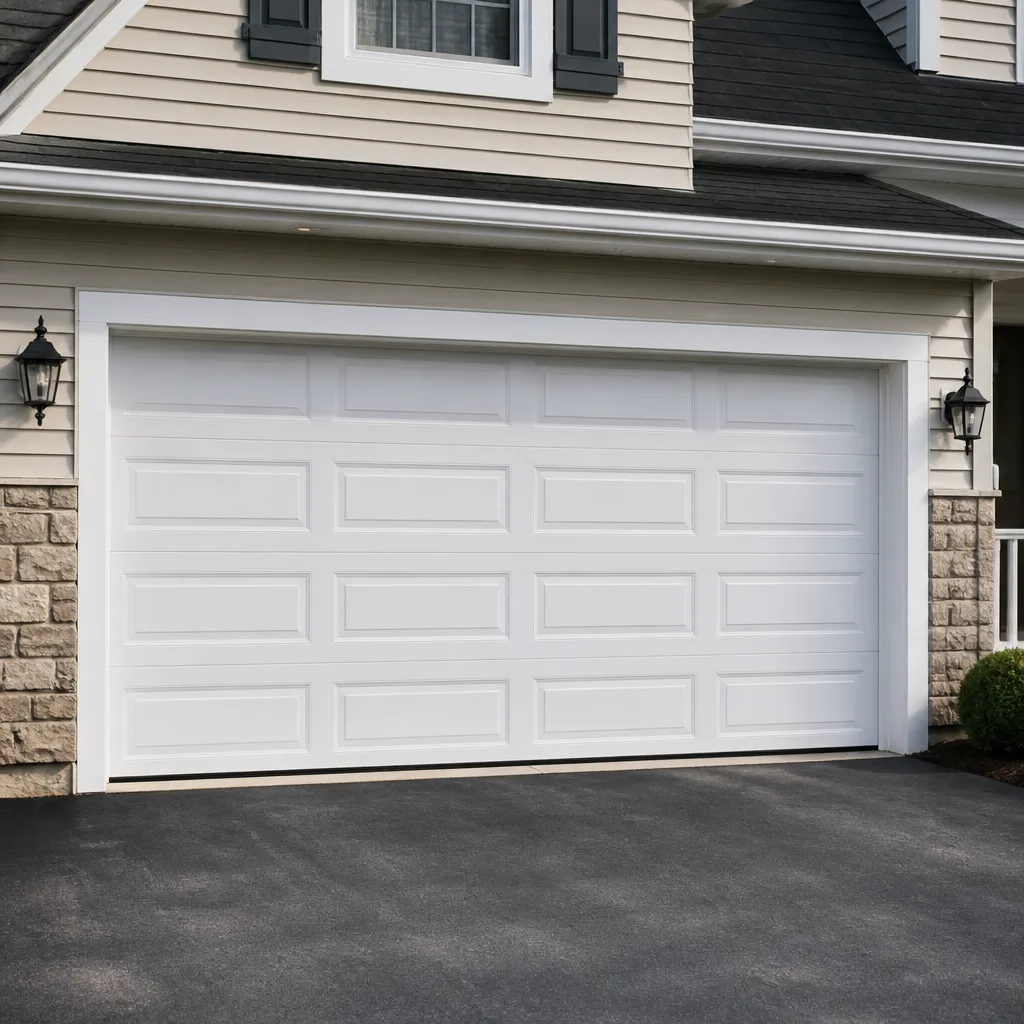 Raised-panel steel
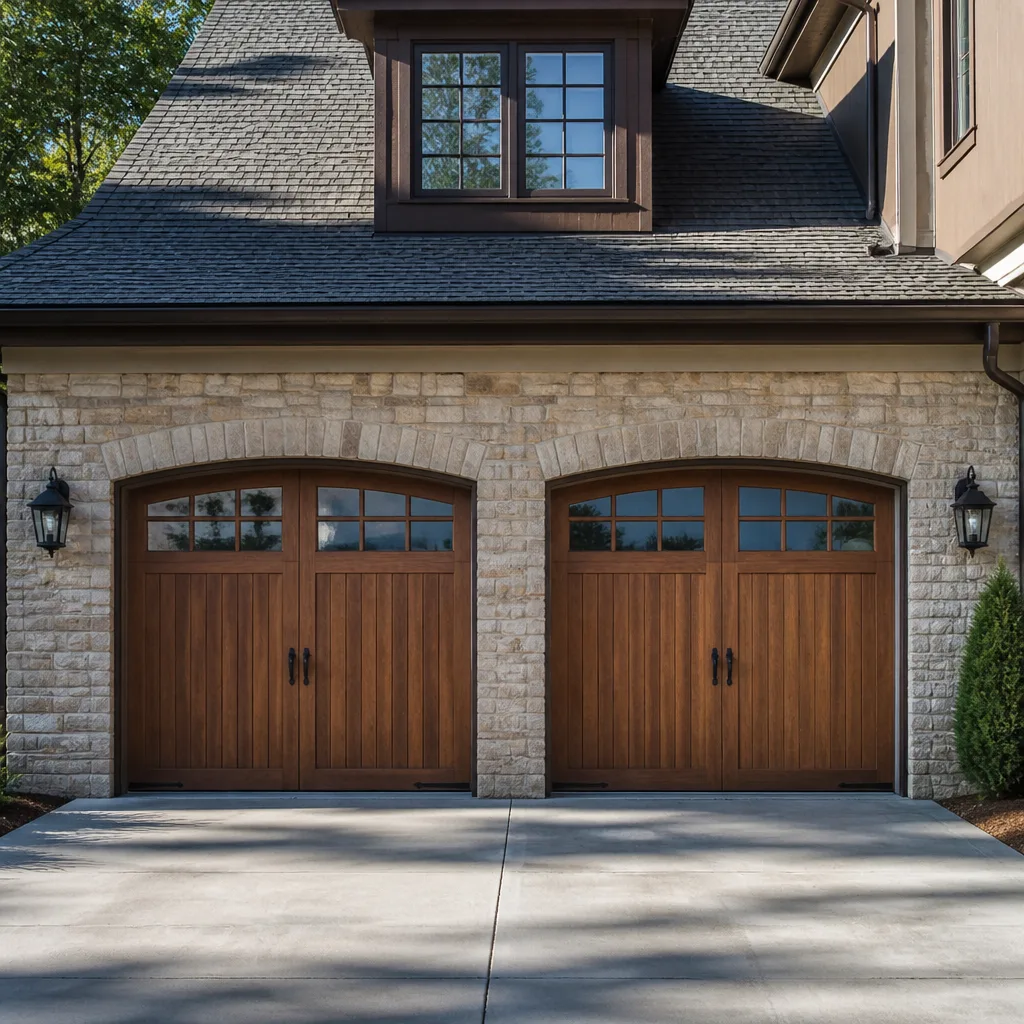 Carriage house
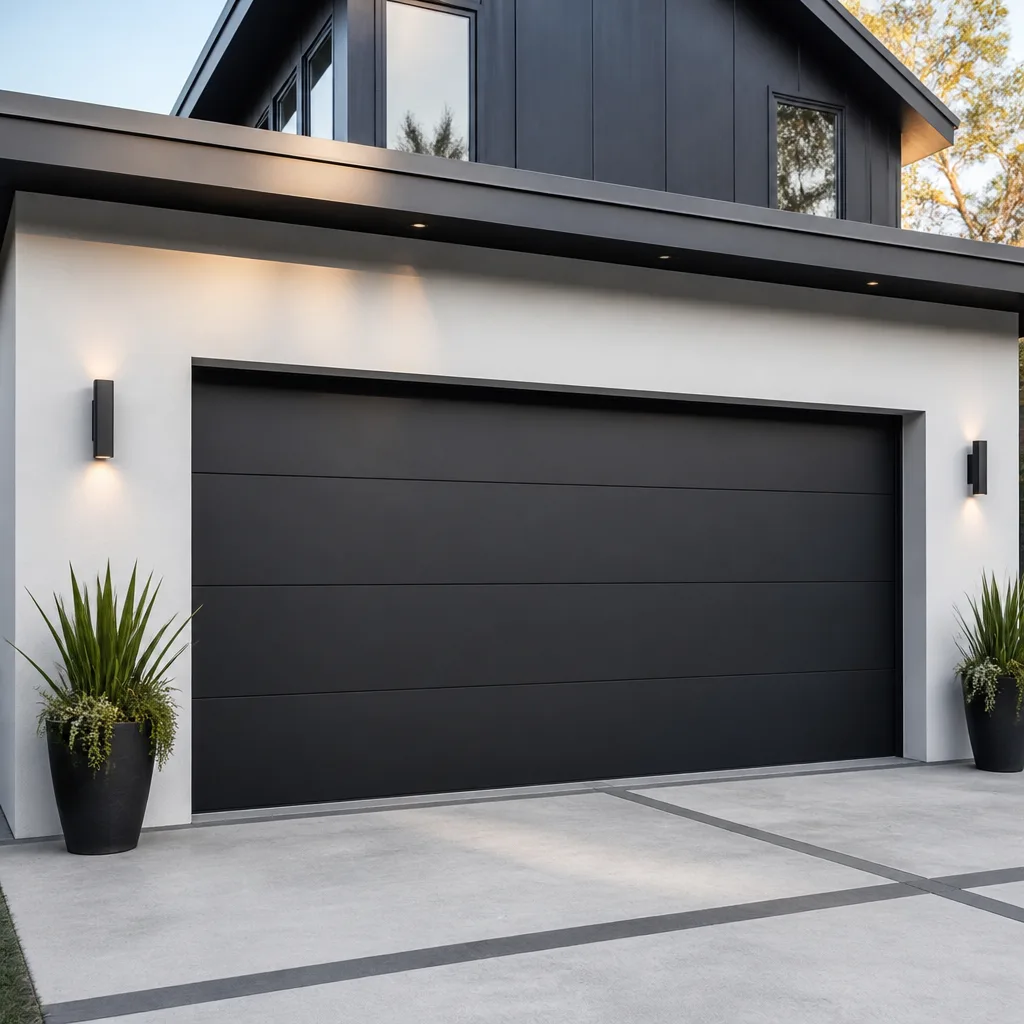 Modern flush
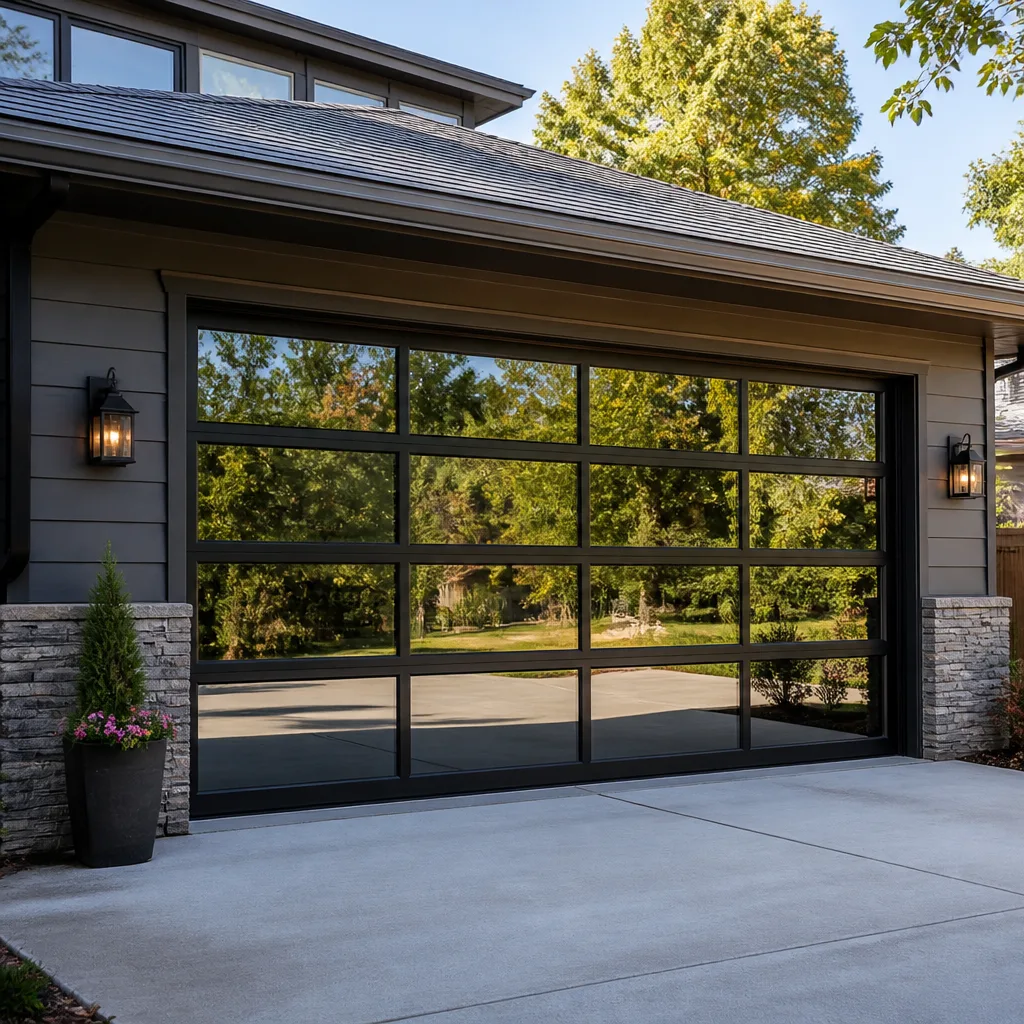 Full-view glass
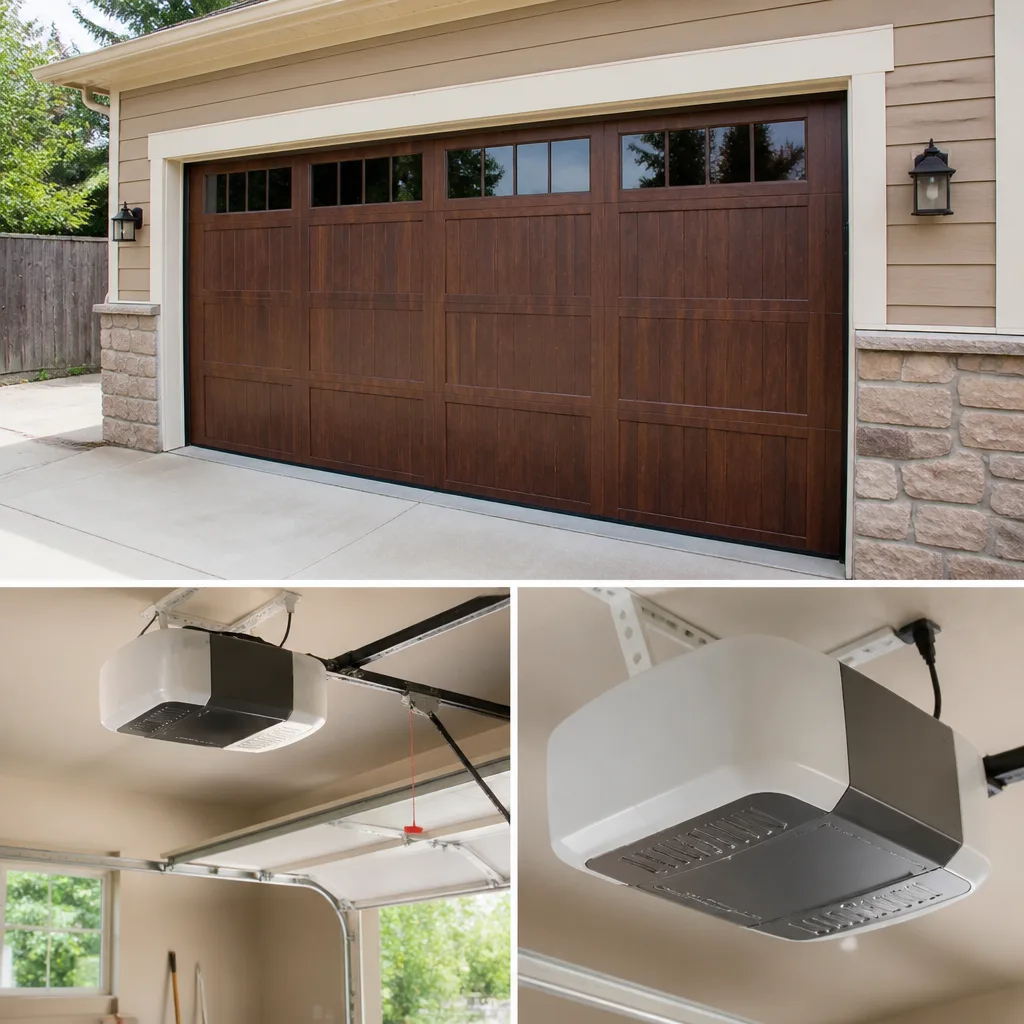 LiftMaster openers
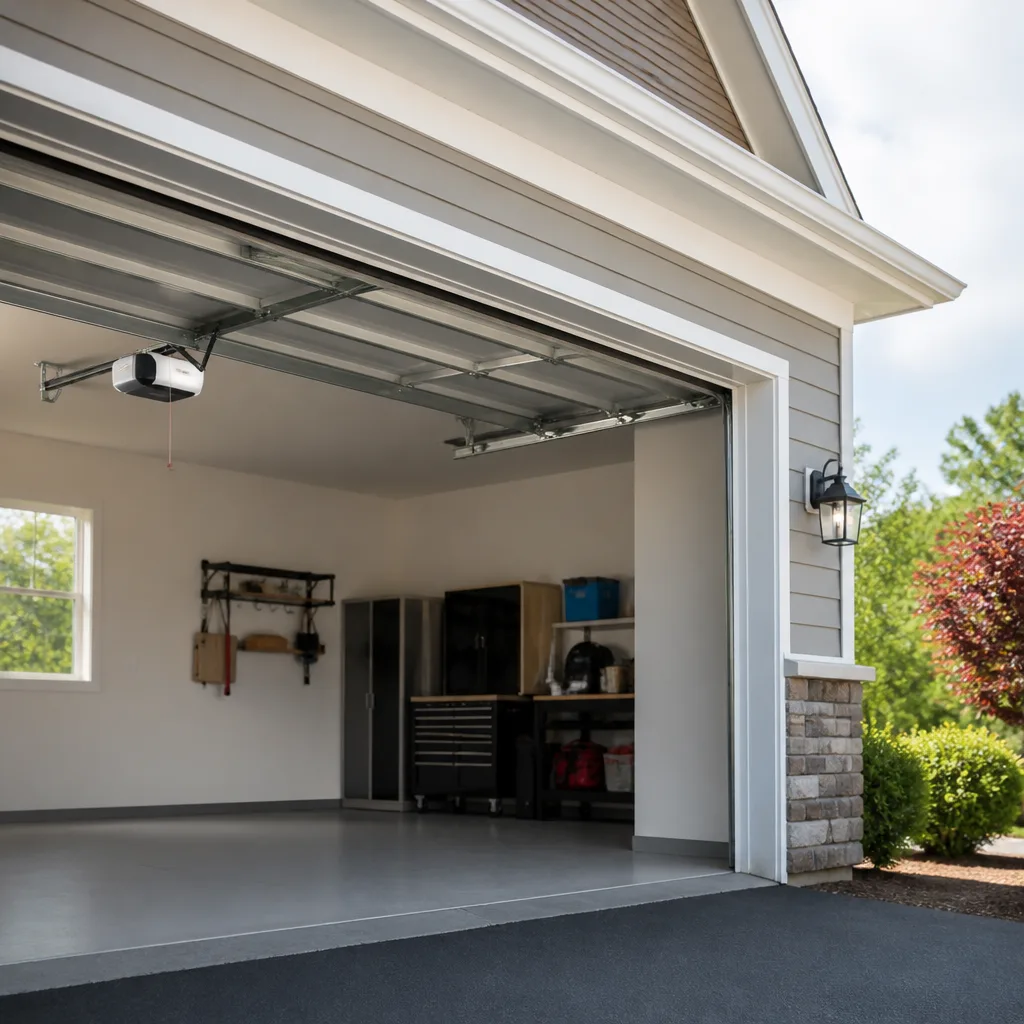 Chamberlain openers
Full 25-point door and opener safety check with every visit - springs, cables, rollers, tracks, and your LiftMaster or Chamberlain opener included
You get a price before we start. It does not change when the pro arrives.
Get your free estimateGarage Door Permits, Codes & Inspections in The Villages, FL: What You Need to Know
Most homeowners in The Villages assume a garage door permit works the same way everywhere in the community. It doesn’t. The Villages stretches across three counties, and the permit window for a door replacement on Morse Boulevard is not the same process as one on the Marion County side. Contractors who work the whole community without knowing that difference can set their customers up for a failed inspection and a correction bill nobody planned for. This guide maps the actual jurisdictional landscape, explains which projects need a permit and which don’t, and shows how the CDD deed restriction process runs alongside the county permit so both move together instead of fighting each other.
Quick Answer
Garage door permits in The Villages depend on which county your village sits in: Sumter, Lake, or Marion. Structural changes, door replacements that alter the opening, and electrical work on a new opener circuit usually require a permit, while like-for-like repairs, spring swaps, and opener replacements on an existing circuit typically do not. On top of the county permit, most villages also require CDD deed restriction approval for any visible exterior change, so the two processes need to run in parallel. Always confirm the specifics with your county’s building department and your village’s CDD before work begins.
Styles & brands we work with
- Raised-panel steel
- Carriage house
- Modern flush
- Full-view glass
- LiftMaster openers
- Chamberlain openers
Table of Contents
- Which County Is Your Village In?
- Which Garage Door Projects Need a Permit in Florida?
- How CDD Deed Restrictions Run Parallel to County Permits
- How to Run Both Approvals Without Delays
- What a Failed Garage Door Inspection Looks Like
- What Correction Costs After the Fact
- Reading Your Permit History on a Recently Purchased Home
- Repair, Replacement, or Installation: Quick Reference
Which County Is Your Village In?
The first thing to establish before you call anyone about a new door is your county jurisdiction. The Villages is not a single municipality in the permitting sense. It’s a large residential community that overlaps county lines, and each county runs its own building department, its own review timeline, and its own inspection checklist. If a contractor quotes you a permit cost without asking your address in The Villages first, that’s a warning sign.
Here’s roughly how the community splits:
- Sumter County covers the original and central villages, including the areas around Lake Sumter Landing and Spanish Springs. The largest share of The Villages sits inside Sumter’s boundaries.
- Lake County covers villages on the southern and eastern edge, including portions of the community near the Lake-Sumter line.
- Marion County covers villages on the northern and western side, including the areas around Spanish Springs that spill north into Marion.
Homeowners routinely tell us they were surprised to learn their neighbor two streets over deals with a different building department. It happens more than you’d think, because the county line runs through residential blocks rather than along obvious roads. Your property appraiser record, your closing documents, and your tax bill all list your county. Start there.
Once you know your county, the rest of the permit questions get much easier to answer. Sumter, Lake, and Marion each publish their own submission requirements and inspection schedules, and each has its own preferred way to submit (online portal, email, or in-person). What doesn’t change is the underlying Florida building code that governs garage door installation, wind-load rating, and safety hardware. The county just administers it.
For homeowners who need the door fixed rather than the door replaced, the county question matters far less. A broken spring or a failed opener is maintenance, not construction. That’s where a call to a specialist moves faster than a permit request. If that’s your situation, our team handles garage door repair across all three counties and can tell you in a phone call whether your job falls on the permit side or the repair side.
Which Garage Door Projects Need a Permit in Florida?
Florida doesn’t require a permit for every garage door interaction. It requires one when the work changes the structure, the opening, or the electrical system in a way that affects safety or code compliance. Everything else is routine repair. Getting this line right is where most homeowners either waste weeks on an unnecessary permit or skip one they actually needed.
Here’s how the line typically falls. Your county building department has the final word, so treat this as a starting map, not the last word.
Projects that usually require a permit
- Replacing a garage door with a different size, model, or weight rating than the original, especially when the opening or header needs modification
- Replacing a door where the new door’s wind-load rating must be verified against the current Florida code
- Adding a new electrical circuit for an opener where none existed, or re-running wiring
- Framing changes to the opening, header, or tracks that alter the structure
- Converting a garage into living space or changing the door to a window or wall
Projects that typically do not require a permit
- Replacing a garage door with the same size and rating as an existing permitted door (confirm this with your county, because some interpret even a like-for-like swap as requiring a permit)
- Replacing a spring, cable, roller, hinge, or sensor
- Replacing an opener on an existing circuit
- Adjusting tracks, balancing the door, or repairing the panel
- Routine lubrication, tuning, and safety-reverse testing
There’s no single dollar threshold under Florida code that flips a repair into a permitted project. It’s about scope, not price. A $200 spring replacement never needs a permit. A $2,000 door replacement might, depending on the county and the rating. The dollar figures here are examples of scope, not permit triggers.
When in doubt, call your county building department directly and describe the scope in one sentence. Ask whether a permit is required for a garage door replacement at your address. Most counties will tell you the answer on the phone, and it takes five minutes. If you want a second opinion on the scope itself before you call, we’re glad to help. Full replacement projects across The Villages get a free measure and a written estimate from us, and that written scope is exactly what the building department wants to see.
How CDD Deed Restrictions Run Parallel to County Permits
This is the part that surprises new residents most. In The Villages, a county permit is only half the approval puzzle. The Community Development District (CDD) and the deed restrictions that govern each village also regulate exterior changes, and those restrictions are separate from county code. You can hold a perfectly valid county permit and still be in violation of your deed restrictions if you install a door style the district doesn’t approve.
Here’s how the two systems differ:
- County permit: administered by Sumter, Lake, or Marion building departments. Governs structural safety, wind-load rating, electrical code, and inspection sign-off. Enforceable by the county.
- CDD deed restriction approval: administered by your village district and the architectural review process that each village uses. Governs appearance, color, style, materials, and visibility from the street. Enforceable through deed restriction enforcement.
The two can conflict in real ways. A county-approved door might have a color or panel style the district restricts. A district-approved door might not have the wind-load rating the county requires for a replacement. Neither process knows about the other by default, which is why homeowners who run them sequentially, county first, then CDD, often discover the conflict after the door is already ordered.
Running them in parallel solves most of it. Submit the door specifications to both processes at the same time. If either comes back with a concern, you’ll know before the door is manufactured instead of after.
The Villages is a distinctive community in exactly this way. Deed restrictions are stricter here than in most Florida subdivisions, and they’re enforced. Choosing a door style without reviewing the restriction language for your specific village is the most common way a replacement project in The Villages gets delayed. Ask your district office for the current garage door section of the deed restrictions before you pick a door, not after.
How to Run Both Approvals Without Delays
The sequencing matters. Handled well, a garage door replacement in The Villages can move from measure to installation in a workable window. Handled poorly, it drags on for weeks past the point the homeowner expected, because one approval sat waiting on the other. Here’s the order that works.
- Confirm your county and your village district. Pull your property record. Note the county. Note your village name so you can pull the right deed restriction document.
- Get a written scope from your installer. Ask for the door model, size, wind-load rating, color, and panel style in writing. This single document feeds both the county permit and the CDD approval, and it prevents either office from asking you the same questions twice.
- Pull the deed restriction language. Read the garage door section before you sign anything. Note approved colors, approved panel styles, and any visibility rules.
- Submit to the CDD/architectural review. This is typically the slower of the two approvals, so start it first. Include the door specs and a photo of the current door.
- Submit the county permit application simultaneously. Include the same door specs. If your county requires a licensed contractor to pull the permit, your installer handles this step.
- Track both approvals in parallel. Don’t let one sit waiting on the other. If the county comes back with a question about wind rating, answer it without pausing the CDD review, and vice versa.
- Install only after both approvals are in hand. A door installed under a county permit but without CDD approval can be ordered removed even if the county signs off.
- Schedule the county inspection. Most counties require inspection before the permit closes. Get it on the calendar the day the door is installed.
The reason this sequence matters more in The Villages than in most Florida communities is the size and structure of the deed restriction system. Each village district manages its own restriction language and enforcement, and the process is active. Homeowners who skip the CDD step sometimes assume the county permit covered everything. It didn’t.
If you’re replacing a door because it failed, not because you wanted a new style, tell your contractor that up front. A door that fails because of a broken spring or a snapped cable usually falls on the repair side, not the replacement side, and the process is faster. Our garage door spring repair technicians handle those calls in The Villages directly, and they’ll tell you honestly whether your job is a repair or a replacement before anything gets ordered.
What a Failed Garage Door Inspection Looks Like
A failed garage door inspection is rarely about the door itself. It’s almost always about the paperwork, the rating, or a safety component the inspector can’t verify on site. When a county inspector walks up to a newly installed garage door in The Villages, they’re checking a specific set of things against the permit and the Florida code. Knowing what they look for is the fastest way to pass on the first visit.
Common triggers we’ve seen trip up inspections:
- Wind-load rating not documented. The door may be the right door, but if the manufacturer’s rating sheet isn’t on site or attached to the permit, the inspector can’t verify it. Have the paperwork in hand.
- Safety reverse not functioning. The opener’s auto-reverse must engage when the door meets an obstruction. If it doesn’t, that’s a fail regardless of door quality.
- Photo-eye sensors mounted too high or misaligned. They need to be within the required distance from the floor and aimed at each other. Six inches is the usual standard, but confirm with your county.
- Door and opener not matched. An opener rated for a lighter door installed on a heavier replacement door will fail. The door weight and the opener capacity need to line up.
- Label missing or unreadable. Garage doors carry a manufacturer’s label with the model and rating. If it’s obscured, the inspector has nothing to verify against.
- Missing permit card or approval. If the CDD approval isn’t filed or the permit card isn’t visible, the inspector may not sign off even if the door itself is correct.
- Tracks or hardware not to spec. If the installer reused old tracks on a new, heavier door, the deflection can show up on inspection.
What the inspection looks like in practice: the inspector verifies the door against the permit specs, tests the safety reverse, checks the sensor alignment, and looks at the label and the documentation. That’s five or ten minutes if everything is right and forty-five minutes of back-and-forth if any single piece is missing.
The single most effective way to avoid a failed inspection is to have your installer walk the door against the permit before the inspector arrives. If your installer can’t tell you what the inspector will check, that’s a signal to ask more questions before the install, not after.
What Correction Costs After the Fact
Correcting a failed inspection costs more than getting it right the first time, and the size of the gap depends entirely on what failed. We can’t give you exact dollar figures without seeing the door and the inspection report, but we can break down what drives the cost so you know what to expect when a correction is needed.
The correction falls into these buckets:
- Re-inspection fee. Most counties charge a fee to return for a second inspection. This is a flat administrative cost from the county, not from your installer.
- Documentation fixes. If the failure is missing wind-load paperwork or a missing label, the correction may be the manufacturer’s documentation, which usually costs nothing beyond the time to obtain it.
- Hardware replacement. Sensors, safety reverse mechanisms, or hardware that failed needs to be replaced. These are usually modest parts costs plus labor.
- Replacement of the wrong door. This is the expensive one. If the door was installed without the correct wind-load rating, the door has to come off and a compliant one goes on. The homeowner bears the cost of the first door plus the second door plus removal and re-install.
- Deed restriction corrections. If the CDD rejects the door after installation, the homeowner may be required to remove and replace it with an approved style. That’s on top of any county correction.
The two failure modes that hurt the most are ones that could have been avoided with a five-minute check before ordering: wind-load mismatch and deed restriction mismatch. Both are paperwork at the front end and expensive at the back end.
The good news is that the correction almost never happens when the installer requests the permit correctly and submits the door specs in writing. Whether the door is a Clopay or an Amarr, whether it’s a Genie or Chamberlain opener system, the specs document is what the inspector checks against. When the door and the paperwork match, the inspection passes.
Reading Your Permit History on a Recently Purchased Home
Buyers in The Villages inherit whatever permit history the prior owner left behind, and sometimes the garage door on the house was installed without one. Checking the permit history before you close, or right after, is one of the more useful habits we recommend to new residents. It’s straightforward and mostly free.
Here’s the process:
- Find your county. Pull your property record from the Sumter, Lake, or Marion property appraiser site. The record confirms which county’s building department holds your permit history.
- Search the county permit portal. Each of the three counties maintains an online permit search by address. Most let you search by address or by parcel ID and see all open and closed permits.
- Look specifically for garage door permits. Scan for any permit with a scope description that mentions garage door, door replacement, or opener. A garage door replacement done legally will show a closed permit with an inspection date.
- Check for open permits. An open permit on the record is a flag. It means work was started and never inspected or closed. That can become your problem after closing.
- Cross-check the CDD approval. Some village districts keep their own record of architectural approvals. Ask your district office whether a garage door approval is on file for your address.
- Confirm the door matches the permit. If a permit exists, the door on the house should match the model and rating described on the permit. A mismatch means the door was swapped outside the permitted scope.
If you find an open permit or no permit at all for a garage door that clearly isn’t original, don’t panic. It’s fixable. In most cases, the path forward is a retroactive permit or an as-built inspection to document the door’s compliance. That’s a conversation with your county building department, and it’s worth having before you close if you can.
If the door on the house turns out to be at the end of its life, our garage door opener repair technicians can also assess whether the door itself needs replacing, and we’ll give you a written scope you can bring to the permit process. That’s often the cleanest way to convert a messy prior installation into a properly documented one.
Repair, Replacement, or Installation: Quick Reference
For a fast decision, here’s how common garage door jobs in The Villages line up on the permit question. Confirm specific requirements with your county building department.
- Broken spring or snapped cable: no permit, repair-only. Call a specialist. This is one of the more dangerous DIY jobs in the house, and it should never be attempted without training and the right tools.
- Opener won’t reverse or stopped working: no permit if replacing on the existing circuit. Permit likely required if adding a new circuit.
- Single panel replacement, same model: usually no permit, but confirm with the county.
- Whole-door replacement, same size and rating: county-dependent. Some require a permit, some don’t. Deed restriction approval usually required.
- Whole-door replacement, different size or rating: permit required. Deed restriction approval required.
- Adding an opener to a door that had none: permit likely required for the electrical work. Confirm with the county.
- Converting the garage to living space: permit required, major scope.
One safety note for any job that involves working on the door itself: the torsion spring system at the top of the door stores tremendous energy, and a mistake can cause serious injury. We recommend against DIY spring, cable, and track work. That’s a job for a trained technician with the right winding bars and the right experience. We handle spring work as one of our core services for exactly that reason.
The general rule: if the work touches the structure, size, rating, or electrical system, assume a permit until your county says otherwise. If the work is maintenance, assume no permit until your county says otherwise. Confirm by phone in five minutes and stop guessing.
Common Mistakes to Avoid
- Assuming The Villages is a single jurisdiction. It isn’t. Your village could be in Sumter, Lake, or Marion, and the permit process differs between them. Confirm your county before you commit to anything.
- Skipping the CDD deed restriction approval. A county permit does not cover deed restrictions. Installing a door that violates your village’s restriction language, even with a county permit, can result in an order to remove and replace.
- Running the two approvals sequentially instead of in parallel. Waiting for the CDD before you submit to the county (or the reverse) stretches the project timeline unnecessarily. Submit them together with the same door specs.
- Ordering the door before the wind-load rating is confirmed. A door without the rating the county requires has to come off and a new one reinstalled. That’s the most expensive mistake in this guide.
- Not checking prior permit history on a recently purchased home. Open permits and unpermitted prior door work become your problem at closing. Check the county portal before you sign.
- Assuming “the same size” means “no permit.” Some counties require a permit even for a like-for-like replacement. Call and ask. Five minutes on the phone beats weeks of correction.
- Trying to do spring or cable work yourself. These are the components most likely to cause serious injury in any garage door system. The cost of a technician is far less than the cost of an emergency room visit.
See the difference
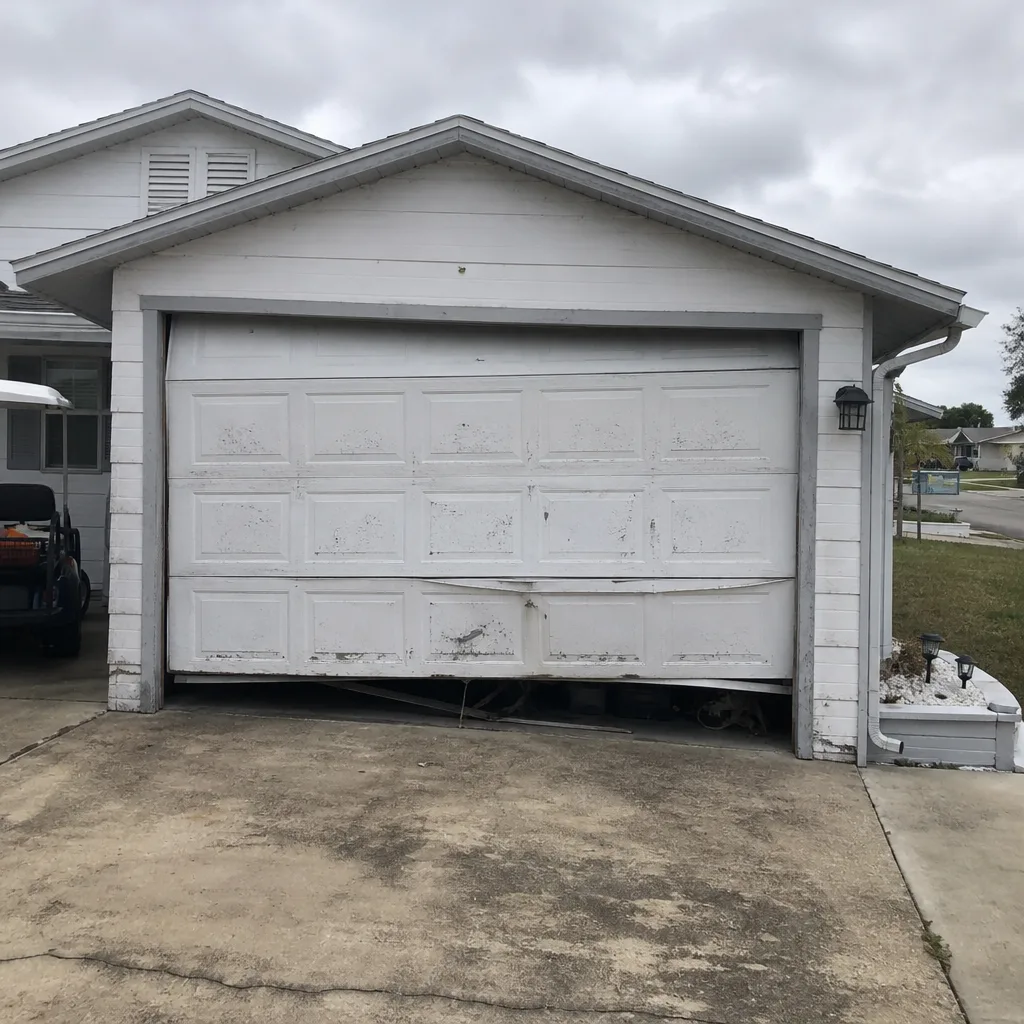 Before
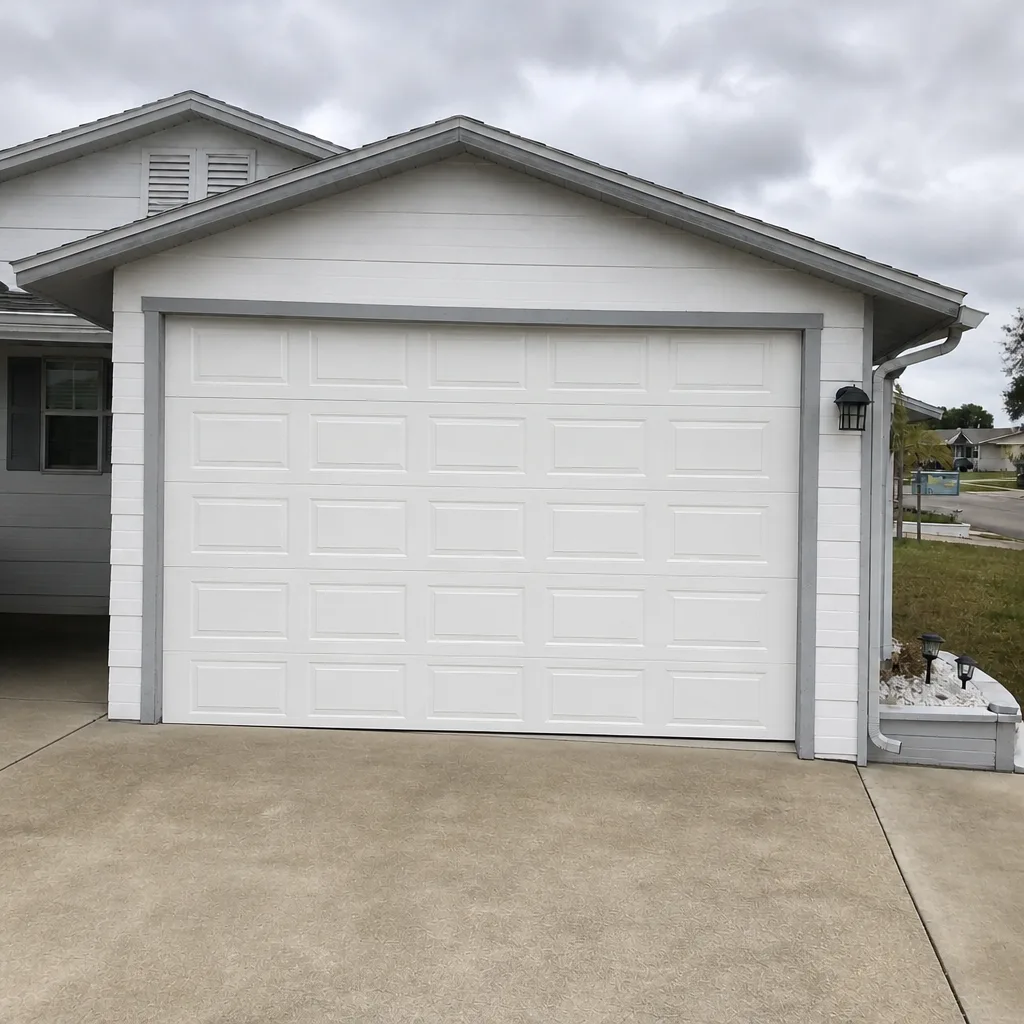 After
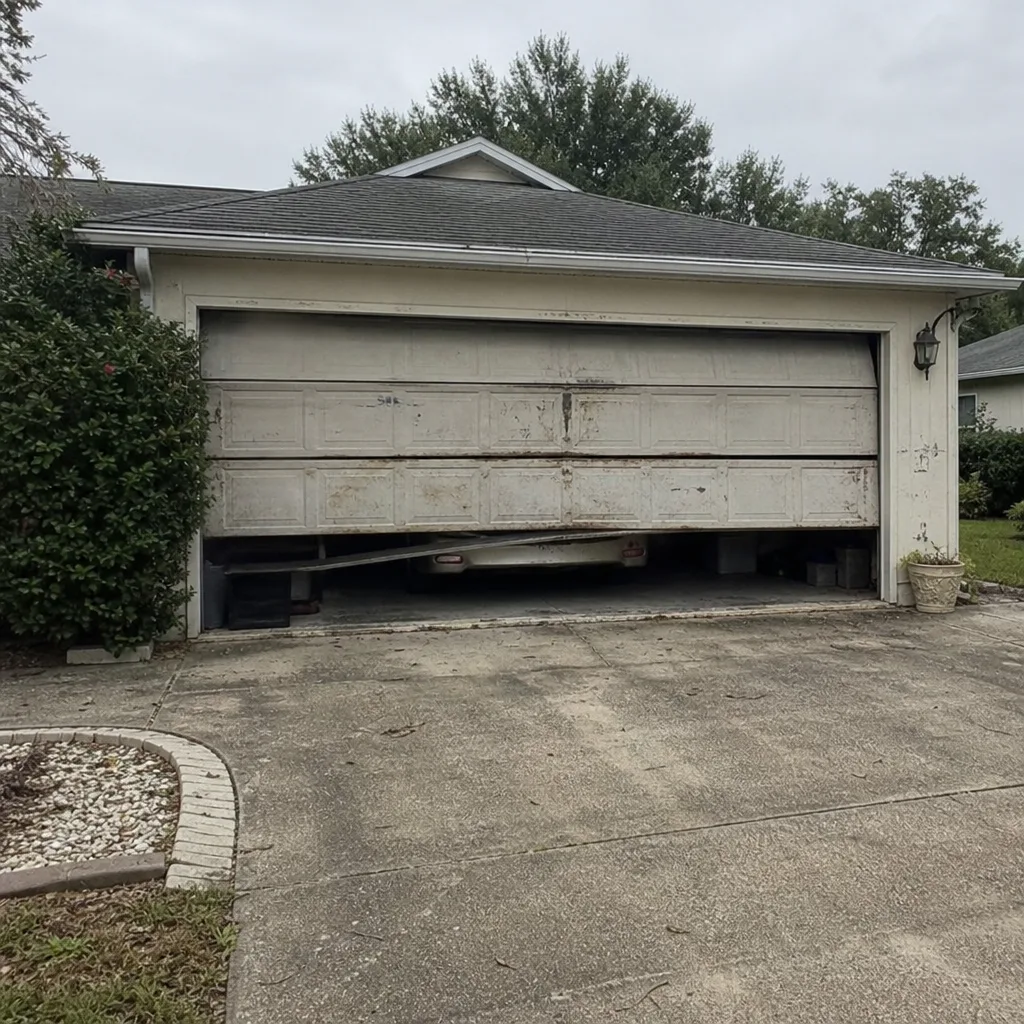 Before
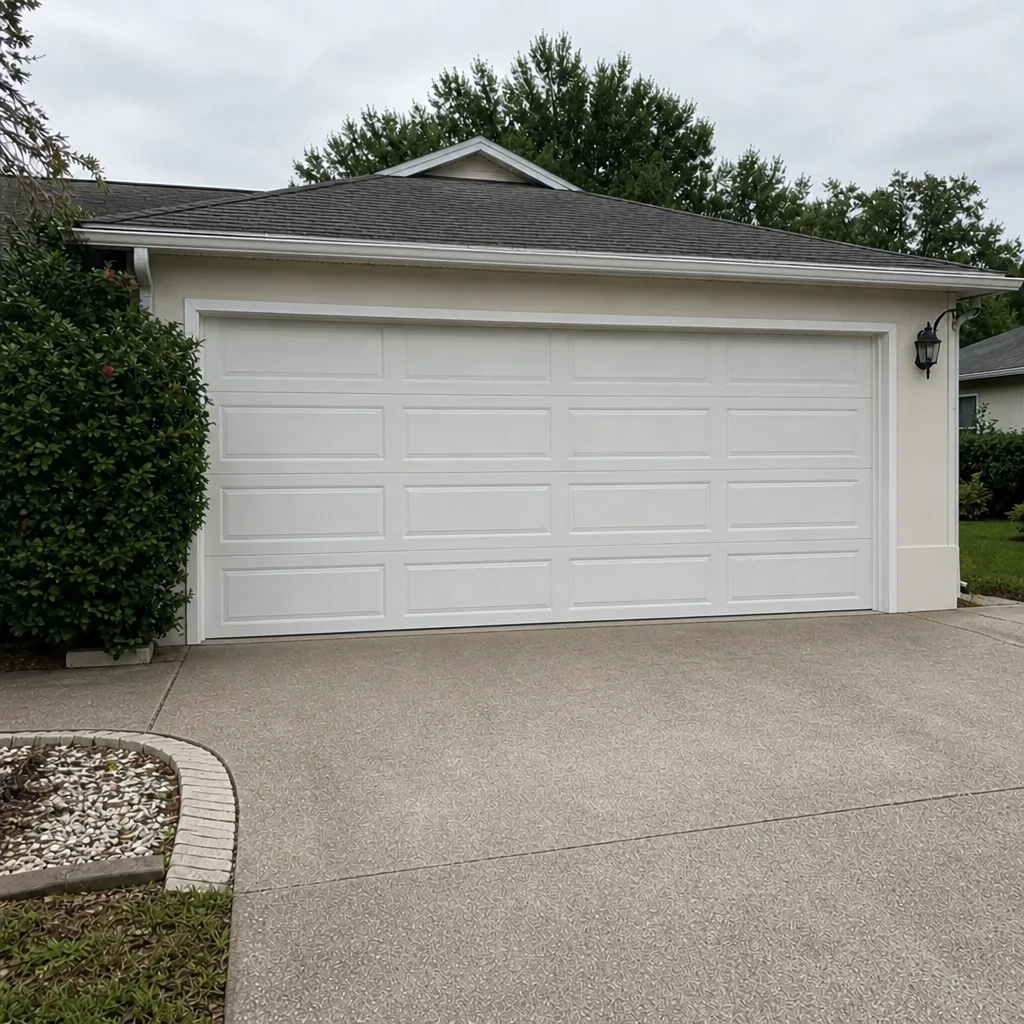 After
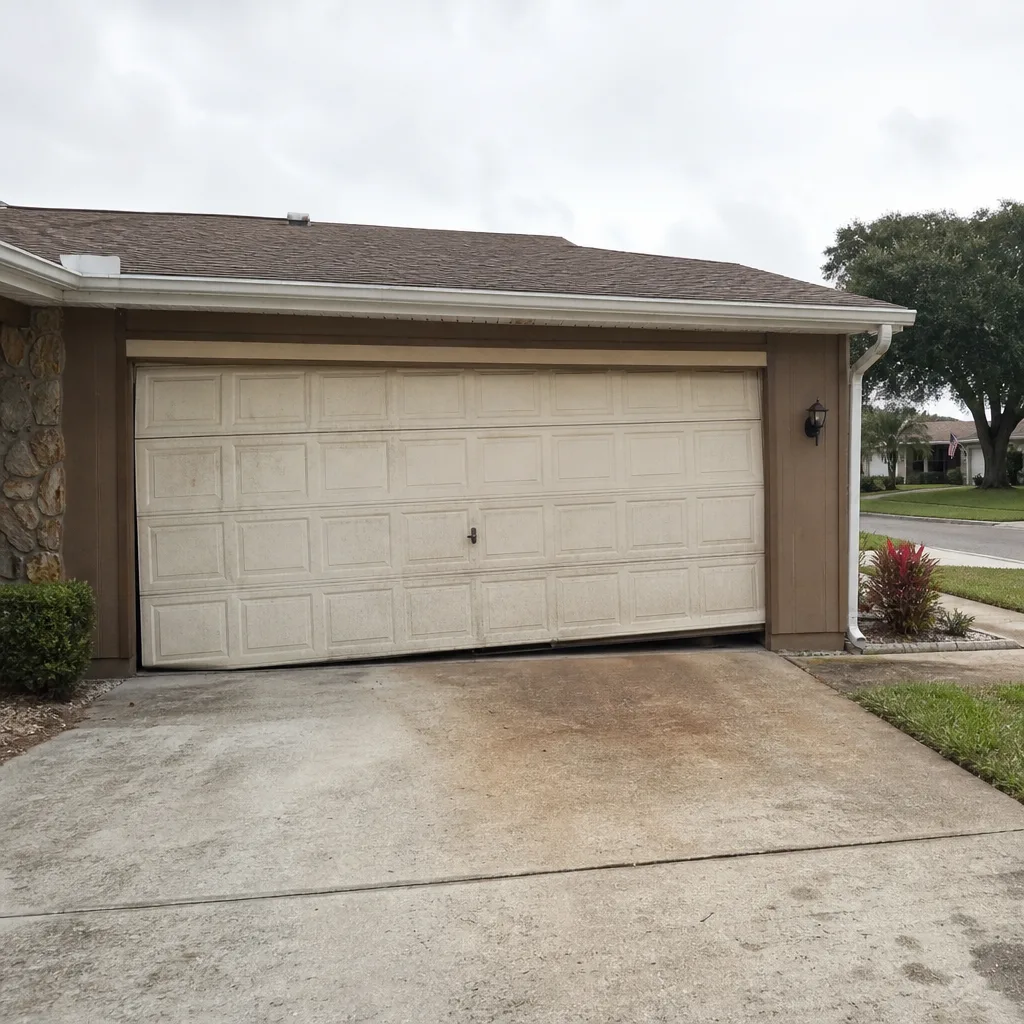 Before
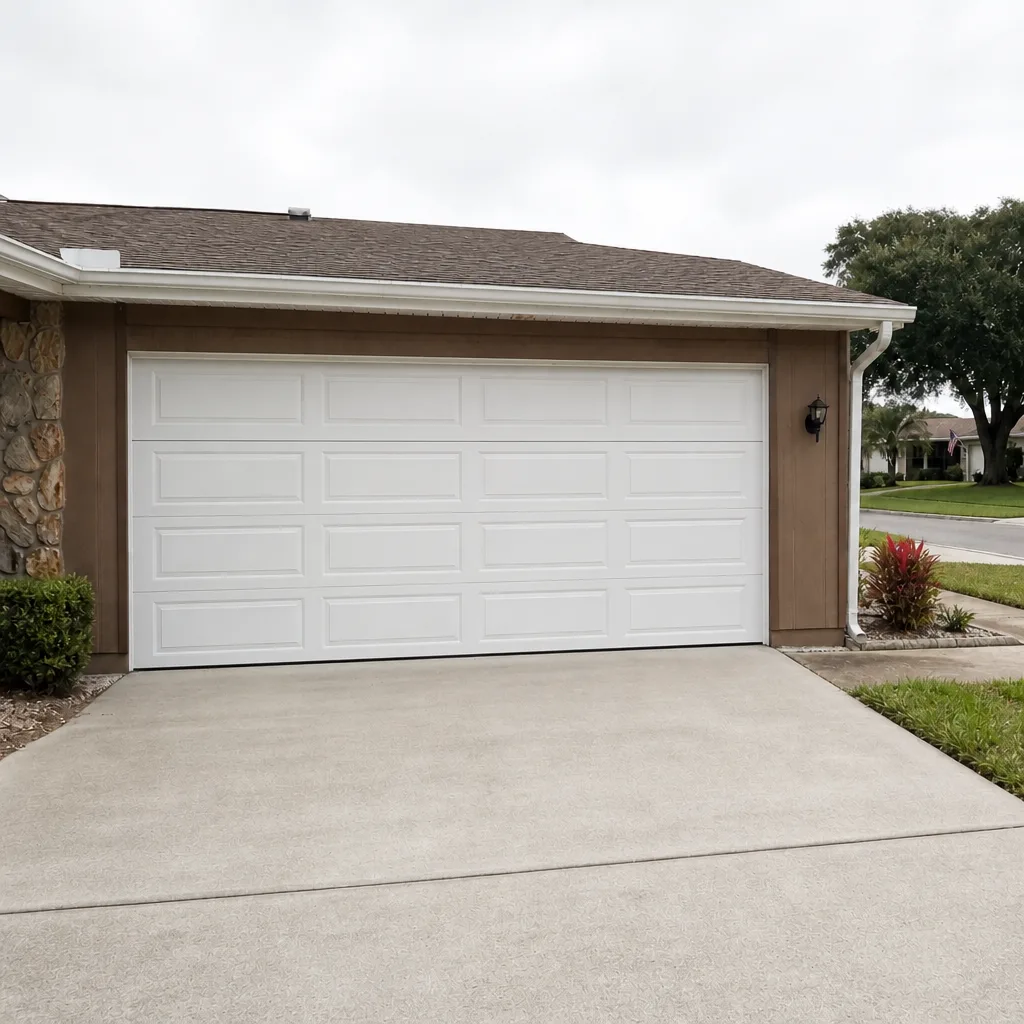 After
When to Call a Professional
Call a garage door specialist when the work involves a broken spring, a snapped cable, a door that’s come off its tracks, or a failed opener that you can’t diagnose safely from the outside. Call us before you order a replacement door, so we can give you a written scope that covers both the county permit and the CDD review. Call us if you’ve bought a home in The Villages and the permit history on the garage door is unclear, we can assess the door and tell you whether it’s documented or not. And call us if an inspection failure has left you with a correction you need done right. Our technicians have up to 13 years of experience and cover every major brand, including Chamberlain and Genie openers and Clopay and Amarr doors, on projects across The Villages. The Villages Garage Door Repair Pros offers free estimates in The Villages. Call (844) 628-1795. We answer 24/7. Fast dispatch from 7am to 7pm, Sunday through Friday.
Frequently Asked Questions
It depends on your county and the scope of the replacement. A like-for-like swap sometimes needs a permit and sometimes doesn’t, so call your county building department, which is Sumter, Lake, or Marion depending on your village, and describe the scope in one sentence. A door that changes size, weight, or wind-load rating almost always requires a permit. In nearly every case, replacement also requires CDD deed restriction approval, which is a separate process from the county permit. Call (844) 628-1795 if you want a written scope before you make that call.
Your county determines it, and The Villages spans Sumter, Lake, and Marion. Pull your property record from the county property appraiser site; it will show which county’s building department holds your permit history. Central and original villages are largely Sumter, southern and eastern villages are largely Lake, and northern villages are largely Marion, but the county line runs through residential blocks, so your neighbor’s county isn’t necessarily yours. Confirm before you submit anything.
Yes, in most villages. The CDD deed restrictions govern appearance, color, panel style, and street visibility, and they’re enforced by your village district, not the county. A county-approved door can still violate your deed restrictions, which is why both approvals need to run in parallel. Ask your district office for the current garage door section of the restrictions before you pick a door, and submit the CDD review at the same time as the county permit so neither sits waiting on the other.
The door has to be corrected to match the permit and Florida code before the permit closes. Common failures are missing wind-load documentation, safety reverse not engaging, misaligned photo-eye sensors, or a door and opener that don’t match. The county charges a re-inspection fee to return. If the door itself is the wrong rating or the wrong style, correction can mean removing and replacing the door, which is the expensive path. Getting the specs and paperwork right before install avoids every one of those outcomes.
No. Spring replacement is routine repair, not construction, and it doesn’t need a county permit or CDD approval. It does need a trained technician, because the torsion system stores dangerous energy and DIY spring work causes serious injuries. We handle spring repair as a core service across The Villages and can typically schedule the same day. Call (844) 628-1795 for a free estimate and we’ll confirm whether your job is a repair or something that needs a permit.
Search your county’s online permit portal by address or parcel ID. Sumter, Lake, and Marion each maintain one, and garage door replacement permits show up with a scope description and an inspection date if the permit was properly closed. An open permit on the record is a flag worth resolving before you close or soon after. Also ask your village district whether a CDD approval is on file for the address. If the door is undocumented, we can assess it and give you a written scope to take to the county.
The Bottom Line
Garage door permits in The Villages are a two-approval process, and the county question comes first. Find out whether your village sits in Sumter, Lake, or Marion. Then determine whether your scope is a repair or a replacement. Repairs don’t need permits. Replacements often do, and every visible exterior change should go through the CDD deed restriction review at the same time, not after. Get the door specs in writing from your installer before you submit anything, because that document feeds both approvals and is what the inspector verifies against. If you bought a home with unclear permit history, check the county portal now rather than later. Done in the right order, the process is manageable. Done in the wrong order, correction gets expensive fast. When you need a specialist who knows the process, our team is here. Call (844) 628-1795 for a free estimate in The Villages. We answer 24/7. Fast dispatch from 7am to 7pm, Sunday through Friday.
Written by the team at The Villages Garage Door Repair Pros.