
Last updated November 21, 2026
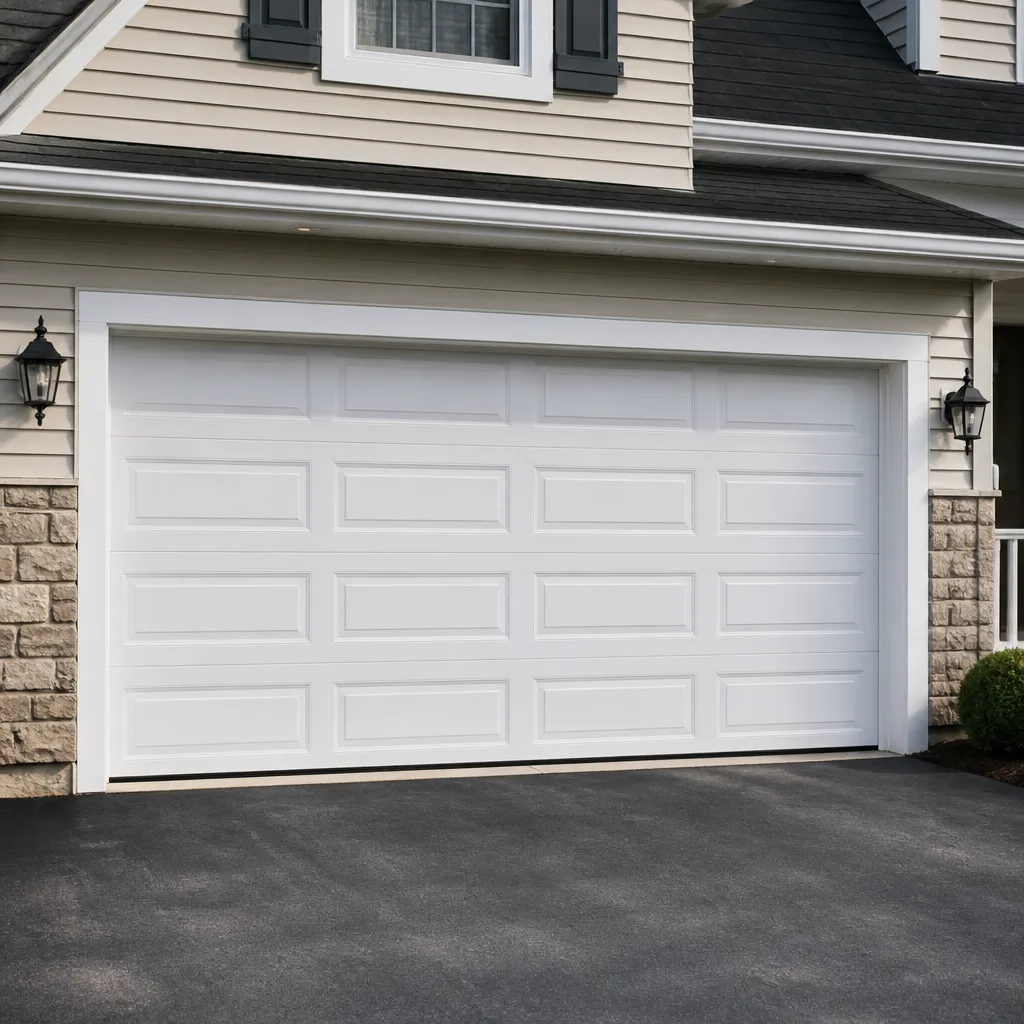 Raised-panel steel
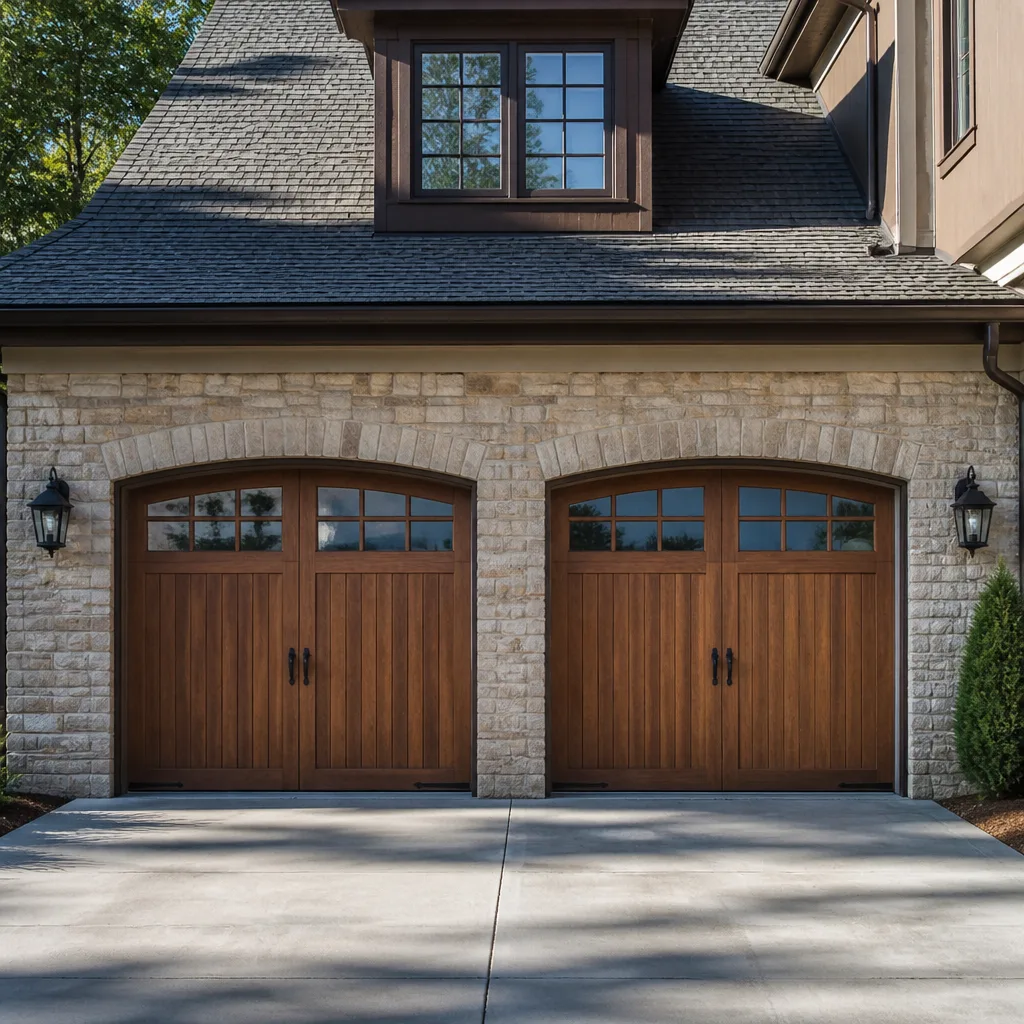 Carriage house
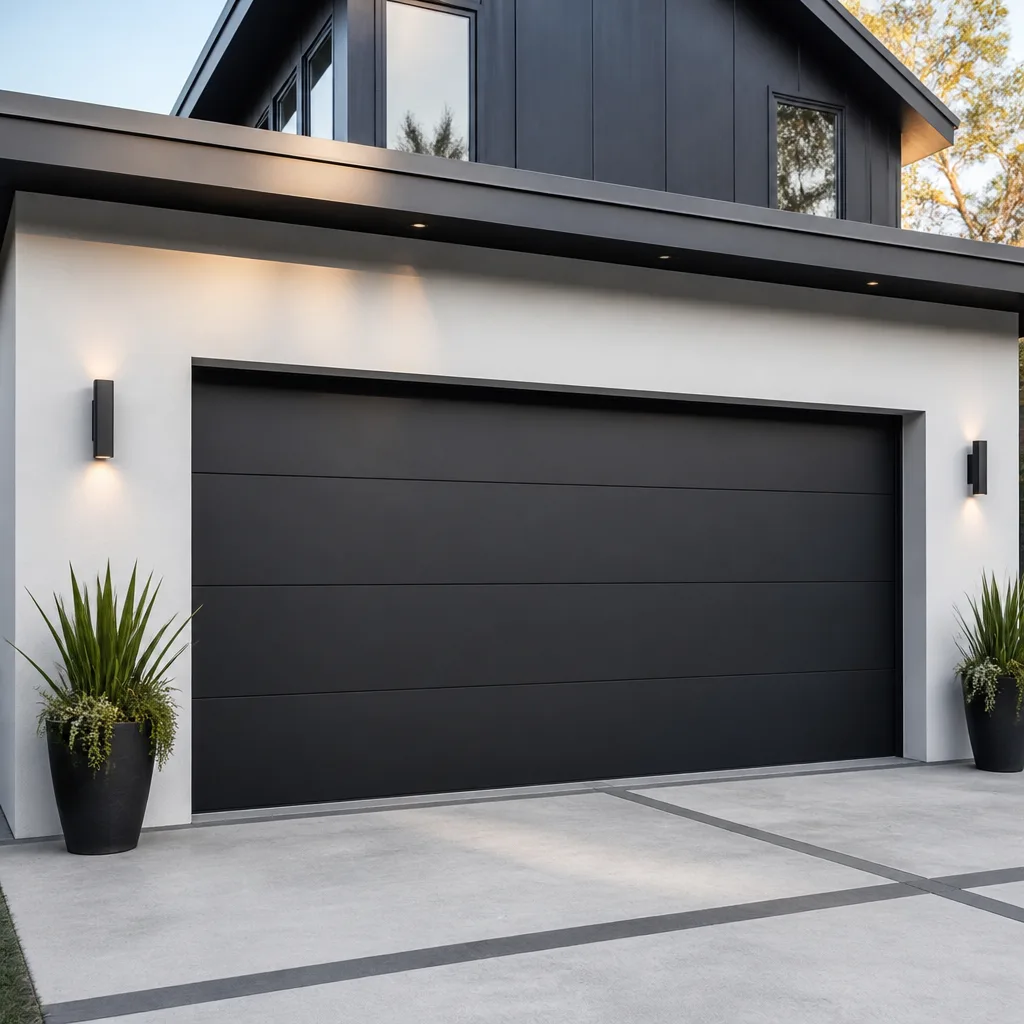 Modern flush
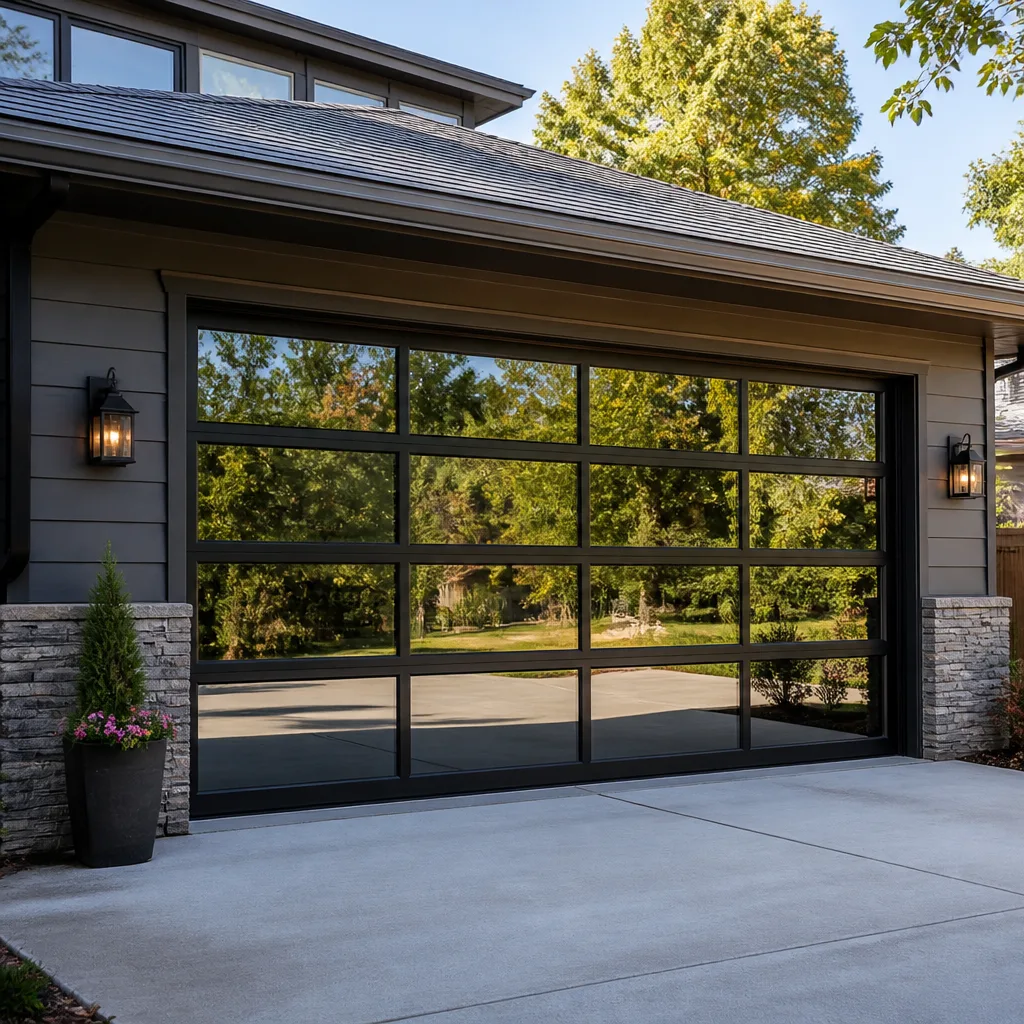 Full-view glass
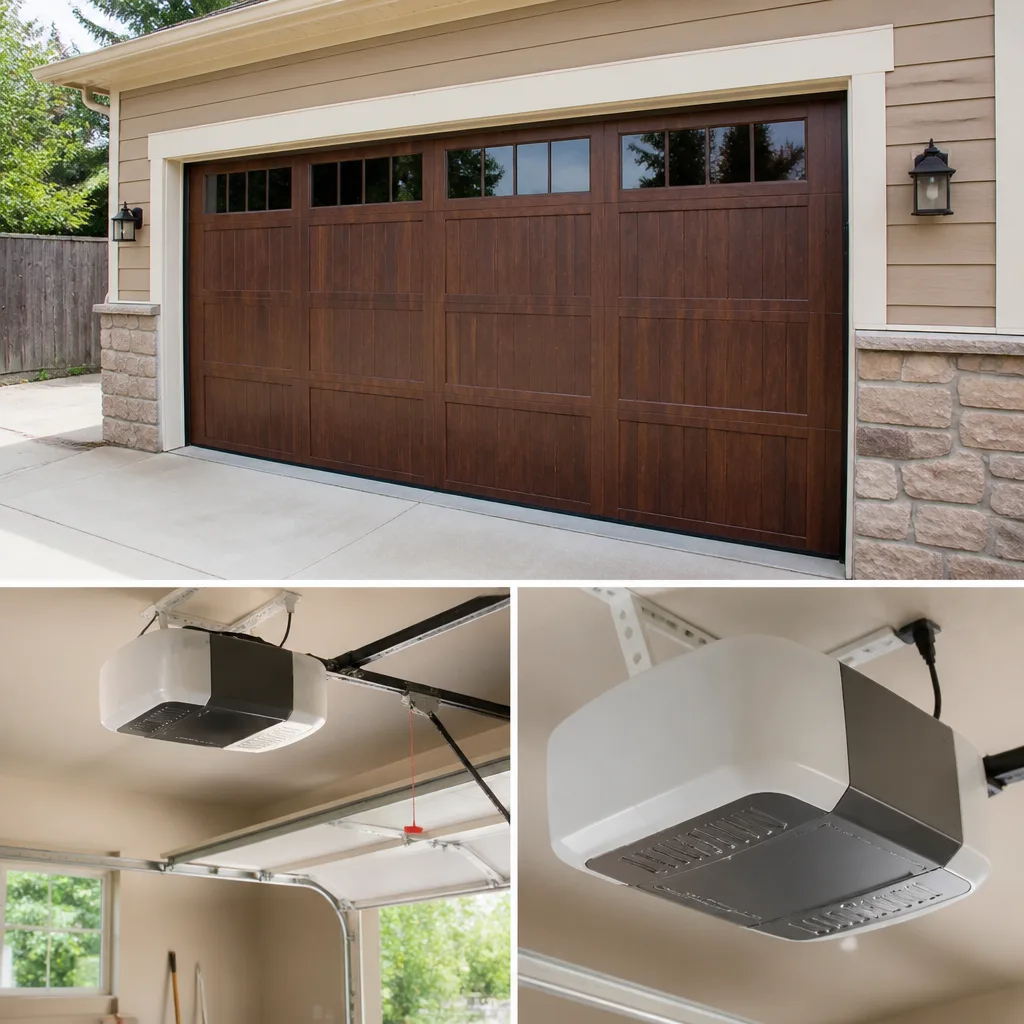 LiftMaster openers
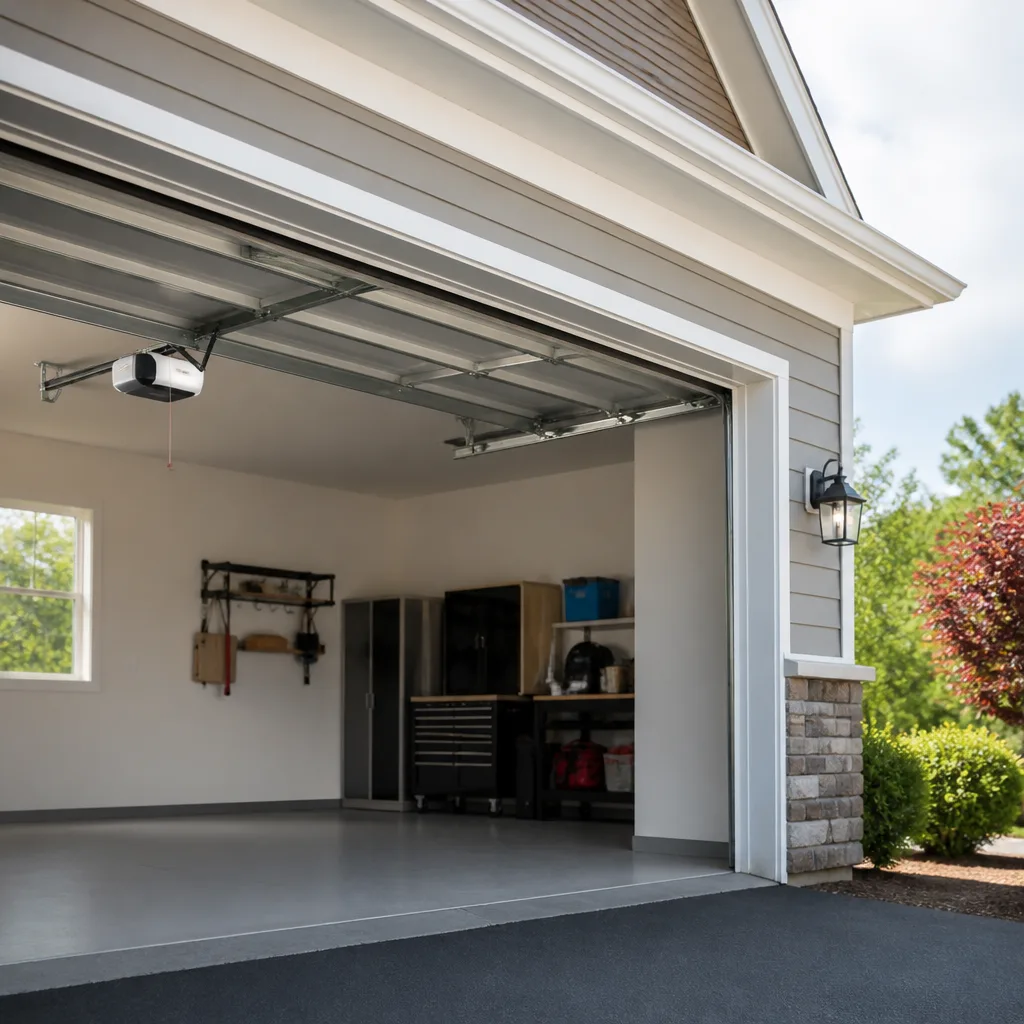 Chamberlain openers
Full 25-point door and opener safety check with every visit - springs, cables, rollers, tracks, and your LiftMaster or Chamberlain opener included
You get a price before we start. It does not change when the pro arrives.
Get your free estimateGarage Door Warning Signs: A The Villages Homeowner’s Reference Guide
A garage door that’s “a little slow” and one that’s “making a new noise” are often the same problem at different stages. Most garage door failures don’t arrive without warning. They escalate through a predictable sequence of symptoms, and homeowners tend to dismiss the early ones as minor annoyances until a spring snaps or a cable lets go. In The Villages, where the attached garage is the door you actually use most, those small symptoms deserve a second look. This guide maps specific sounds and visible clues to their likely mechanical causes, separates the ones that need same-week attention from the ones that need a call today, and gives you a checklist you can run from the driveway without touching a thing.
Quick Answer
Warning signs that a garage door needs professional attention in The Villages include grinding or popping noises, a door that reverses before closing, visible cable slack, uneven gaps along the bottom or sides, and a door that works fine by hand but hesitates on the opener. Any of these can point to a spring, cable, track, or opener problem, and the faster it’s diagnosed, the less likely a small repair turns into a larger one.
Styles & brands we work with
- Raised-panel steel
- Carriage house
- Modern flush
- Full-view glass
- LiftMaster openers
- Chamberlain openers
Table of Contents
- The Symptom-to-Cause Matrix
- The Driveway Checklist: What to Look For Without Touching Anything
- Why a Door That Works by Hand but Struggles on the Opener Is a Balance Problem
- Weather Seal vs. Track Alignment: Cosmetic or Urgent?
- Warning Signs Specific to Older Openers in The Villages
- Same-Day vs. Same-Week: How to Triage What You’re Hearing
- What You Can Safely Check Yourself, and Where DIY Stops
The Symptom-to-Cause Matrix
Vague answers like “it could be a lot of things” don’t help anyone. In our experience, the noise a door makes usually narrows the problem down to a handful of candidates before anyone even lifts a wrench. Here’s how the most common sounds map to their most likely mechanical source.
- Grinding, like metal dragging on metal: usually a roller that’s seized or a hinge that’s worn out. Rollers that stop spinning drag along the track instead, and the sound gets worse over time. A dry or failing bearing in the opener’s motor can produce a similar grind from the ceiling.
- A loud pop or bang, often followed by a door that won’t lift: the classic sign of a broken torsion spring or an extension spring that has snapped. Stop using the door and call for garage door spring repair before the opener burns itself out trying to lift a door it can no longer lift.
- Scraping along the floor or frame: the door is dragging. This points to a track that’s out of alignment, a bent panel, or a hinge that’s pulled loose. Sometimes it’s the bottom seal catching on a threshold that’s shifted.
- A rattle or shudder on the way up: loose hardware, worn nylon rollers, or a torsion spring that has lost some of its tension. Not urgent on its own, but worth having checked before it turns into something louder.
- A clicking near the ceiling before the door moves: often a failing logic board or a gear inside the opener. If it clicks and then nothing happens, the opener is the place to look.
- A high-pitched squeal or whine: usually a dry torsion tube or a bearing that needs lubrication, or a motor that’s working harder than it should because the door is out of balance.
Knowing the difference between a worn roller and a snapped spring matters because one is a same-week repair and the other is a same-day call. That distinction is the heart of this guide, and it’s why we start with sounds before anything else.
The Driveway Checklist: What to Look For Without Touching Anything
You can learn a lot standing in your driveway with your coffee, and you never have to touch moving parts, springs, or cables to do it. This is a walk-around check, not a repair procedure. Run it once a month in The Villages, especially after a stretch of hot, humid weather that can make hardware loosen and seals swell.
- Look at the gap along the bottom. With the door closed, is there an even line of contact across the whole width? A gap on one side and none on the other means the door isn’t sitting level, which is a balance or track issue rather than a seal issue.
- Check the panel alignment. Do the horizontal panels line up straight, or is one kicking out at the edge? A panel that’s out of line usually means a hinge or a track bracket has moved.
- Scan the vertical tracks. They should look straight and parallel. Bent or bowed tracks are a clue that the door has been struck or that something has shifted.
- Look at the cables on both sides. They should be taut and sit neatly in their drums. Slack, fraying, or a cable that looks like it’s come off the drum is a stop-what-you’re-doing signal.
- Look for daylight around the door’s edges with it closed. Daylight along the sides can indicate a track alignment problem; daylight only at the corners is more likely a seal.
- Watch the door from outside as it goes up and down. It should move smoothly and evenly, without one side getting ahead of the other. A door that travels crooked is working against itself.
- Listen. Really listen. Do this on a quiet morning. A new noise is easier to pinpoint when you’re outside and nothing else is running.
None of these checks require touching a spring, a cable, or any moving part of the door. That’s deliberate. Our technicians have up to 13 years of experience, and every one of us will tell you the inspect-from-a-distance rule is there for a reason.
Why a Door That Works by Hand but Struggles on the Opener Is a Balance Problem
Here’s one of the most misdiagnosed situations we see in The Villages: the door feels fine when you lift it yourself, but the opener strains, hesitates, or gives up. Homeowners often assume the opener is failing and start shopping for a new one. More often than not, the opener is doing exactly what it’s designed to do, and it’s carrying a load it shouldn’t have to carry.
A properly balanced garage door takes very little effort to lift by hand. The springs are supposed to do most of the work. When spring tension drops, whether from wear or from one spring in a pair failing, the door becomes heavy. The opener has to make up the difference. That extra strain shows up as hesitation, jerky movement, partial reversal, and eventually a burned-out motor or a stripped gear. Replacing the opener without fixing the balance just puts a new motor on the same problem, and you pay to do it twice.
The reverse is also true. A door that’s too easy to lift, or that seems to float, can mean the springs are over-tensioned, which puts dangerous strain on cables and drums. Either way, this is a balance issue that needs a technician with the right tools, not a homeowner guessing at turns of tension.
If your door works manually but fights the opener, the honest answer is that you probably need garage door repair for the springs or balance, not a new motor. A quick diagnostic call saves you the cost of a replacement you didn’t need. Call (844) 628-1795 to schedule a free estimate. We answer 24/7. Fast dispatch from 7am to 7pm, Sunday through Friday.
Weather Seal vs. Track Alignment: Cosmetic or Urgent?
Both of these show up as “the door doesn’t close all the way,” but they couldn’t be more different in what they ask of you. Getting this distinction right is one of the most useful skills a The Villages homeowner can pick up.
A weather seal issue is cosmetic and schedulable. The seal is the rubber or vinyl strip along the bottom and sometimes the sides of the door. When it wears out, it flattens, cracks, or pulls loose. The result is a draft, daylight under the door, and the occasional visit from a palmetto bug or a lizard. The door still opens and closes reliably and stays in its tracks. This is a same-week or even next-month repair. It’s worth fixing for comfort and for keeping the Florida heat and humidity where they belong, but it’s not a safety risk.
A track alignment issue is a safety risk and needs prompt attention. The tracks are what keep the door moving in a straight, controlled line. When a track is bent, bowed, or knocked out of alignment, the door can bind, and a binding door puts stress on the cables and springs. In the worst case, a door that jumps its track can come down out of control. The clues are different from a seal problem: you’ll see uneven gaps along the sides, a door that doesn’t sit level, scraping as it moves, or a panel that’s kicking out. Those are reasons to stop operating the door and call.
Here’s a simple way to tell them apart from the driveway. If the door closes fully and squarely and the only issue is a little light or air at the bottom edge, think seal. If the door sits crooked, scrapes, or looks like it’s fighting the tracks, think alignment, and treat it as urgent. One is a comfort fix; the other is a safety fix.
Warning Signs Specific to Older Openers in The Villages
A lot of The Villages homes were built in the early 2000s, and some of those original openers are still running. An opener that’s been reliable for a long time can start showing wear in ways that are easy to miss because they develop slowly. These are the signs we look for on older units.
- Motor hesitation. The opener clicks, pauses, then moves. Or it moves halfway and stalls. This can be a capacitor on its way out, a worn gear, or simply a door that’s gone out of balance and is overloading a tired motor.
- Partial reversal. The door starts down, then reverses and goes back up before it reaches the floor. Sometimes it’s a safety sensor problem, sometimes it’s the opener’s force setting interpreting resistance as an obstruction. On an older unit, it’s worth checking whether the door is binding first.
- Remote range loss. Your remote used to work from down the street and now it only works from the driveway. This can be a failing remote battery, a logic board that’s aging, or interference from something else in the garage. If a new battery doesn’t fix it, the opener’s receiver is a likely candidate.
- Lights that flicker or stay on. Many older openers use their light as a diagnostic signal. A light that blinks in a pattern is often the opener telling you something specific.
- Sluggish response to the wall button. If the wall button takes a moment to respond, the control board may be on its way out.
When an older opener starts showing more than one of these, it’s worth comparing repair against replacement. Sometimes a single part fixes it; sometimes the smarter money is a new unit. We service every major brand, including LiftMaster, Chamberlain, Craftsman, and Raynor, so whether you repair or replace, we work on the brand you already have or the one you choose next. For opener-specific issues, see our guide to garage door opener repair.
Same-Day vs. Same-Week: How to Triage What You’re Hearing
Not every warning sign deserves a same-day call, and treating every squeak like an emergency gets expensive in a hurry. But treating a snapped spring like a squeak is how small repairs turn into large ones. Here’s the triage we’d give a neighbor.
Call today (stop using the door):
- A loud bang or pop followed by a door that won’t lift
- A door hanging crooked or one side that won’t come up
- A cable that’s visibly slack, frayed, or off its drum
- The door came off its track or is stuck partway
- Any situation where the door feels dangerously heavy or falls fast
Schedule within the week:
- Grinding or scraping that’s new but the door still works
- A door that works by hand but hesitates on the opener
- Partial reversal that repeats
- Rattling, shuddering, or a door that travels slightly crooked
- An opener that clicks or responds sluggishly
Handle on your next free afternoon:
- A worn bottom seal with daylight underneath and no other symptoms
- A remote that needs a new battery
- Squeaking that goes away after proper lubrication of the correct parts
When in doubt, treat the louder, more sudden symptoms as urgent. A door that fails loudly and suddenly is almost always a spring or cable, and those are exactly the parts you don’t want to test. Call (844) 628-1795 for an exact quote, estimates are free. We answer 24/7. A call outside dispatch hours is booked into the next opening, Sunday through Friday, 7am to 7pm.
What You Can Safely Check Yourself, and Where DIY Stops
There’s a line in garage door work, and it’s drawn around the high-tension parts. On one side are things any careful homeowner can handle. On the other are springs and cables, which store enough energy to cause serious injury and should always be left to a trained professional. Knowing where that line is protects you.
Safe to check yourself:
- Visual inspection from the driveway (the checklist above)
- Replacing the battery in your remote or keypad
- Cleaning the tracks and wiping them down
- Testing the safety sensors by placing an object in the door’s path while it closes, then removing it, with the door in good working order
- Checking that the wall button and remotes respond
Not safe to do yourself:
- Adjusting, releasing, or replacing torsion or extension springs. This is the single most dangerous part of any garage door. The tension is significant, and a spring that lets go while you’re near it can cause serious injury.
- Loosening or reattaching cables. They’re under load and can whip if released.
- Forcing a door that’s jammed or off its track
- Adjusting the opener’s force or travel limits to compensate for a door that’s out of balance. This masks the real problem and can defeat a safety feature.
Spring replacement done right, done safely, is a job for a specialist. Our technicians are certified to work on eight major brands and focused entirely on garage doors, not splitting their attention across other trades. If a symptom points to springs or cables, that’s our lane. If you’re still narrowing down what’s wrong, our The Villages Garage Door Repair Pros team can walk you through what you’re seeing or hearing and give you an honest read on whether it needs same-day service or a scheduled visit.
Common Mistakes to Avoid
- Replacing the opener when the door is out of balance. A new motor on a heavy door just fails the same way. Diagnose the balance first, then decide about the opener. Getting this backwards is an expensive habit.
- Spraying lubricant on everything. Grease on the tracks actually attracts grit and causes rollers to drag. The correct parts get lubricated; the tracks stay clean. More isn’t better here.
- Ignoring a new noise because the door still opens. A grinding roller or a spring that’s lost tension still works right up until it doesn’t. The window between “annoying” and “broken” is where cheap repairs live.
- Confusing a seal problem with a track problem. Daylight at the bottom edge with a square, level door is a seal. A crooked, scraping door is a track alignment issue and a safety concern. They get treated very differently.
- Forcing a stuck door with the manual release. If a door is stuck or off its track, yanking the release and forcing it can make things worse and put you near moving parts. Stop and call.
- Adjusting the opener’s force setting to fix a reversing door. Turning up the force to push through resistance can defeat the opener’s built-in safety reversal, which exists to protect anyone under the door.
- Waiting out a slow-opener symptom until the motor quits. An opener that hesitates is often telling you it’s carrying too much load. Catching it early is a repair; catching it late is a replacement.
See the difference
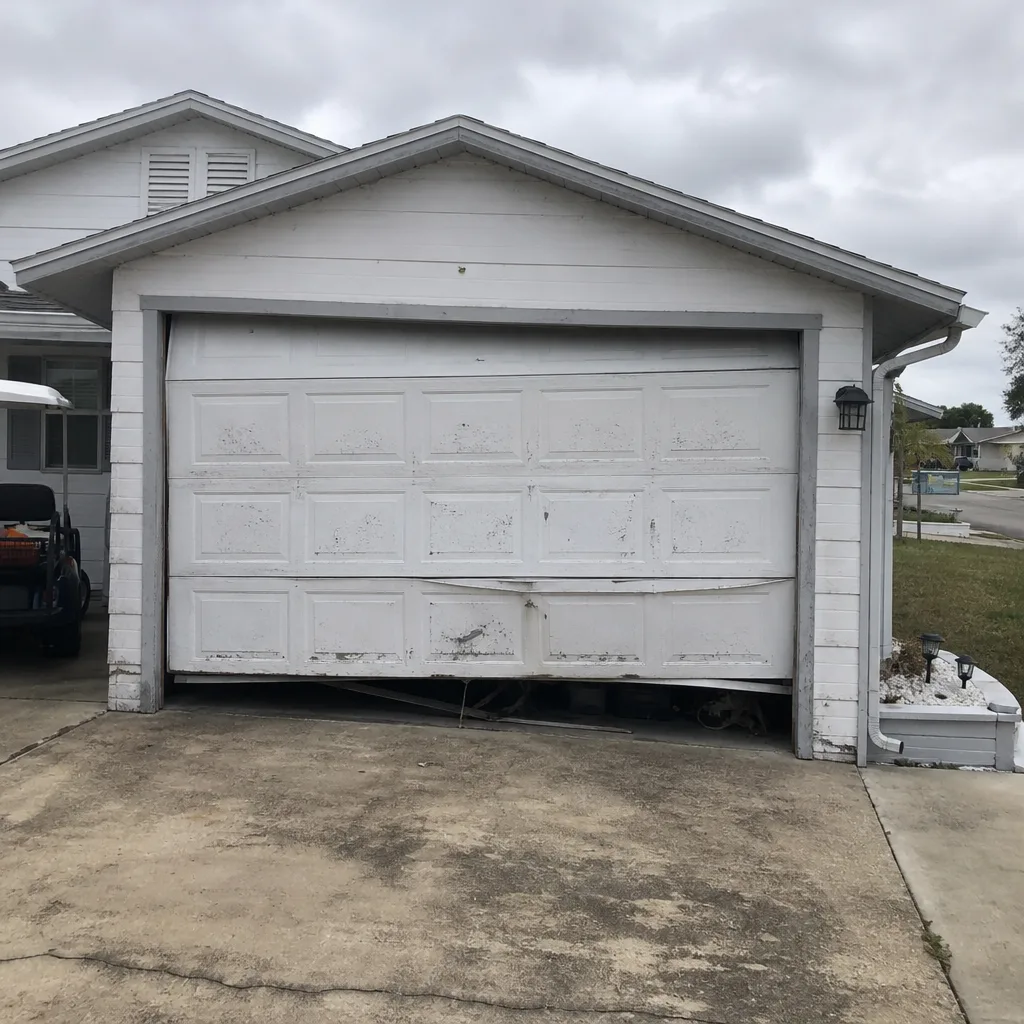 Before
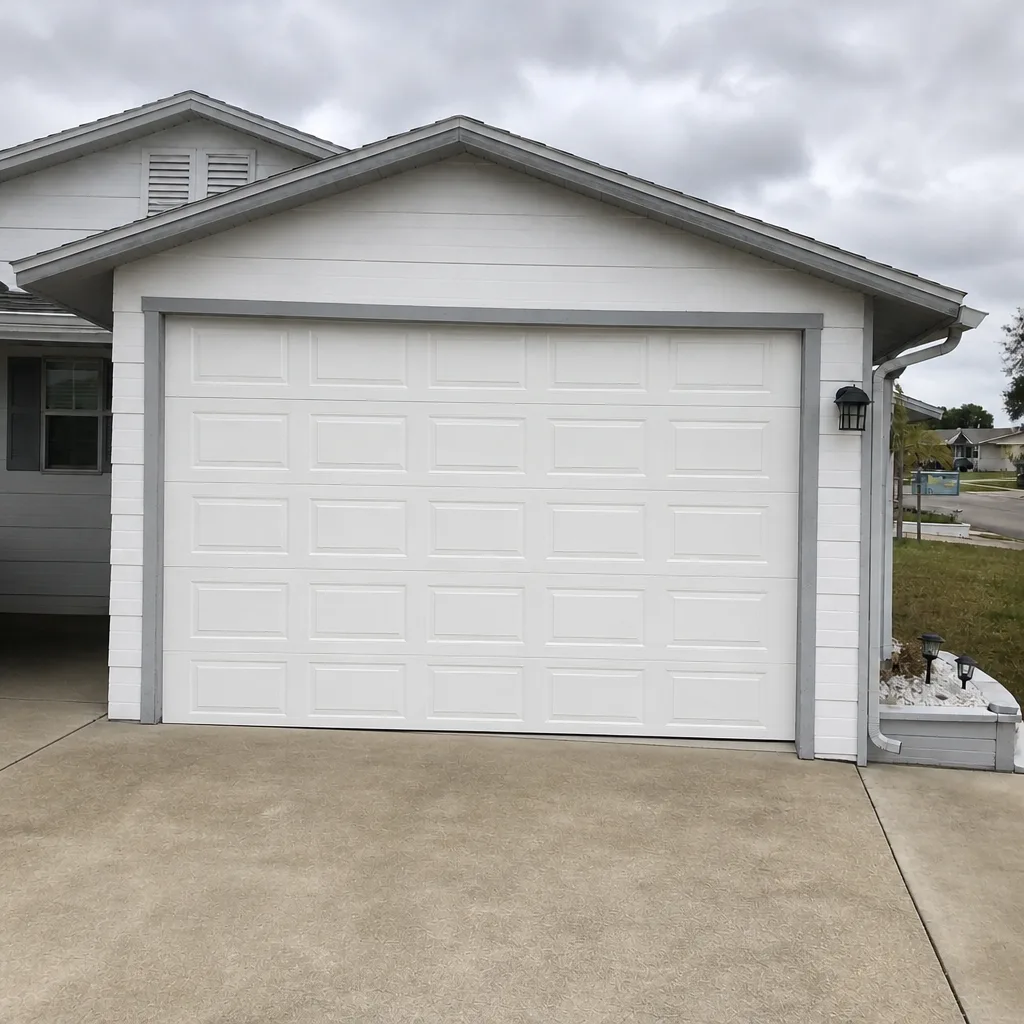 After
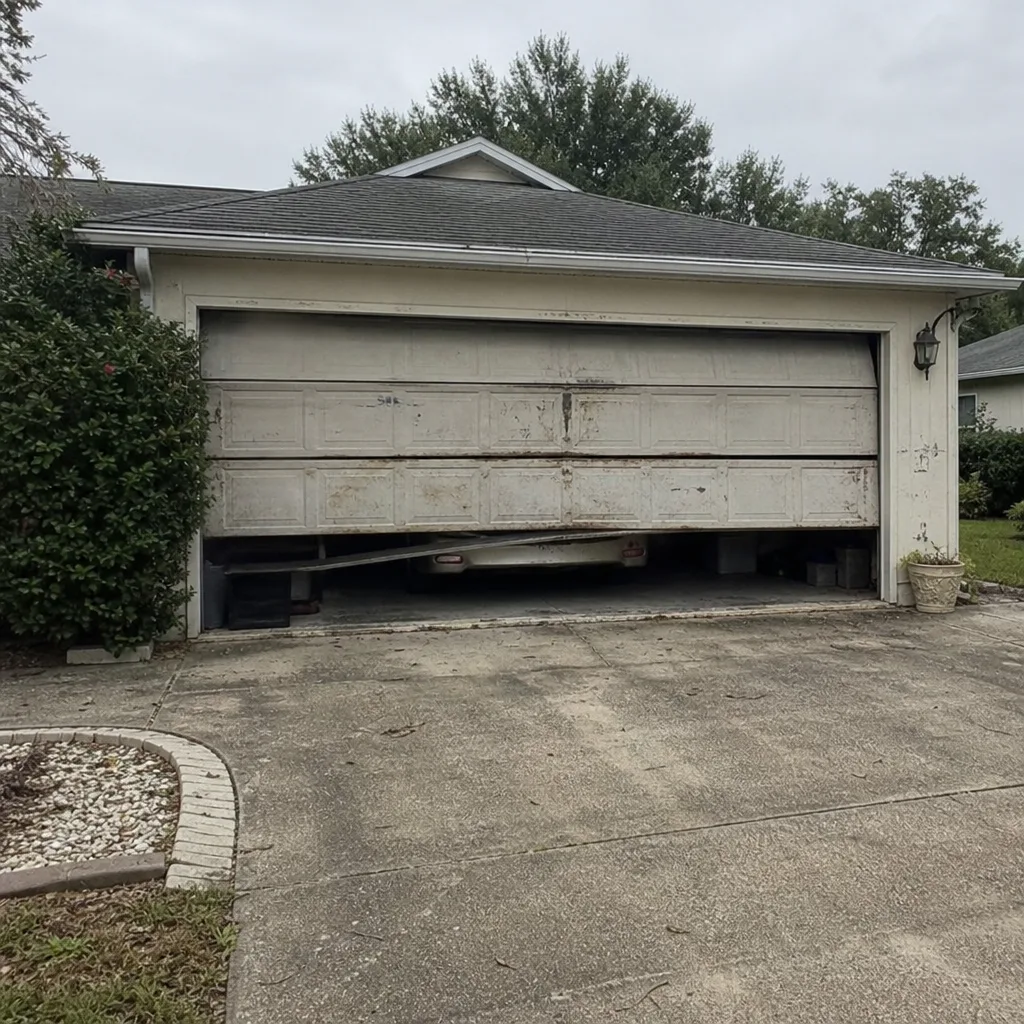 Before
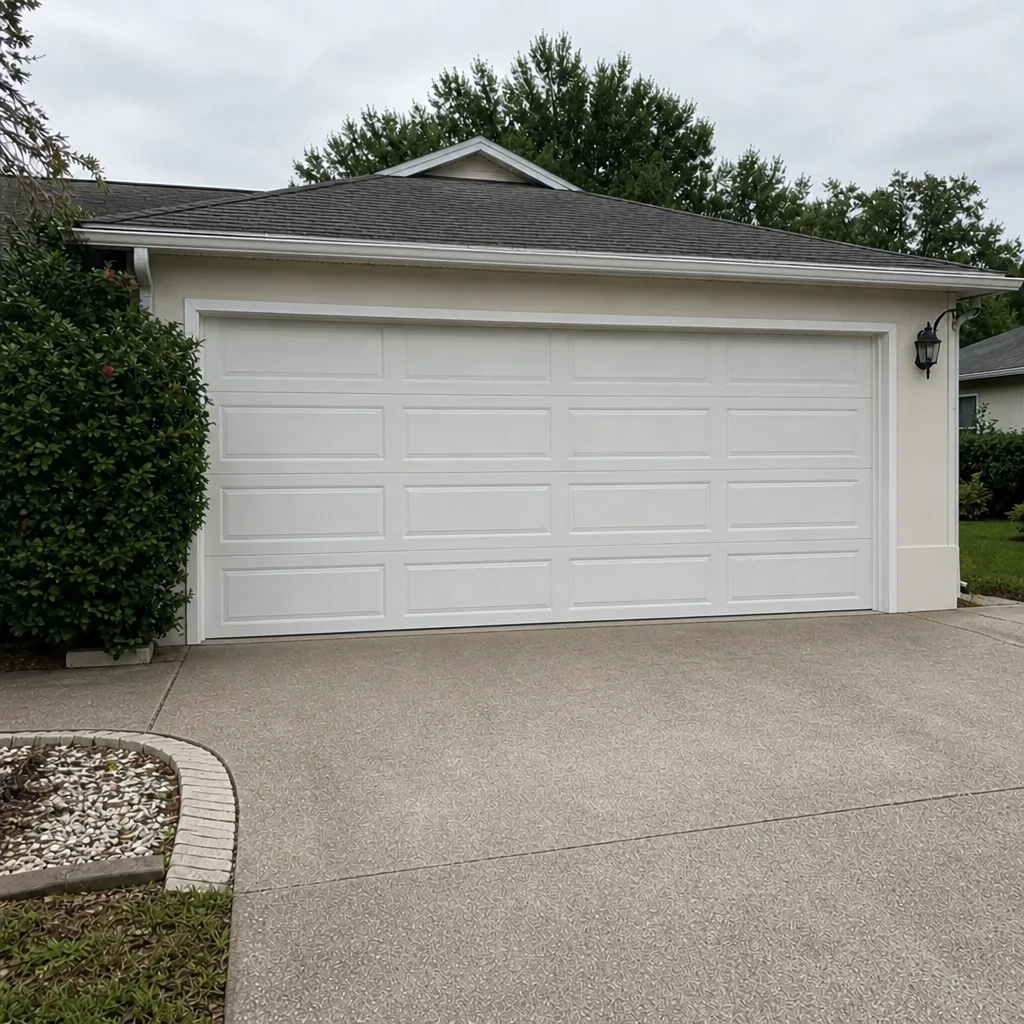 After
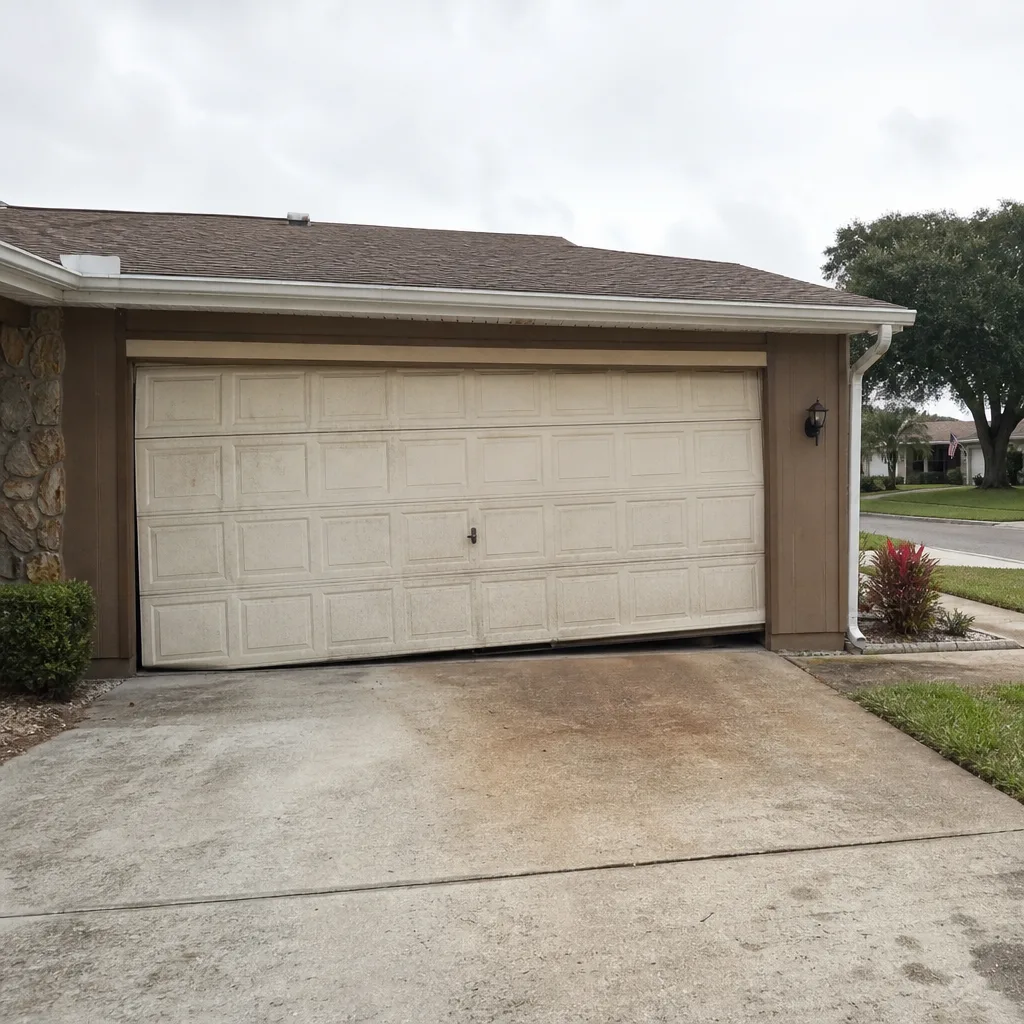 Before
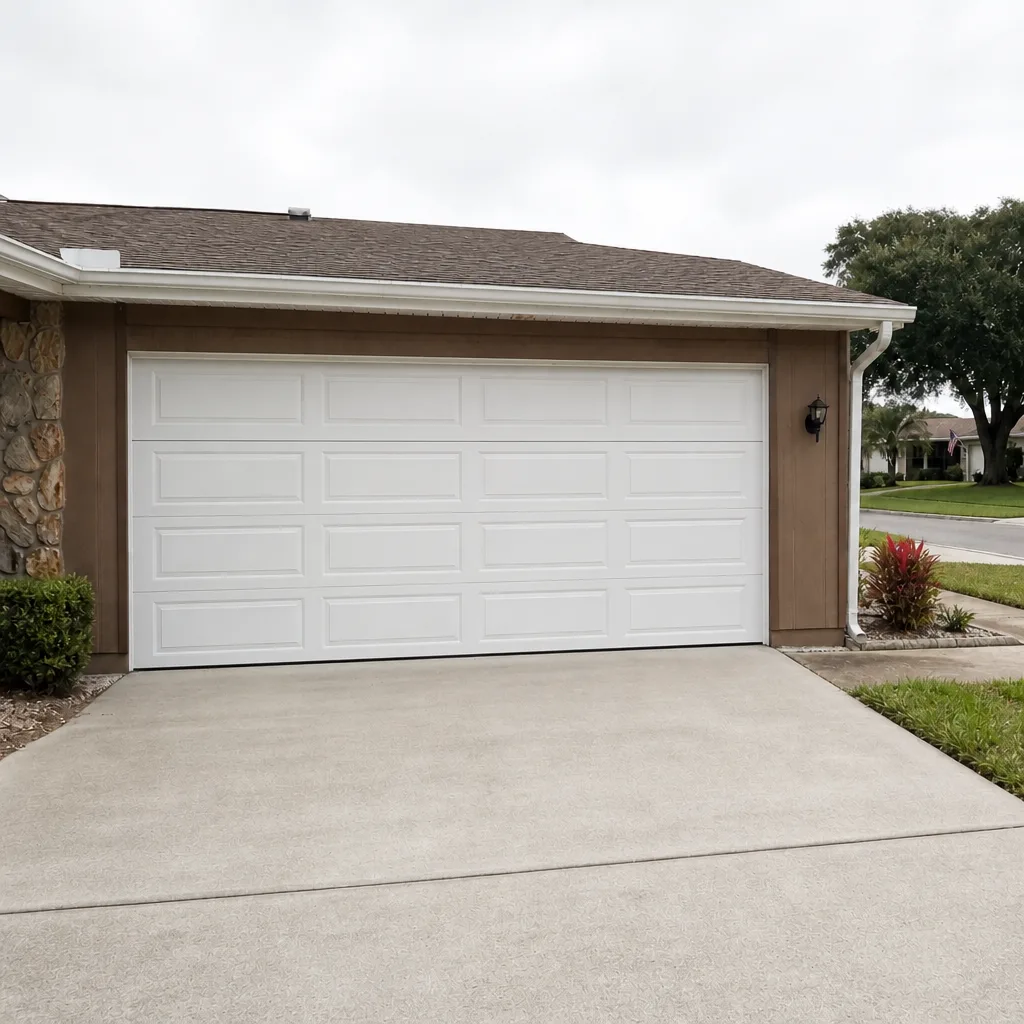 After
When to Call a Professional
Call a professional any time a warning sign involves a spring, a cable, a door off its track, or a door that’s become dangerously heavy. Call same-day if you heard a bang or pop and the door won’t lift, if the door hangs crooked, or if a cable looks slack or frayed. Schedule a visit within the week for new grinding or scraping, an opener that hesitates or reverses, or a door that works by hand but struggles on the motor. Any of those are worth a look before they escalate. We offer free estimates in The Villages, and we work on every major door and opener brand. Call (844) 628-1795. We answer 24/7. Fast dispatch from 7am to 7pm, Sunday through Friday.
Frequently Asked Questions
The earliest warning signs are usually a new noise and a slight change in how the door moves, such as a door that’s a little slower, travels slightly crooked, or hesitates on the opener. These small changes often show up weeks before a spring or cable fails. Catching them early is the difference between a small adjustment and a larger repair, so it’s worth a look as soon as something sounds or feels different.
If your door feels heavy when you lift it by hand and the opener struggles to move it, the problem is usually the springs or the door’s balance, not the opener. If the door lifts easily by hand but the opener clicks, stalls, or reverses, the opener is the more likely culprit. Either way, springs are not a do-it-yourself part. Call (844) 628-1795 for an exact quote, estimates are free.
Grinding by itself is usually not an emergency, but it should be scheduled within the week rather than ignored. Grinding often points to a seized roller or a worn hinge, which is a straightforward repair before it wears into something bigger. If grinding is combined with a door that’s crooked, stuck, or won’t lift, treat it as urgent and stop using the door.
Yes, the local pro is licensed and insured as their state requires, and every technician we connect you with works on garage doors specifically rather than as a generalist. Our technicians have up to 13 years of experience and are certified to work on eight major brands, including LiftMaster, Chamberlain, Craftsman, and Raynor. Call (844) 628-1795 for an exact quote, estimates are free.
No, the price we quote and agree on before any work starts is the price you pay, and the written estimate sets the final cost. We look at the door, diagnose what’s actually wrong, and give you a clear price before a wrench comes out. Call (844) 628-1795 for an exact quote, estimates are free.
The heat and humidity in The Villages are hard on weather seals and can make hardware loosen over time, and many homes built in the early 2000s still have their original openers. That combination means seals wear out and older openers start showing hesitation, range loss, and partial reversal. A monthly driveway check catches most of it early, and a quick call handles the rest.
Yes, we offer same-day service for repair situations where a stuck or broken door needs prompt attention. Call (844) 628-1795. We answer 24/7. Fast dispatch from 7am to 7pm, Sunday through Friday. A call outside dispatch hours is booked into the next opening.
The Bottom Line
Garage door failures rarely come out of nowhere. They escalate through a sequence of symptoms, and most The Villages homeowners have a window of weeks between “something’s off” and “something’s broken.” The trick is reading the signs accurately. Grinding, scraping, and hesitation are usually same-week issues. A bang, a crooked door, or a slack cable is a call-today issue. A worn seal is a comfort fix you can schedule. Keep the driveway checklist in mind, stay away from springs and cables, and when something points to the high-tension parts, call us. One call covers it: repair, opener, or full installation, and we work on the brand you already have.
Ready for an honest read on what your door is telling you? Call (844) 628-1795 for a free estimate. We answer 24/7. Fast dispatch from 7am to 7pm, Sunday through Friday.
Written by the team at The Villages Garage Door Repair Pros.