
Last updated November 21, 2026
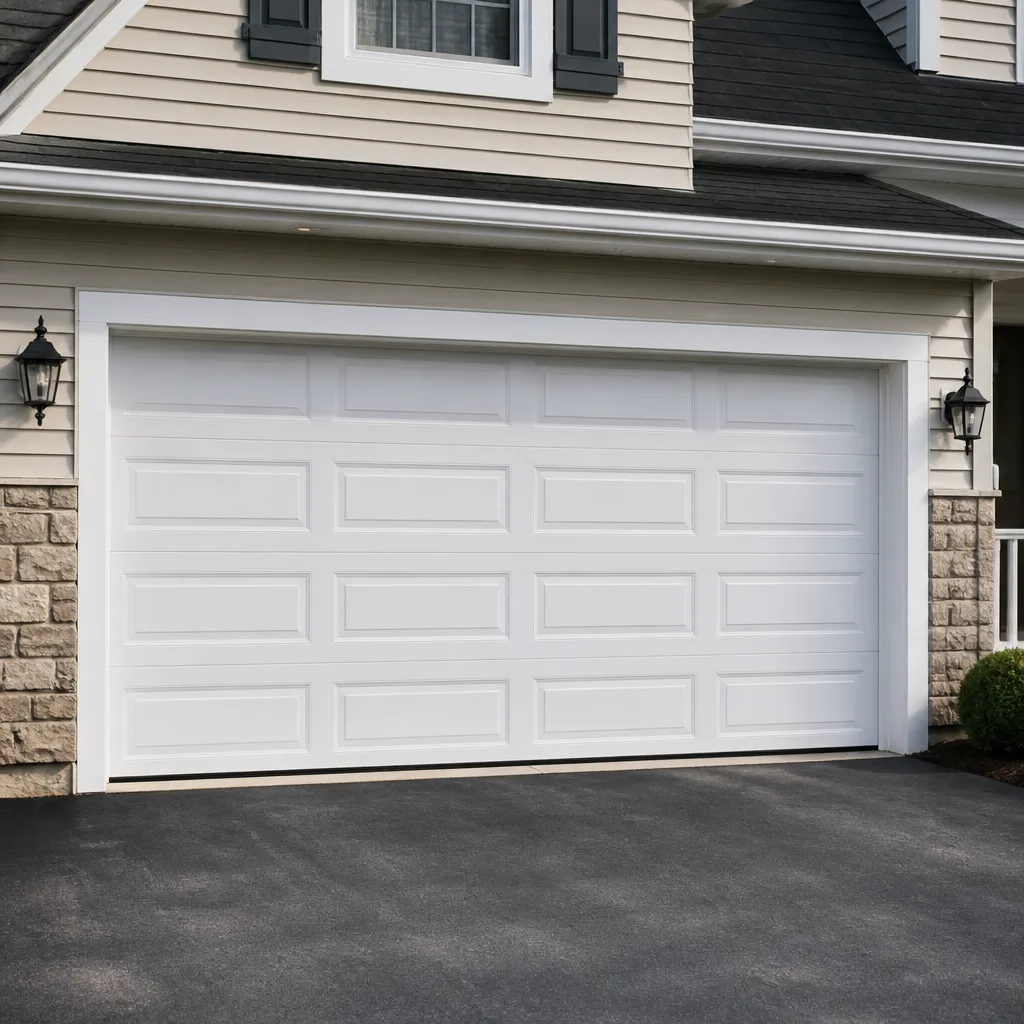 Raised-panel steel
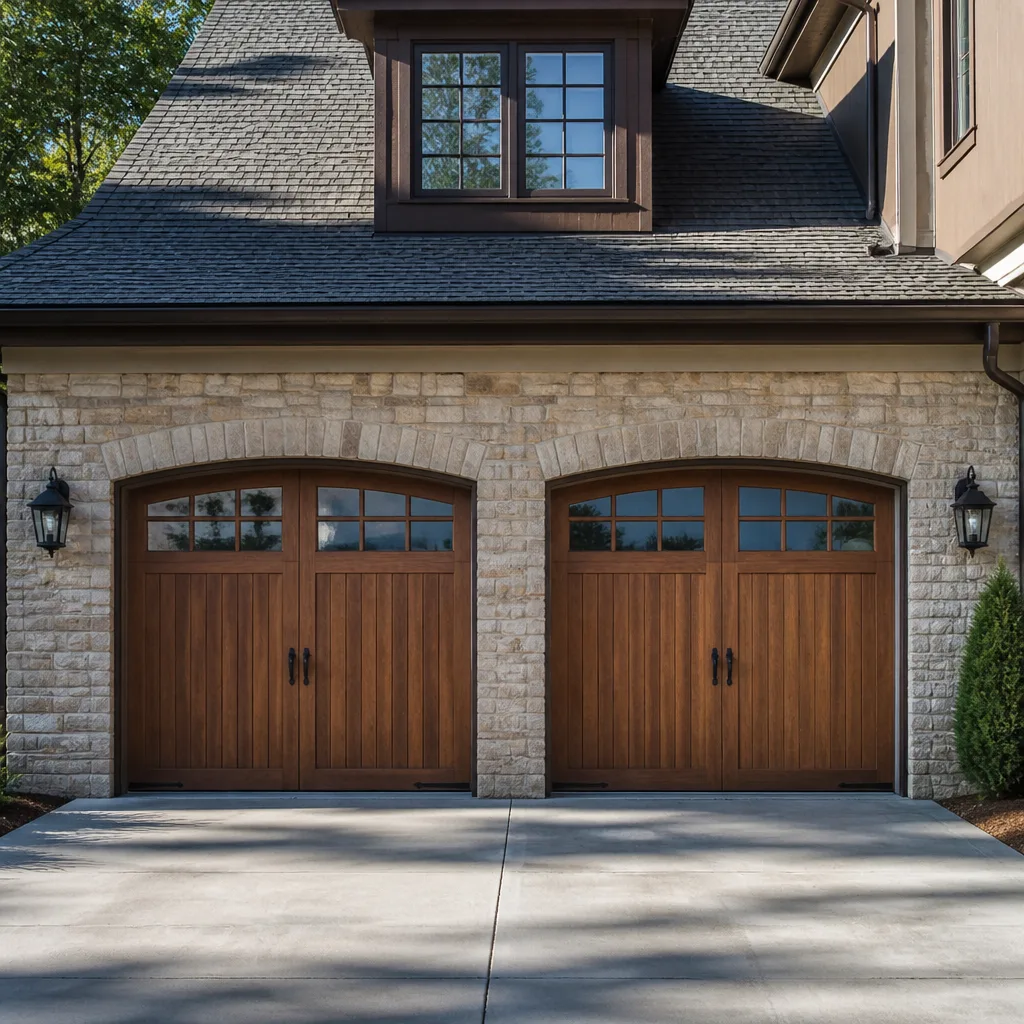 Carriage house
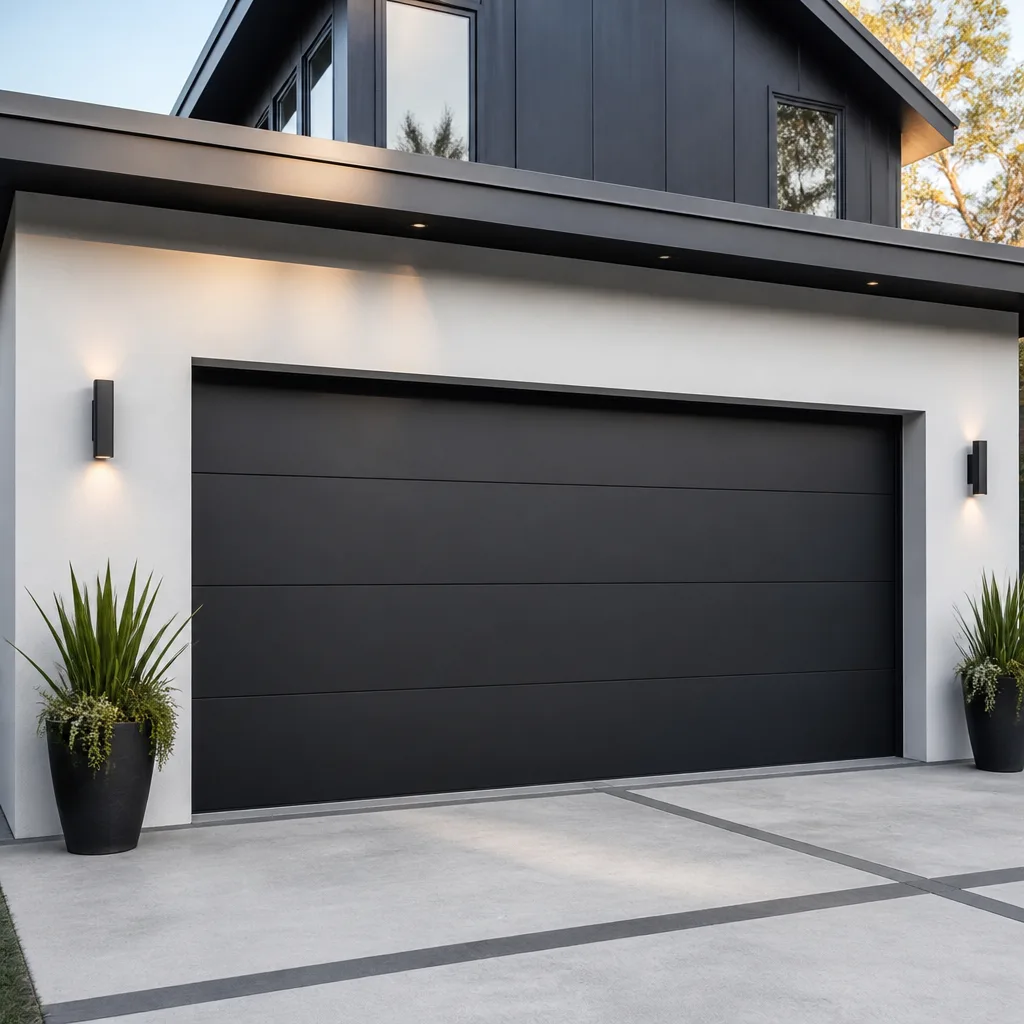 Modern flush
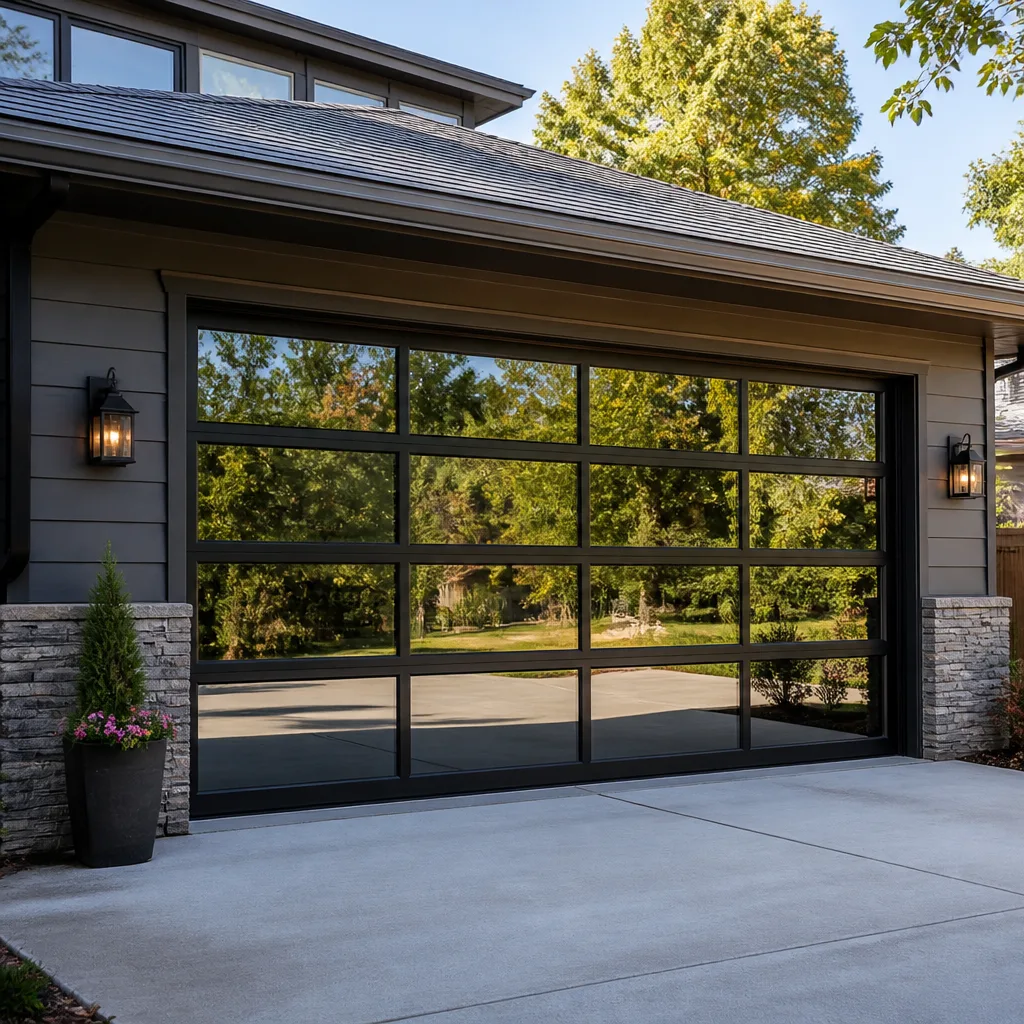 Full-view glass
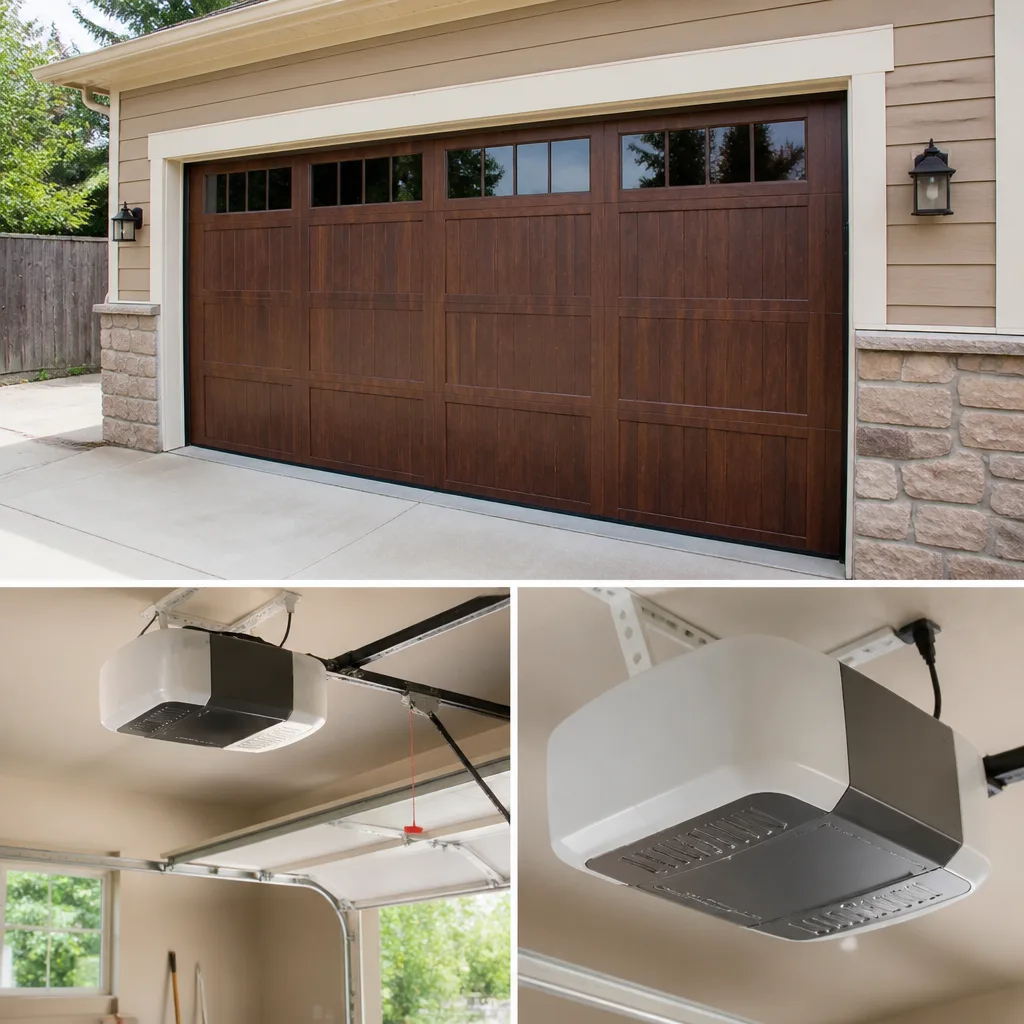 LiftMaster openers
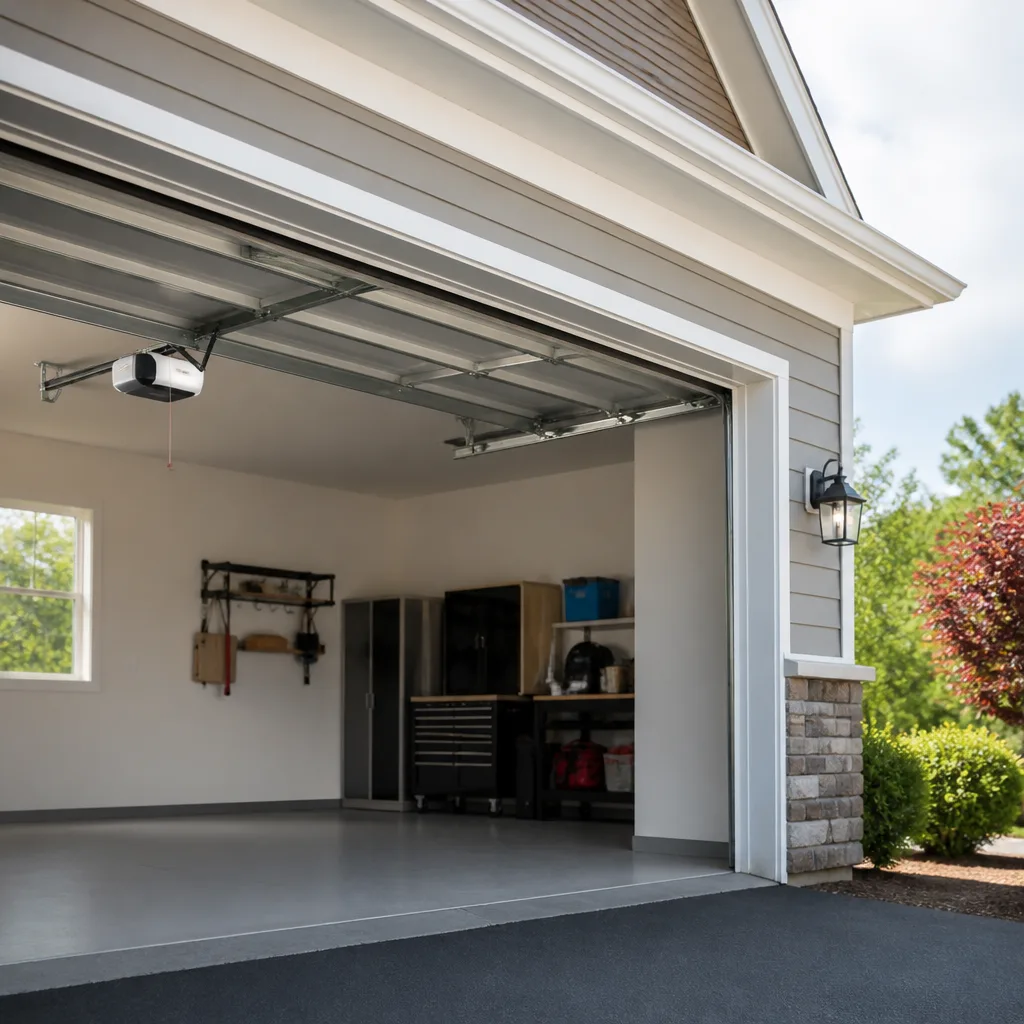 Chamberlain openers
Full 25-point door and opener safety check with every visit - springs, cables, rollers, tracks, and your LiftMaster or Chamberlain opener included
You get a price before we start. It does not change when the pro arrives.
Get your free estimateThe Complete Guide to Garage Doors in The Villages
Most garage door guides are written for a generic suburban homeowner with a flat driveway, a two-car bay, and a city that barely cares what the door looks like. The Villages is not that place. Here, the garage door has to satisfy a deed-restricted community, fit around a golf cart, survive Central Florida’s inland heat and humidity, and still open smoothly every morning when you’re trying to get to the square before the good parking disappears. None of those realities show up on page one of Google. This guide covers all of them: how Villages deed restrictions and your community development district shape your choices before you buy, why golf cart garage setups need different specs, which brands actually hold up here, how the local climate wears on springs and seals, and how to sequence a full door project so you don’t double back. If you live in The Villages and you’re thinking about your garage door, this was written for you.
Quick Answer
Choosing a garage door in The Villages means working inside deed restrictions and your community development district’s architectural rules first, then matching the door and opener to your specific bay – and golf cart garages have lower headroom and narrower openings than standard two-car setups, so they need different specs. After installation, the inland heat and humidity cycle here fatigues springs and degrades weather seals faster than most coast-focused advice assumes. Get the design approved, sized correctly, and made from materials that tolerate the local climate, and a Villages garage door will last far longer than one picked off a big-box shelf.
Styles & brands we work with
- Raised-panel steel
- Carriage house
- Modern flush
- Full-view glass
- LiftMaster openers
- Chamberlain openers
Table of Contents
- How do deed restrictions and HOA approval affect your door choice?
- Why golf cart garages need different doors and openers
- How Central Florida’s inland climate wears on your door
- Which brands hold up, and which leave you waiting for parts
- How to sequence a full door project, step by step
- A maintenance routine that actually fits this climate
- Repair or replace? How to decide
- What garage door work typically costs in The Villages
How do deed restrictions and HOA approval affect your door choice?
In The Villages, deed restrictions and your community development district’s architectural review process decide more of your door choice than your personal taste does. Before you order anything, confirm what your specific community allows – door style, color, panel configuration, and sometimes window placement. The rules vary from one village to the next, and a door that’s fine in one neighborhood can be rejected a few streets over. Approval is not a formality. It is the gate everything else passes through.
What the approval process usually looks like
- 1
Pull your community’s current deed restrictions and architectural guidelines from the district or property management office.
- 2
Note every requirement that touches the garage door: color palette, material, panel count, window style, and whether hardware like handles or hinges is restricted.
- 3
Submit your design for architectural review before you place an order, not after.
- 4
Keep the approval record. You’ll want it if a future question comes up at resale or during an inspection.
The practical effect is that you should shop for color and style against the approved list, not the other way around. It’s common here for a homeowner to fall for a door in a showroom or an online catalog, then discover the color isn’t in the palette. That’s not a small hassle – a custom door in a non-compliant color can mean reordering, restocking fees, and a long wait.
What this means for material choice
Material and color restrictions tend to push Villages homeowners toward steel doors with factory-applied finishes, because they can be ordered in a specific approved color and hold that finish well. Wood can be harder to get approved and harder to keep looking right in this climate. Aluminum and composite options exist, but check the palette before assuming any of them are allowed. When you work with The Villages Garage Door Repair Pros, we can help you narrow the field to doors that meet the local palette and are actually available, which saves you from chasing a style that gets rejected at review.
Why golf cart garages need different doors and openers
A golf cart garage in The Villages isn’t a standard car bay with a cart parked in it. The bay is typically lower, the opening is narrower, and the clearances that a normal garage door install assumes often don’t apply. This is the single biggest difference between a Villages project and a generic one, and it’s where specs go wrong most often.
What’s actually different about a cart garage
- Headroom. A high-lift or low-clearance track configuration is often unavoidable. The opener has to be compatible with the reduced space.
- Width and height. Cart bays are narrower and shorter than a full car bay. Doors and openers need to be sized to the opening, not to a standard spec.
- Torsion vs. extension springs. The spring type and mounting are often dictated by the ceiling height, which is the reason spec sheets for standard installs don’t carry over.
- Opener travel and force limits. A shorter door needs different opener travel settings. A generic opener installed without adjusting these can stop short, reverse falsely, or strain the door.
- Door weight. A smaller door is lighter, but the spring balance still has to be matched precisely. Getting it wrong puts stress on the opener and the door panels.
How to get a golf cart garage right
The starting move is a measurement: ceiling height, opening height and width, track clearance on all sides, and the exact travel path of the door. Show those numbers to whoever supplies the door and opener, and confirm the opener is rated for that travel and clearance. If you already have a door that’s misbehaving, the diagnostic matters more than the part: a door that won’t close fully could be a spring, a track issue, or an opener adjustment. Our technicians have up to 13 years of experience with exactly this kind of diagnosis, and if it turns out to be the opener, garage door opener repair is a straightforward fix once the cause is clear.
How Central Florida’s inland climate wears on your door
The Villages sits squarely in Central Florida’s inland heat and humidity cycle, and that’s the pattern that matters for your garage door, not the coastal weather most guides describe. You get long stretches of heat, heavy summer rain, and high humidity inside the garage. That combination is hard on the two most neglected parts of the system: springs and weather seals.
How springs fatigue faster here
Springs are made of tempered steel under constant tension. Heat accelerates metal fatigue, and cycles do the rest. A door that opens and closes six or eight times a day in a hot garage will wear through its spring life sooner than a door in a cooler climate. In The Villages, the practical result is that spring replacement tends to come up regularly, and when it does, it’s dangerous work. The torsion spring or springs above the door are under immense stored tension. Never try to adjust, unwind, or replace one yourself. A trained technician handles it safely, and garage door spring repair is one of the most common calls we get.
How the heat and humidity degrade seals and hardware
- Weather seals. The bottom seal and the perimeter seals take a beating from humidity, sun, and constant contact with a hot concrete floor. Once the bottom seal cracks or hardens, water and pests get in, and the opener works harder to close the door.
- Hardware and fasteners. Humidity encourages rust on hinges, roller bearings, and bolts. A quick visual inspection costs nothing and catches it early.
- Lubricant. Heat thins lubricant and dust thickens it. Hardware needs periodic lubrication to keep rollers rolling and hinges moving smoothly.
- Panels and finish. Sun exposure fades and dulls the finish over time, and moisture finds any weak edge. A good factory finish lasts much longer than an aftermarket paint job.
The takeaway for The Villages homeowners isn’t that the climate is hostile. It’s that it’s predictable. If you maintain on a schedule that matches the local cycle, you catch problems while they’re cheap. Our technician experience tells us the difference between a door that’s serviced and one that’s only looked at when it stops working. The first kind lasts far longer.
Which brands hold up, and which leave you waiting for parts
Brand matters less than you think when it’s working and more than you think when it breaks. The real question in The Villages is not “which brand is best” but “when this door or opener fails, how fast can a specialist get the part and get it fixed?” That’s a question about inventory and service coverage, not advertising.
The brands we work on
We’re certified to work on eight major brands – LiftMaster, Chamberlain, Genie, Clopay, Amarr, Wayne Dalton, Craftsman, and Raynor. That list covers almost every door and opener you’ll find in a Villages garage. In practice, the two you’ll see most in local homes are Clopay doors and Genie or LiftMaster openers, all of which have strong parts availability. Amarr and Wayne Dalton doors are also common and straightforward to source and service.
Brand availability in The Villages, by category
- Strong local availability. LiftMaster and Genie openers, and Clopay doors, are the ones most likely to have parts on hand when something fails. These are the workhorses of the local market.
- Solid availability. Chamberlain and Craftsman openers share a great deal of internal design and are readily serviceable. Amarr and Wayne Dalton doors are reliable and their parts are generally accessible.
- Specialty or older brands. Less common openers and older door models can mean a wait for a specific part. This is where knowing the model number before a problem happens saves time.
The one thing you can do to protect yourself, regardless of brand, is to write down the make and model of your door and opener and keep it somewhere you’ll find it. When a spring breaks or an opener dies, that information turns a diagnostic visit into a parts order. If you’re unsure what you have, our team can identify it during a repair visit.
How to sequence a full door project, step by step
A full door project in The Villages is not a single appointment. It’s a sequence, and the order matters because the HOA approval has to come before the order, and the order has to come before installation. Handle it out of sequence and you’ll end up redoing a step you already paid for.
The step-by-step sequence
- Review your restrictions. Pull the current architectural guidelines for your village and note every door requirement.
- Get a measure. Have someone measure the opening, the headroom, and the track clearances. For a golf cart bay, this step is essential, not optional.
- Choose your door and confirm availability. Match your chosen style and color to the approved list and confirm the door is actually orderable in that color.
- Submit for HOA or district approval. Do this before you place a deposit. Approval before order is the rule that prevents doubling back.
- Confirm permits. Most cities require a permit for structural door work, so ask your city’s building department what applies before scheduling.
- Schedule the install. Once the door is delivered and the approval is in hand, book the installation.
- Inspect and test. After install, confirm the opener travel limits, force settings, and safety reverse all work, and that the door opens and closes cleanly through its full travel.
- Keep the paperwork. Save the approval, the permit, and the installation documentation together. Future you will thank present you.
The most common sequencing mistake we see is placing a deposit before approval. The second is skipping the golf-cart-bay measure and ordering a door sized to a standard opening. Either one turns a simple project into a long, expensive correction. We recommend treating the sequence as fixed rather than flexible, because it’s the approval step that makes everything after it possible.
A maintenance routine that actually fits this climate
Garage door maintenance in The Villages should follow the heat-and-humidity cycle, not a generic annual checklist. The goal is simple: catch wear before it becomes failure, and keep the moving parts moving. A few minutes a couple of times a year goes a long way.
What to check, and how often
- Every month or two: look at the bottom seal for cracks or hardening, listen for rattles or grinding, and test the safety reverse by placing an object in the door’s path while it closes.
- Every six months: inspect the hinges, rollers, and bolts for rust or looseness, and lubricate the moving hardware. This is the single cheapest thing you can do.
- Once a year: have the balance and spring tension checked by a technician. Springs give no warning before they fail.
- After a storm: check that the door tracks are straight and that the door still opens and closes smoothly through its full travel.
What not to check yourself: the springs, the cables, and the torsion assembly. These carry dangerous stored force. If you see a gap in a spring, a frayed cable, or a door that’s hanging unevenly, that’s a call, not a DIY project. Our technicians are trained specifically on spring work because it’s the most hazardous part of the system. Routine preventive maintenance is also the cheapest way to avoid a surprise breakdown on a day you least need one.
Repair or replace? How to decide
Repair makes sense when the problem is a single component – a spring, a roller, an opener logic board, a single panel. Replace when multiple components are failing, the door is visibly sagging or out of balance, or the panels are damaged beyond what a swap can fix. In The Villages, the deciding factor is often the door’s balance and the state of the springs, because those are what fail first in the local climate.
Repair when
- The door still opens and closes smoothly but one part has failed.
- The opener is functional and the door is balanced.
- Panels, tracks, and hardware are all structurally sound.
- The style and color already comply with your community’s restrictions.
Replace when
- The door is visibly out of balance, sagging, or very difficult to lift manually.
- Multiple springs or rollers have failed at once.
- Panels are cracked or dented and can’t be matched.
- The door is no longer a good match for your golf cart bay or daily use.
Honestly, most calls we get are repairs, not replacements. A door that’s served well for years usually has more good years in it after a proper fix. Replacing is the right call when the balance, springs, and panels are all at the end of their life at the same time, because at that point you’re paying for a series of repairs that add up to a new door anyway. Garage door repair is the place most homeowners start, and a good diagnostic visit will tell you honestly which path you’re on.
What garage door work typically costs in The Villages
Garage door costs in The Villages vary with the job, and the estimate should be written and agreed before any work starts. The ranges below are typical, not fixed – your written estimate sets the final price. A spring price is for one spring, and since a matched pair is usually replaced together, a pair costs about twice the single spring range. Same-day and emergency work is not priced higher; the price is set per job by the written estimate.
Typical estimated ranges
- Spring replacement (one spring): typically $180 to $340.
- Spring replacement (matched pair): usually about twice the single-spring range.
- Opener repair: varies with the part – a logic board, travel adjustment, or motor issue.
- New door installation: quoted after a measure, because door size, material, and golf cart bay specs change the cost.
- Routine service and adjustment: a straight per-job price quoted by estimate.
Two things to know before you book. First, the estimate is free, and you’ll get the price in writing before anyone starts. Second, the question to ask, before work begins, is “will this price change once you see the door?” – and the answer should be that if anything changes, you get a new written estimate before any work continues. That’s how you avoid an invoice bigger than the quote.
See the difference
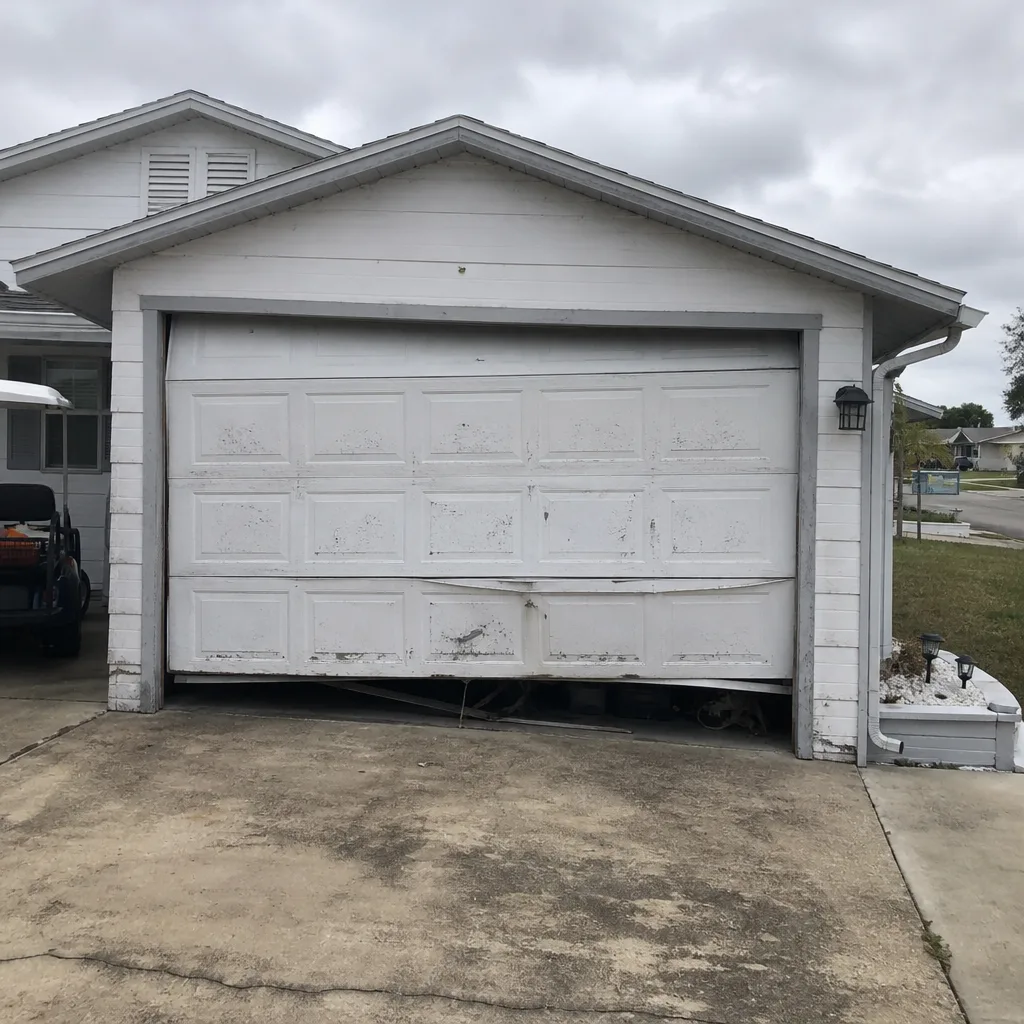 Before
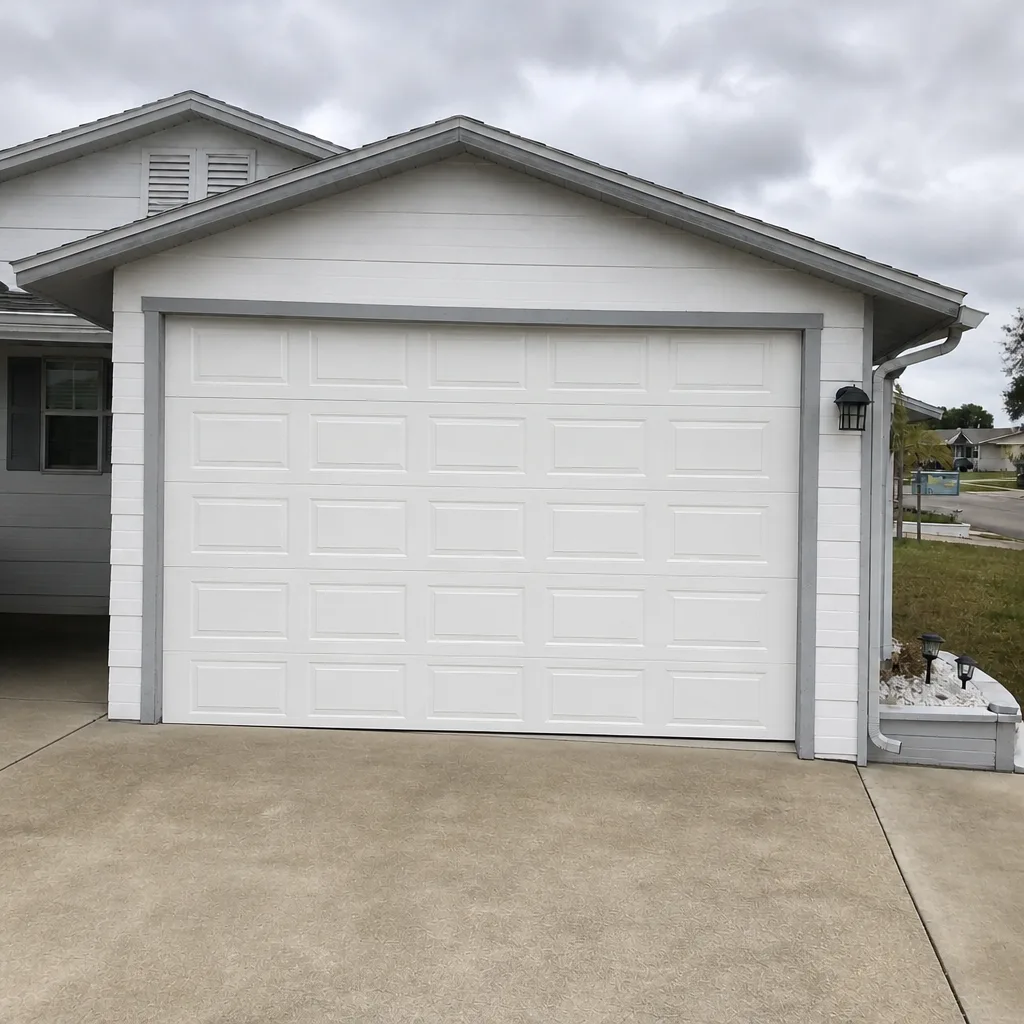 After
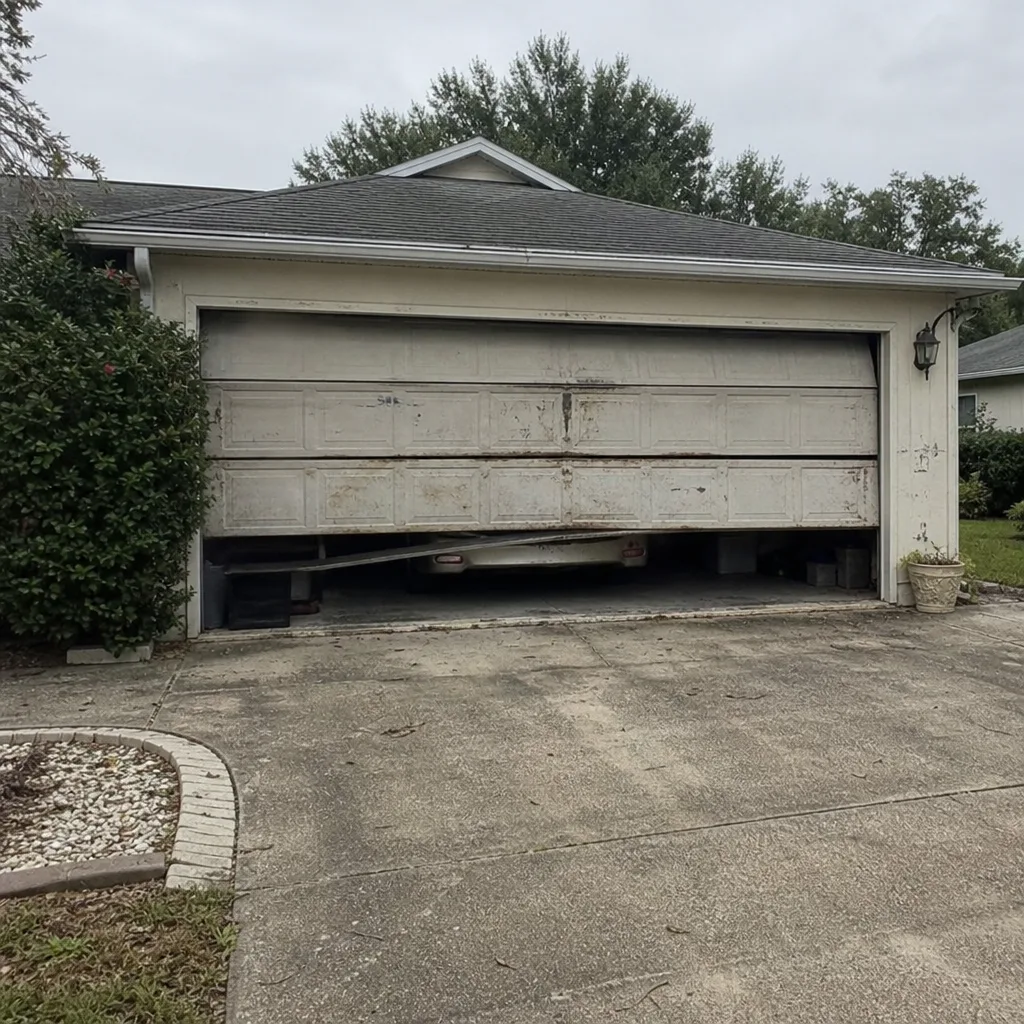 Before
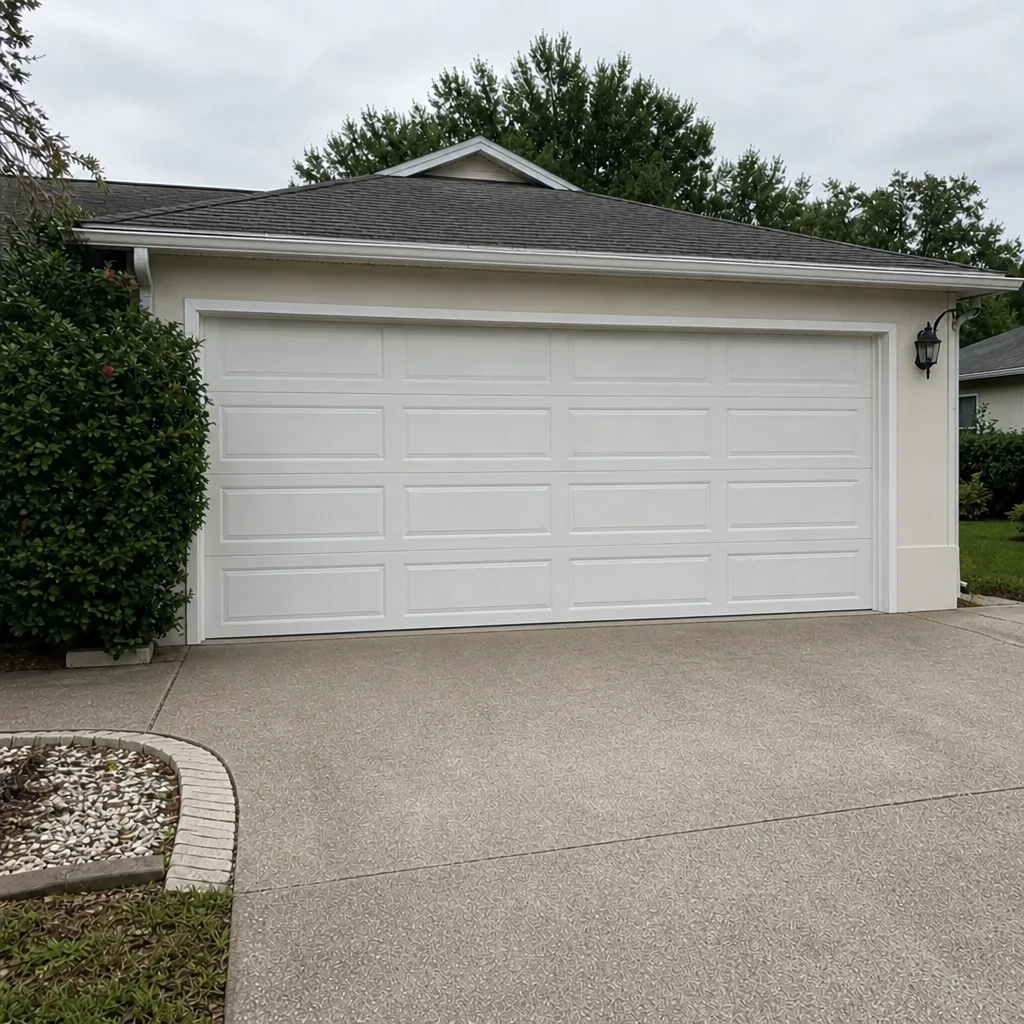 After
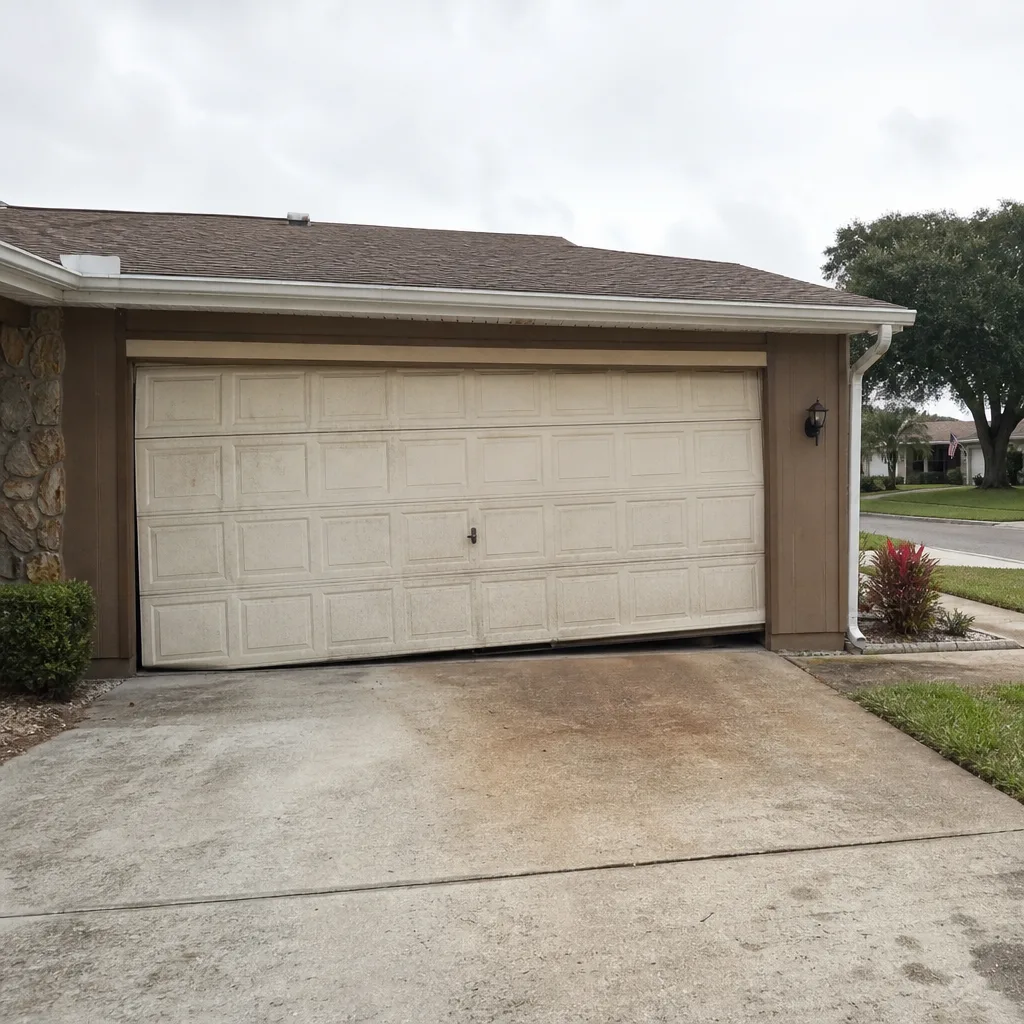 Before
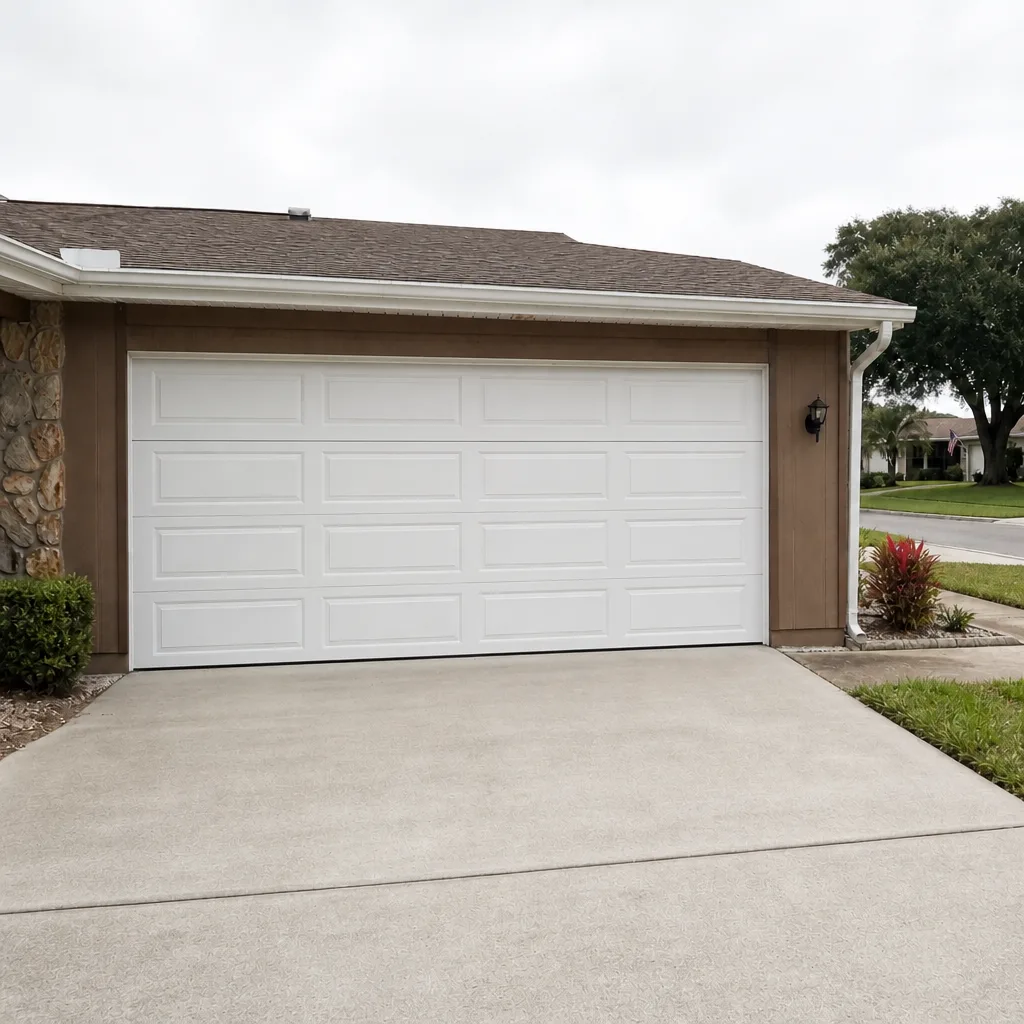 After
Common Mistakes to Avoid
- Ordering before approval. Falling for a door in a color that isn’t in your community’s palette is the most expensive mistake in The Villages, because you can’t install a door that doesn’t pass architectural review.
- Skipping the golf cart bay measure. Sizing a golf cart garage door to a standard car opening leaves you with a door that doesn’t fit, an opener that doesn’t travel right, or both.
- Assuming coastal advice applies. Guides that talk about salt air and coastal corrosion miss the real local problem: inland heat and humidity cycling the springs and degrading the seals.
- Touching the springs. The torsion springs and cables hold dangerous tension. Trying to adjust or replace one yourself is the single most dangerous thing you can do in a garage.
- Ignoring the bottom seal. A cracked seal lets water and pests in and makes the opener work harder every day. It’s a cheap fix that prevents a bigger one.
- Choosing a brand with no local parts supply. A door or opener that no one in The Villages can get parts for turns a one-day repair into a long wait.
- Booking install before permit questions are answered. Most cities require a permit for structural door work. Ask your city’s building department first, not after the crew is on site.
When to Call a Professional
Call a professional when the door won’t open or close, when you see a gap in a spring or a frayed cable, when the door is visibly out of balance, or when the opener reverses for no apparent reason. Those are all safety issues, not minor annoyances. In The Villages, a stuck door can also mean a golf cart that can’t get out of the garage, so the sooner it’s handled the better. A door that’s been hit, a panel that’s come loose, a bottom seal that’s failed completely, or an opener that’s making grinding noises all warrant a trained technician rather than a DIY attempt. The Villages Garage Door Repair Pros offers free estimates in The Villages – call (844) 628-1795. We answer 24/7, and fast dispatch from 7am to 7pm gets a technician to your door quickly. Every technician is narrowly specialized in this trade, not a generalist, and the work is quoted and agreed before anything starts.
Frequently Asked Questions
Spring repair in The Villages typically costs $180 to $340 for one spring, and a matched pair is usually replaced together at about twice that. The written estimate sets the final price, and estimates are free. Call (844) 628-1795 for an exact quote.
Yes, same-day service is available for repair and emergency calls, and we answer 24/7 with fast dispatch from 7am to 7pm. A call outside dispatch hours is booked into the next opening, Sunday through Friday, 7am to 7pm. Call (844) 628-1795 to get on the schedule. New door installation is measured and scheduled rather than same-day.
No – the price is quoted and agreed before any work starts, and if anything changes once the door is inspected, you get a new written estimate before work continues. You will not get an invoice bigger than the quote. Call (844) 628-1795 for a free estimate.
Yes. Deed restrictions and your community development district’s architectural review typically control door style, color, panel configuration, and sometimes window placement, and the rules vary by village. Confirm the approved list first and submit your design for review before ordering. If you’re not sure where to start, our team can point you to the right door that meets the local palette.
A golf cart garage typically has lower headroom and a narrower opening than a standard car bay, so it needs a door and opener sized to the actual opening, often with low-clearance or high-lift track and adjusted opener travel and force limits. A standard two-car spec often won’t fit. Have it measured before you order anything.
The local professional who performs the work is licensed and insured as their state requires, and every technician is specialized in garage doors rather than general handyman work. Our technicians have up to 13 years of experience, including on spring work, which is the most hazardous part of any system. Call (844) 628-1795 for a free estimate.
We work on LiftMaster, Chamberlain, Genie, Clopay, Amarr, Wayne Dalton, Craftsman, and Raynor – which covers almost any door or opener already in a Villages garage. That includes the Clopay doors and Genie and LiftMaster openers you’ll see most often locally. If you’re not sure what you have, we can identify it during a visit.
In the local heat and humidity, check the seals and test the safety reverse every month or two, lubricate hardware every six months, and have the springs and balance checked once a year. Springs give no warning, so the annual check is the important one. Call (844) 628-1795 to book a service visit.
The Bottom Line
A garage door in The Villages is a different project than a garage door anywhere else in Florida. Start with your community’s deed restrictions and architectural review, measure your specific bay before ordering, and treat the golf cart garage as its own spec – lower headroom and a narrower opening change everything. Match the door and opener to the local inland heat and humidity cycle, because that’s what fatigue springs and wear out seals fastest. Keep the parts available by choosing brands with real local support, and be honest with yourself about repair versus replace. Sequence the project correctly, maintain on a schedule, and keep the springs in the hands of a trained technician. If you’d like help at any step, The Villages Garage Door Repair Pros is a garage-door-only specialist ready to help.
Ready to get started? Call (844) 628-1795 for a free estimate. The estimate is free, the price is quoted and agreed before any work starts, and our technicians cover repair, spring replacement, opener service, and full new door installation. We answer 24/7, and fast dispatch from 7am to 7pm gets a trained technician to your Villages home quickly.
Written by the team at The Villages Garage Door Repair Pros.