
Last updated November 21, 2026
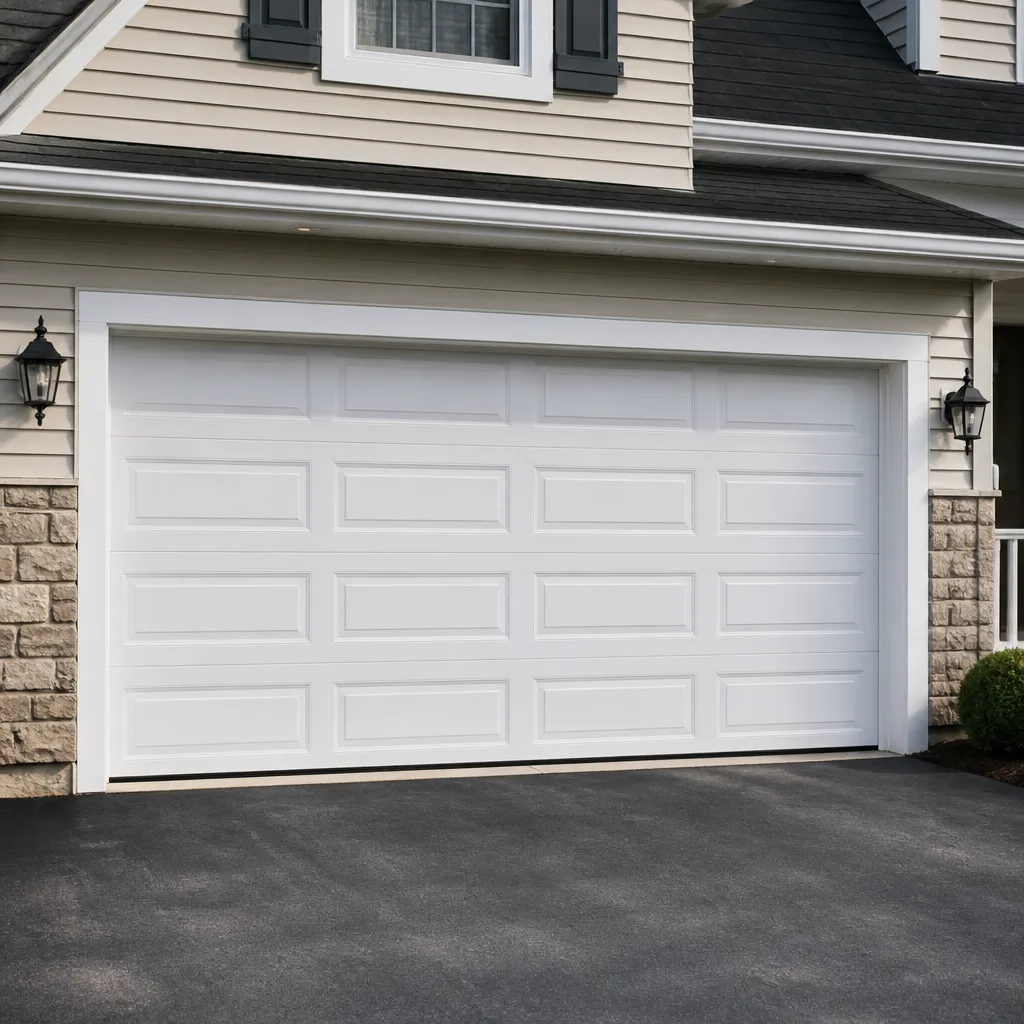 Raised-panel steel
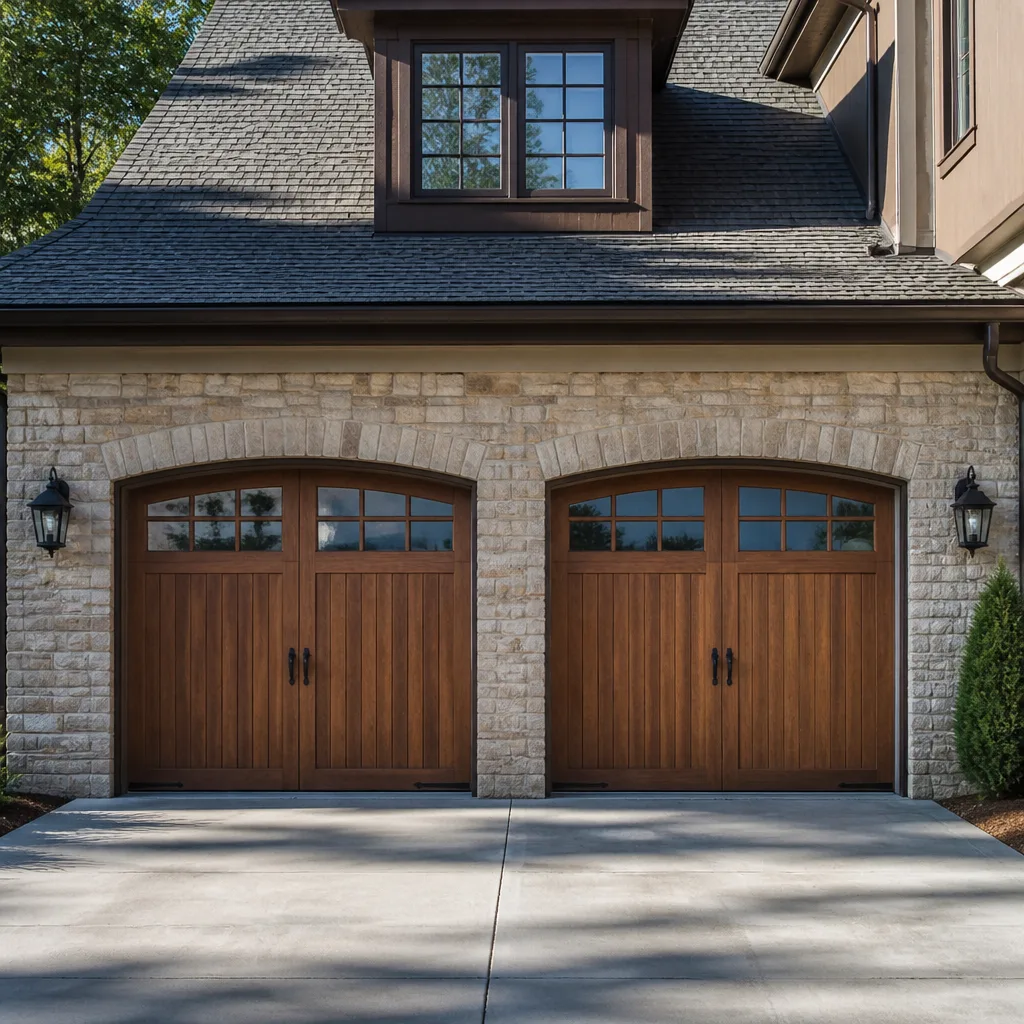 Carriage house
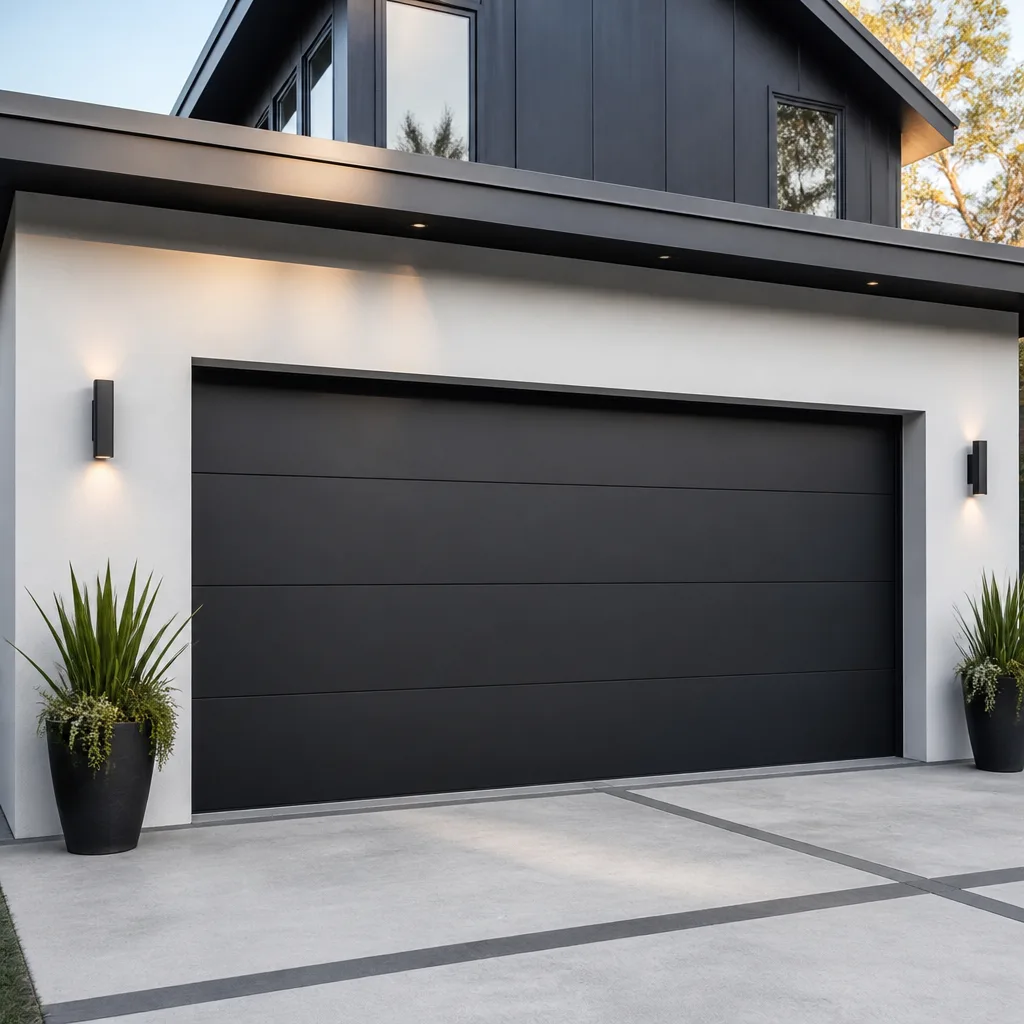 Modern flush
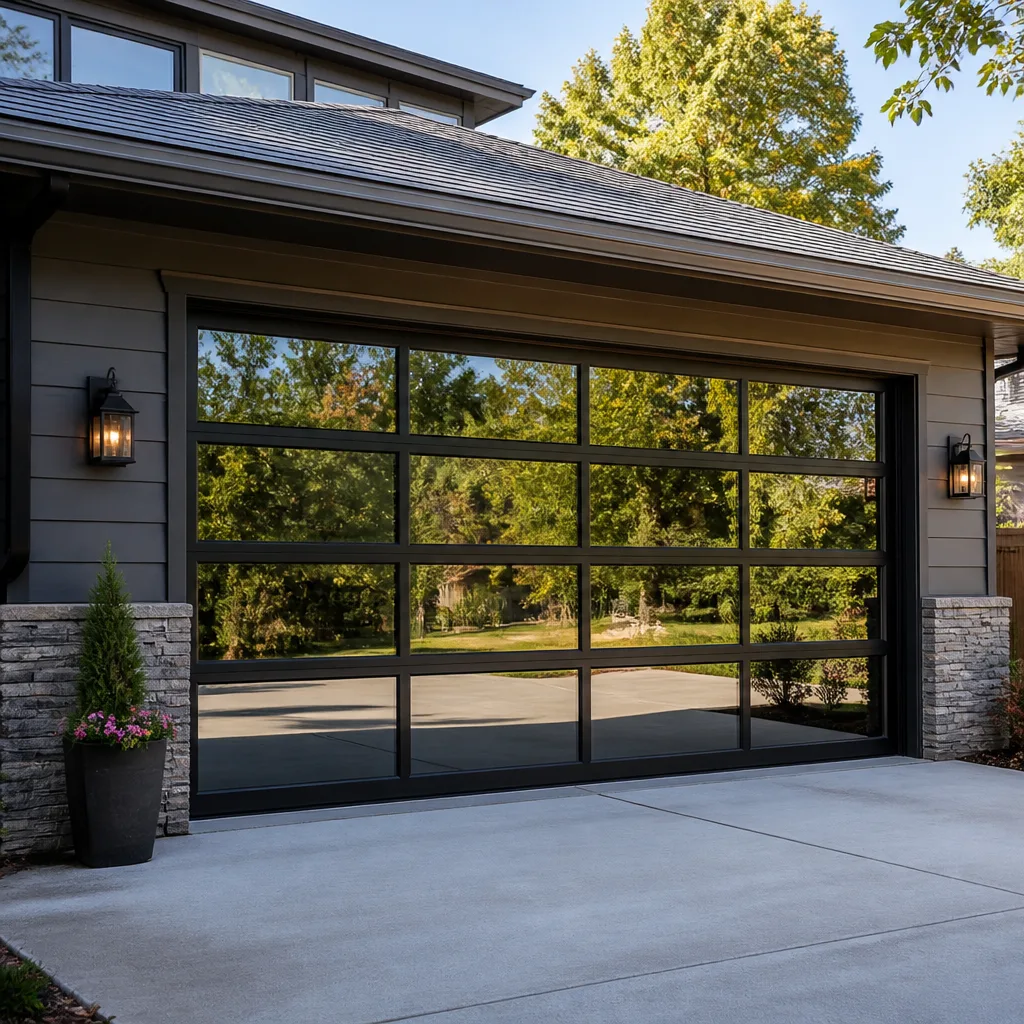 Full-view glass
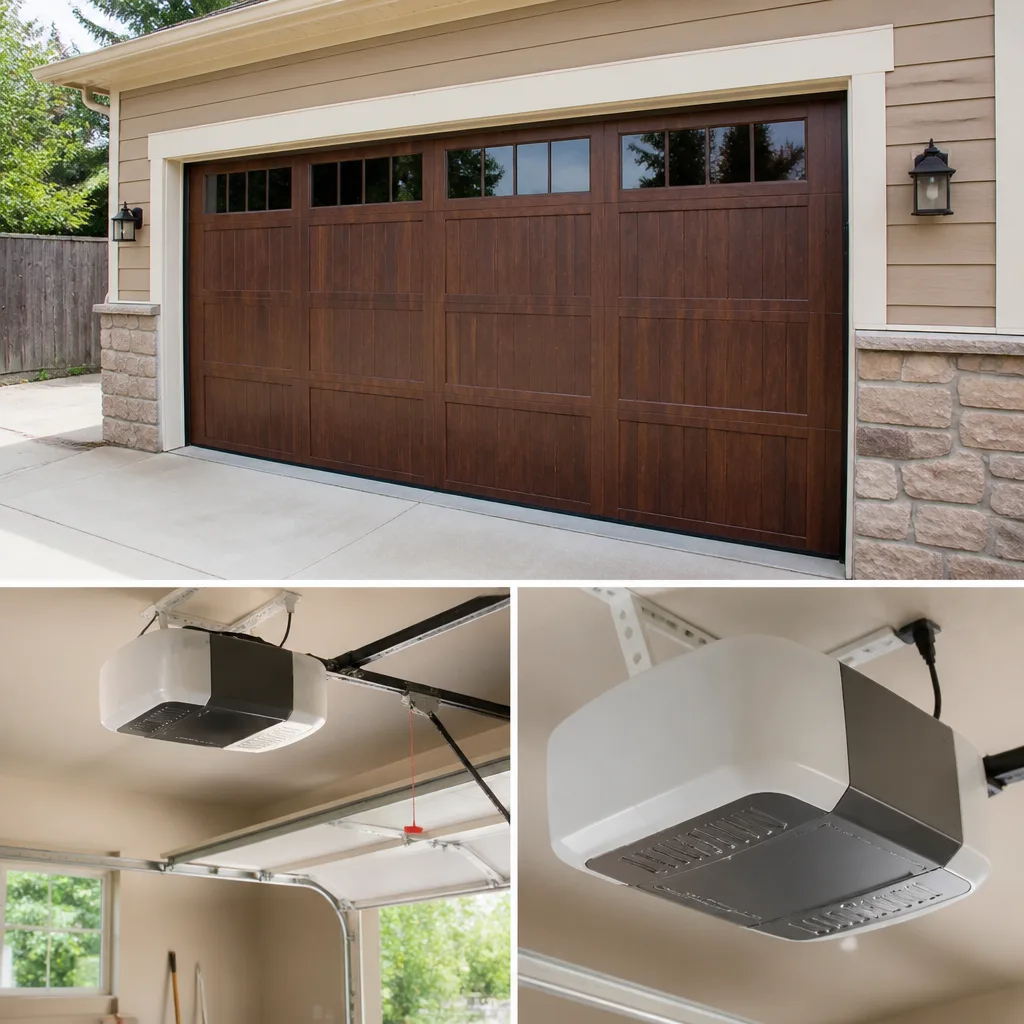 LiftMaster openers
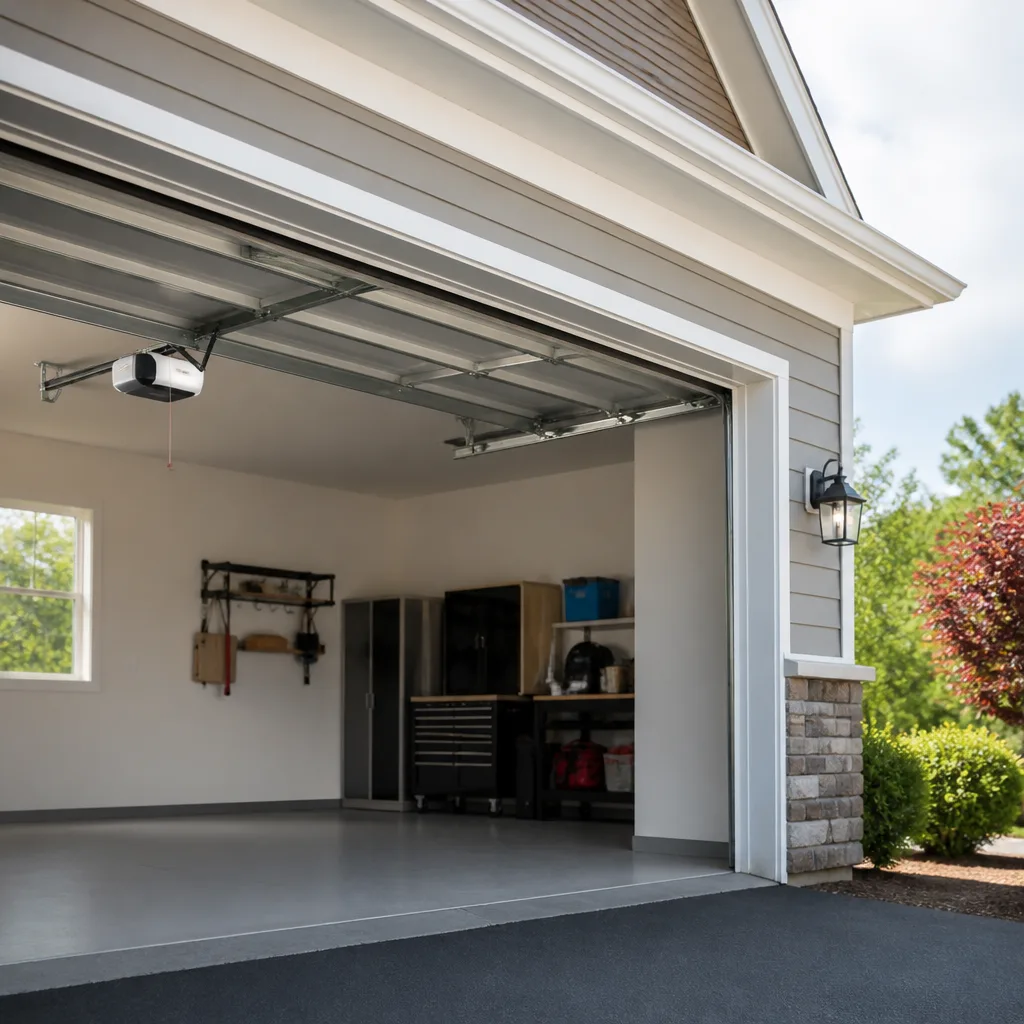 Chamberlain openers
Full 25-point door and opener safety check with every visit - springs, cables, rollers, tracks, and your LiftMaster or Chamberlain opener included
You get a price before we start. It does not change when the pro arrives.
Get your free estimateSeasonal Garage Door Care for The Villages: Year-Round Homeowner’s Guide
If you’ve read a garage door maintenance guide lately, it probably told you to “winterize” in October. In The Villages, that’s backwards. October is when our dry season begins and the humidity finally backs off. The real maintenance windows here are March, before the rains arrive, and late May, before the storms do. Florida’s calendar doesn’t fit the four-season framework most of those guides are built around, and your garage door pays the price when you follow advice written for Ohio. This guide replaces the standard spring-and-fall checklist with one that matches how weather actually moves through The Villages: dry season, wet season, and a hurricane prep window that overlaps both.
Quick Answer
Garage door maintenance in The Villages runs on two peak windows, not four seasons. Do your heavy inspection and lubrication in March before the wet season starts, then repeat a lighter version in late May as hurricane season opens. Between those windows, focus on condensation control in summer and a post-storm check after any named system or severe thunderstorm.
Styles & brands we work with
- Raised-panel steel
- Carriage house
- Modern flush
- Full-view glass
- LiftMaster openers
- Chamberlain openers
Table of Contents
- Why Florida’s Seasons Break the Standard Maintenance Calendar
- The March Window: Dry Season Prep in The Villages
- The Late-May Window: Wet Season and Hurricane Prep
- Hurricane Readiness: Wind Ratings, Bracing, and What Your Door Can Handle
- Summer Condensation: What It Does to Springs and Tracks
- Post-Storm Inspection: What to Check Before You Use the Door Again
- Snowbird Absence: What to Set Before You Leave for the Summer
- The Full-Year Maintenance Calendar at a Glance
Why Florida’s Seasons Break the Standard Maintenance Calendar
Most garage door care advice assumes four distinct seasons with a cold winter at the center. The Villages doesn’t work that way. We get a dry season that runs roughly from late fall into spring, then a wet season that brings afternoon thunderstorms and high humidity through the summer. Layered on top is the Atlantic hurricane season, which opens in June and runs into late fall. That’s three overlapping weather phases, not four neat quarters, and each one stresses different parts of your door system.
Here’s what that means for the components themselves:
- Dry season is your inspection and lubrication window. Low humidity means you can see wear clearly and lubricant stays where you put it. This is the best time to catch problems before they get expensive.
- Wet season drives humidity into the garage, which affects springs, hinges, rollers, and the opener’s electronics. Doors that sat quietly all dry season start to show it now.
- Hurricane season tests the structural side: how the door is anchored, how it tracks under wind pressure, and whether it’s rated to resist the load at all.
The old advice to “winterize” a garage door in October is simply wrong for The Villages. October is when the air dries out and the door gets a break. If you want one date to circle on the calendar, make it March, not October. That single change in timing catches more problems than any amount of extra inspection in the wrong season. The The Villages Garage Door Repair Pros team works on The Villages doors in every one of these phases, and the pattern is consistent: March maintenance prevents most of the summer calls we get.
The March Window: Dry Season Prep in The Villages
March is the single most useful month for garage door maintenance in The Villages. Humidity is low, the weather is stable, and you’re still weeks ahead of both the afternoon storms and the heaviest hurricane-risk months. A thorough inspection now will surface most of what would otherwise break in July. Here’s how a full dry-season check goes.
- Open and close the door and listen. Note any grinding, squealing, or uneven movement. A door that shudders on one side usually has a track or roller problem, not an opener problem.
- Look at the springs from a safe distance. Never touch, adjust, or try to wind a torsion spring yourself. Torsion springs store enough force to cause serious injury. You can look for visible gaps, rust, or stretch, but leave any work to a trained technician.
- Lubricate the moving parts that are safe to reach. Rollers, hinges, and the track get a light application of a garage-door-rated lubricant. Wipe away any excess so grit doesn’t collect. Don’t put lubricant on the springs themselves.
- Check the weather seal and bottom rubber. Look for cracking, flattening, or gaps. A worn bottom seal lets water and pests in during the wet season, and it’s an inexpensive fix done now.
- Test the safety reverse. Place a small object in the door’s path and confirm the door reverses on contact. Do this with the door closing, and stay clear of the moving door while you test.
- Check the opener’s balance and force settings. Disconnect the door from the opener and lift it by hand halfway. A properly balanced door stays put, roughly, on its own. If it doesn’t, the spring tension needs attention from a professional.
- Look at the hardware. Tighten loose bolts and check that hinges and brackets aren’t rusting. In The Villages, even dry-season work benefits from stainless or coated hardware where you have the option.
March is also the right time to schedule any garage door repair you’ve been putting off. Repair work done in the dry season means the door is in shape before the wet season tests it. If your door has been noisy since last fall, that noise won’t improve on its own, and it’s easier to trace now.
The Late-May Window: Wet Season and Hurricane Prep
Right before the summer rains and the heart of hurricane season, The Villages gets a second, lighter maintenance pass. This one is less about deep inspection and more about sealing the system up before the weather turns. Think of March as the physical, and late May as the weatherproofing.
- Re-check the weather seal. The bottom seal takes the most abuse. Confirm it’s still making contact along the full width of the door, no gaps at the corners.
- Test the opener’s backup battery if it has one. A power outage during a storm is when you most want the door to work. Follow the opener’s manual for the test, and replace the battery if it’s weak.
- Clear the tracks and lubricate lightly. Do a quick re-lubrication of rollers and hinges so grit from the dry season doesn’t grind into the wet season.
- Confirm the door’s balance and reverse function again. A quick repeat of the safety test costs a couple of minutes.
- Check the track alignment after any spring storms. Even without hurricane damage, strong thunderstorm cells can shift a door slightly out of alignment, especially if it wasn’t snug to begin with.
- Look at the opener’s mounting and the door’s anchors. Loose lag bolts and worn brackets matter more once wind is in the forecast.
Our technicians have up to 13 years of experience, and the pattern we see in The Villages is that the doors that come through hurricane season without problems are the ones that got this late-May pass. It’s the easiest maintenance of the year to forget, because it doesn’t feel urgent in early May. By July, a worn weather strip or a loose bracket has already cost you time.
Hurricane Readiness: Wind Ratings, Bracing, and What Your Door Can Handle
Garage doors are the largest opening in most homes, and they’re usually the first structural element to fail in high wind. If wind gets inside through a failed door, the pressure can lift a roof. That’s why door wind ratings and bracing matter so much here. Before hurricane season, you should know two things about your door: what it’s rated for, and whether it’s properly braced for that rating.
What “wind-load rated” means for a Villages home
A wind-load-rated garage door has been engineered and tested to resist a specified pressure.The rating is usually printed on a label on the door itself, and it’s tied to your home’s design requirements. The Villages has a set of construction standards, and depending on when and where your home was built, your door was likely specified to a particular wind rating. If you’re not sure what your door is rated for, find the label. It tells you more than any guess.
What to do if your door isn’t rated
Many older doors, and some replacement doors installed without attention to the rating, weren’t built to resist serious wind. If you find that yours isn’t rated, a few options exist:
- Bracing kits add horizontal and vertical reinforcement to a door so it handles more pressure. These are the most common retrofit for an unrated but otherwise sound door.
- Replacement with a rated door is the more complete fix and is often the right move if the door is also aging or damaged.
- Professional assessment is the honest first step. A door’s real capacity depends on its construction, its track, its anchors, and the surrounding framing, not just the label.
We work on doors from Amarr, Wayne Dalton, and other major brands, and the bracing and rating question comes up every hurricane season in The Villages. The important point is that a bracing kit applied to a genuinely weak door doesn’t make it strong; it just makes a weak door heavier. Have the assessment done by someone who works on this specific system, and do it before the season opens, not during a warning.
Summer Condensation: What It Does to Springs and Tracks
This is the part most maintenance guides skip, and it’s a big deal in The Villages. When an air-conditioned garage meets hot, humid outdoor air, condensation forms on every cold metal surface in the garage. The springs, the tracks, the hinges, and the door’s steel panels all sweat. That water doesn’t just look bad; it drives wear.
Here’s the sequence we see. Humidity climbs in late spring, the garage door starts collecting moisture, and any existing rust on the springs or hinges accelerates. Tracks collect grit that sticks to the moisture, and rollers start dragging. The opener has to work harder to move the door, which stresses it. What was a smooth door in March is a grumbling door by August, and most of that is condensation, not the door aging.
What to do about it:
- Keep the garage door closed during the hottest, most humid part of the day. The door itself is a barrier. Once it’s open, humid air comes in and the condensation cycle starts.
- Wipe down the tracks and hinges when you notice moisture or grit collecting, and re-lubricate lightly. A little attention goes a long way in summer.
- Look at the springs for rust. Rust on a torsion spring is a warning sign, but never a reason to touch it yourself. Note it and have it inspected.
- Ventilate when you can. If your garage is connected to conditioned space, running the door briefly in the early morning can help clear built-up humidity. That’s an early-morning or Sunday topic if you want to schedule help; we’re closed on Saturdays.
- Check the opener electronics. Humidity can find its way into opener housings. A unit that behaves erratically in August may just be damp, not failing.
If condensation has been a problem for a few summers, the garage door opener repair team can look at whether the opener is being strained by a dragging door. Often the opener is fine and the door is the problem.
Post-Storm Inspection: What to Check Before You Use the Door Again
After any named storm or a severe thunderstorm in The Villages, don’t just hit the opener and assume all is well. A door that took wind or debris can have problems that aren’t visible from the driver’s seat, and running a damaged door is how small problems become expensive ones. Here’s a safe check, in order.
- Before you touch the door, look. Walk around and check for debris under the door, bent panels, a door that’s sitting crooked, or a track that looks pulled away from the wall. If anything looks off, stop and call.
- Check the tracks for alignment. Run your eye down each track. If they’re bent, twisted, or not parallel, the door isn’t safe to operate.
- Look at the springs. A broken torsion spring usually shows a clean gap. Never touch, measure, or try to fix a spring yourself. This is the most dangerous part of the system and requires a trained technician. If a spring looks broken, leave the door alone.
- Look at the hinges and brackets for bends, cracks, or loose fasteners. Any bracket that’s pulled free of the door or the wall is a stop.
- Check the door’s alignment. With the door closed, does it sit square in the opening? Uneven gaps usually mean the door or the track has shifted.
- Only then test the opener. Disconnect the door from the opener first and open it by hand just a little, staying clear of the door. If it’s stiff or off-balance, stop and call.
- Test the safety reverse once the door is operating normally again.
If the door is stuck or won’t close after a storm, that’s an emergency situation: your garage is open to the weather and to anyone who wants in. That’s exactly the kind of call we handle. If your door needs garage door spring repair after a storm, get a professional involved rather than risk the spring tension.
Snowbird Absence: What to Set Before You Leave for the Summer
Many The Villages homeowners travel for the summer months, which happens to overlap with the worst of the wet season and hurricane season. Leaving a garage door unattended through that stretch is fine if you set a few things before you go. It’s not fine if you leave it on autopilot.
Before you leave, do this:
- Leave the door closed and locked. A closed door keeps humidity out and keeps the house secure. Trip the lock if your door has a manual lock, and disconnect the opener from the door if your opener has that option.
- Lubricate before you go. A door that sits for months with no lubricant is a door that’s stiff when you come back. A quick pass on the rollers and hinges is cheap insurance.
- Test the safety reverse and the opener one last time. If the opener has a backup battery, confirm it’s fresh. If the opener is failing, you want to know before you leave, not when you get home.
- Check the weather seal. In summer, a worn seal lets the humidity in and lets the pests in. Replace it before you go if it’s cracking.
- Confirm the door is balanced. A door that’s slightly off-balance will get worse over a summer of sitting. Have it checked and adjusted before you leave.
- Ask a neighbor to give it a quick look. An honest update from someone who walks by the garage is worth a lot after a storm.
When you get back for the fall, before you use the door, do a quick post-storm inspection even if no storm hit your street. The wet season alone does enough to a door that sat dormant for four months. The The Villages Garage Door Repair Pros team sees a lot of doors in the fall that would have been fine with a pre-trip check.
The Full-Year Maintenance Calendar at a Glance
Here’s the whole guide on one page. If you do only these things, you’ll be ahead of most of The Villages. Note that this calendar treats the year in three phases, not four seasons.
- March (dry season prep): Deep inspection, safe lubrication, spring look-over, weather seal check, safety reverse test, balance and force test, hardware check. Schedule any repair now.
- Late May (wet/hurricane prep): Re-check weather seal, test opener backup battery, clear and lubricate tracks and rollers, confirm balance and reverse, check track alignment, check anchors and brackets, confirm door wind rating.
- June through October (wet season): Manage condensation. Keep the door closed in the heat of the day, wipe and lubricate tracks and hinges, watch springs for rust, monitor opener behavior. Do a post-storm inspection after every named storm or severe thunderstorm.
- November through February (dry season): This is the relaxed stretch. A light check once a month, plus an inspection if you notice a change. Use the mild weather to schedule any non-urgent work.
- Before summer travel (snowbird prep): Lubricate, test the opener and battery, check the seal, confirm balance, lock and close the door, arrange a neighbor check.
Notice that nothing on this calendar asks you to do anything risky. The tasks that involve springs, winding, or balancing are inspection-only for a homeowner. Those are the jobs for a technician, and they’re worth doing.
Common Mistakes to Avoid
- Following a four-season calendar written for a northern climate. If a guide tells you to prepare for winter in October, it’s not written for The Villages. October here is the start of the dry season, and the real work is in March and May.
- Skipping the late-May pass because the weather feels mild. Late May feels comfortable, but it’s the last quiet moment before the wet season and hurricane season. Skipping it means tackling problems after they’ve already caused damage.
- Trying to adjust a torsion spring. This is the most common dangerous mistake homeowners make. The springs are under extreme tension. Look at them from a distance, and let a trained technician handle any adjustment or replacement.
- Leaving the garage door open during the hottest part of the day. In The Villages, an open door in summer pulls humid air into the garage and starts the condensation cycle on springs and tracks. Keep it closed when you’re not using it.
- Assuming the wind label means the door is safe. A rated door is only as good as its bracing, anchors, and track. A door with a rating but a failing bracket is not ready for a storm.
- Running the door after a storm without inspecting it. Severe thunderstorms and named storms can bend a track or shift a door. Operate it before you check it, and you can turn a repair into a replacement.
- Leaving for the summer without a pre-trip check. A door that’s struggling in spring will be worse after four months of humidity and no attention. Set it up before you leave.
See the difference
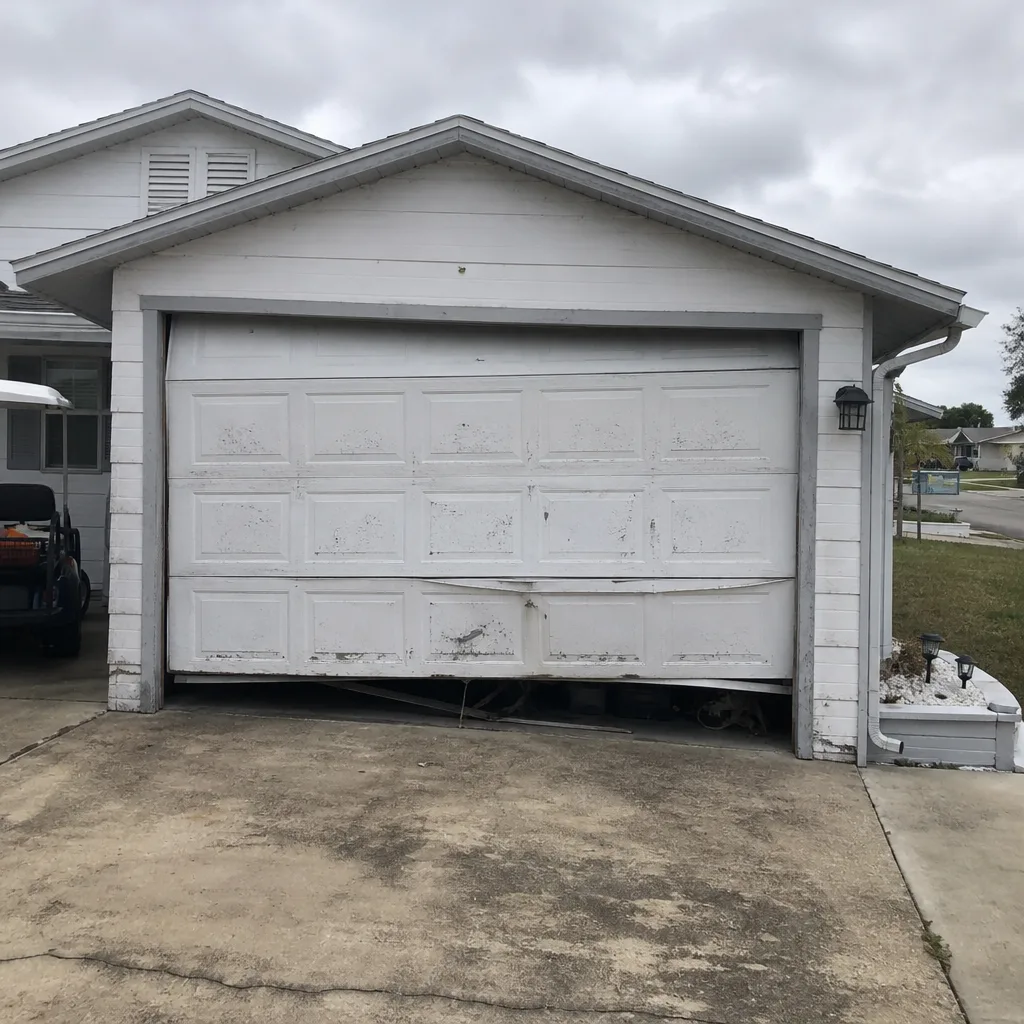 Before
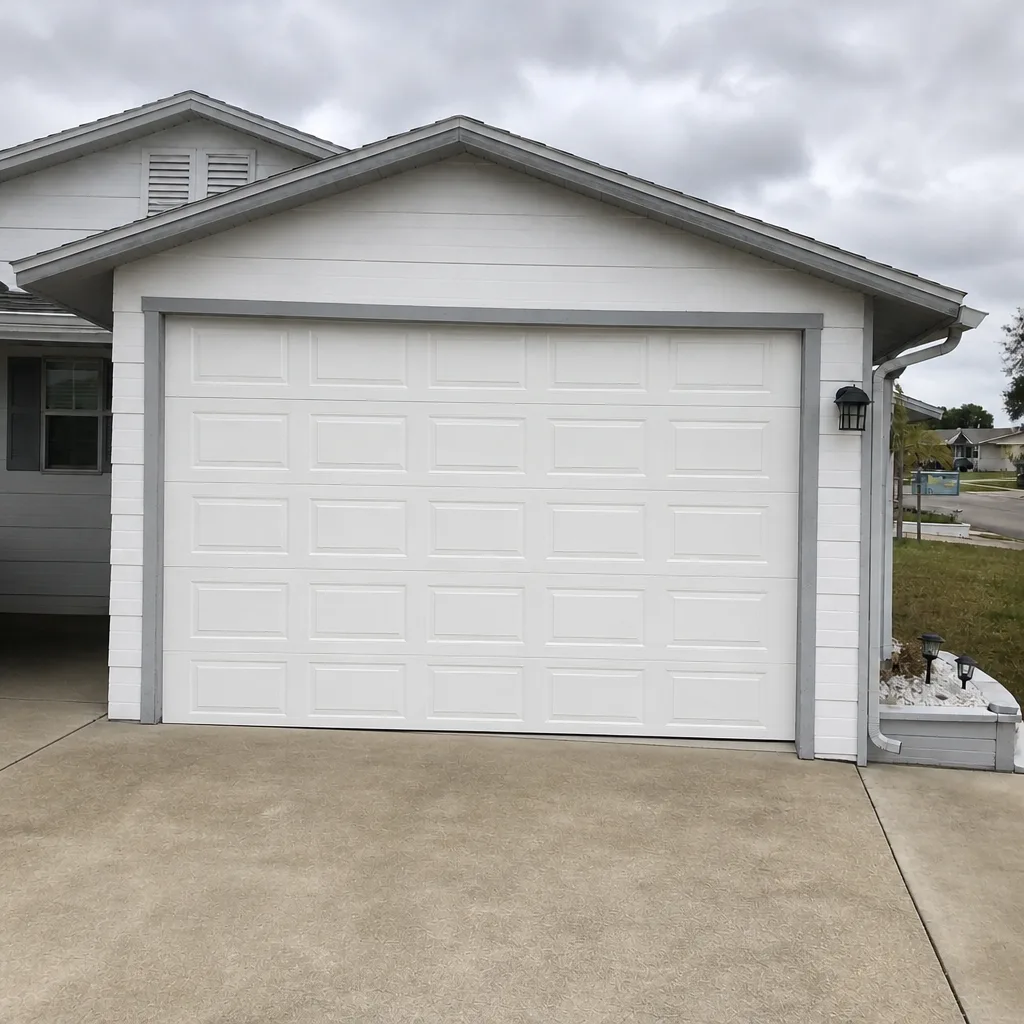 After
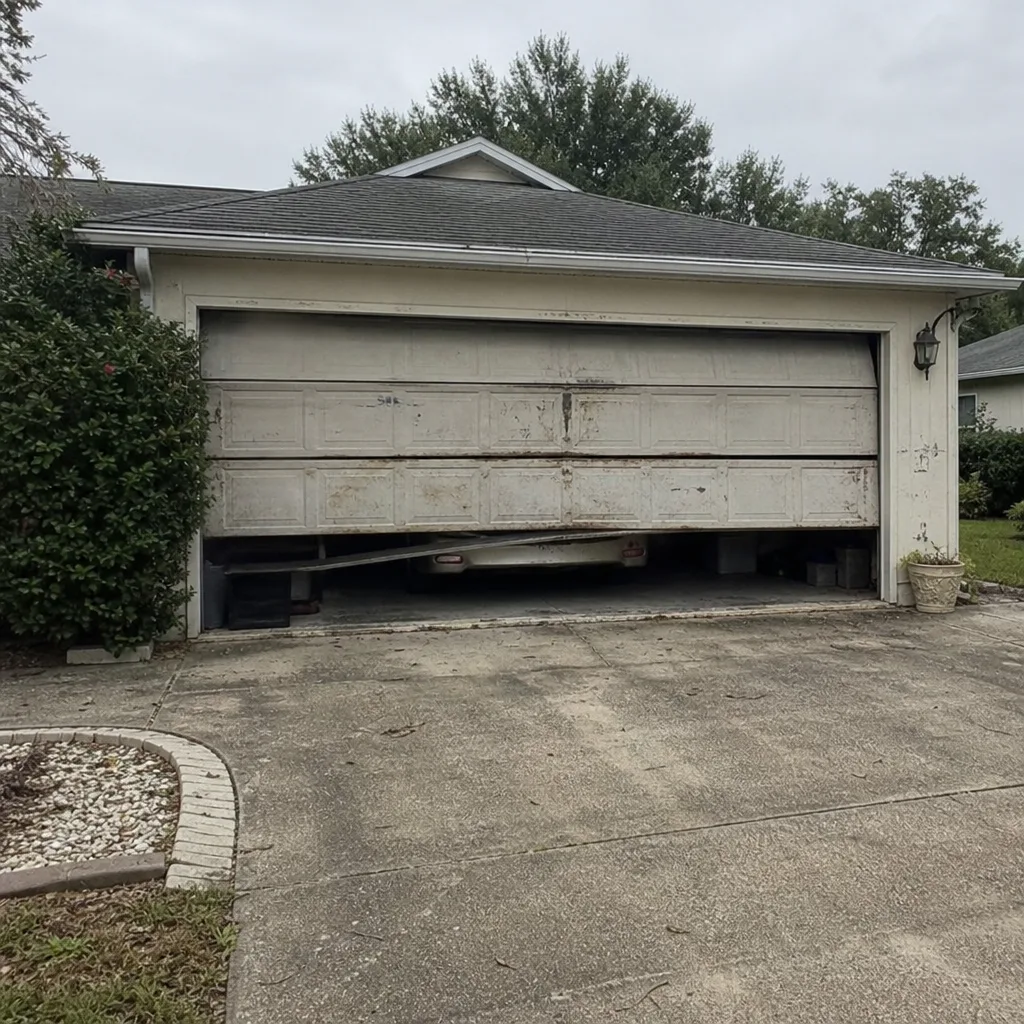 Before
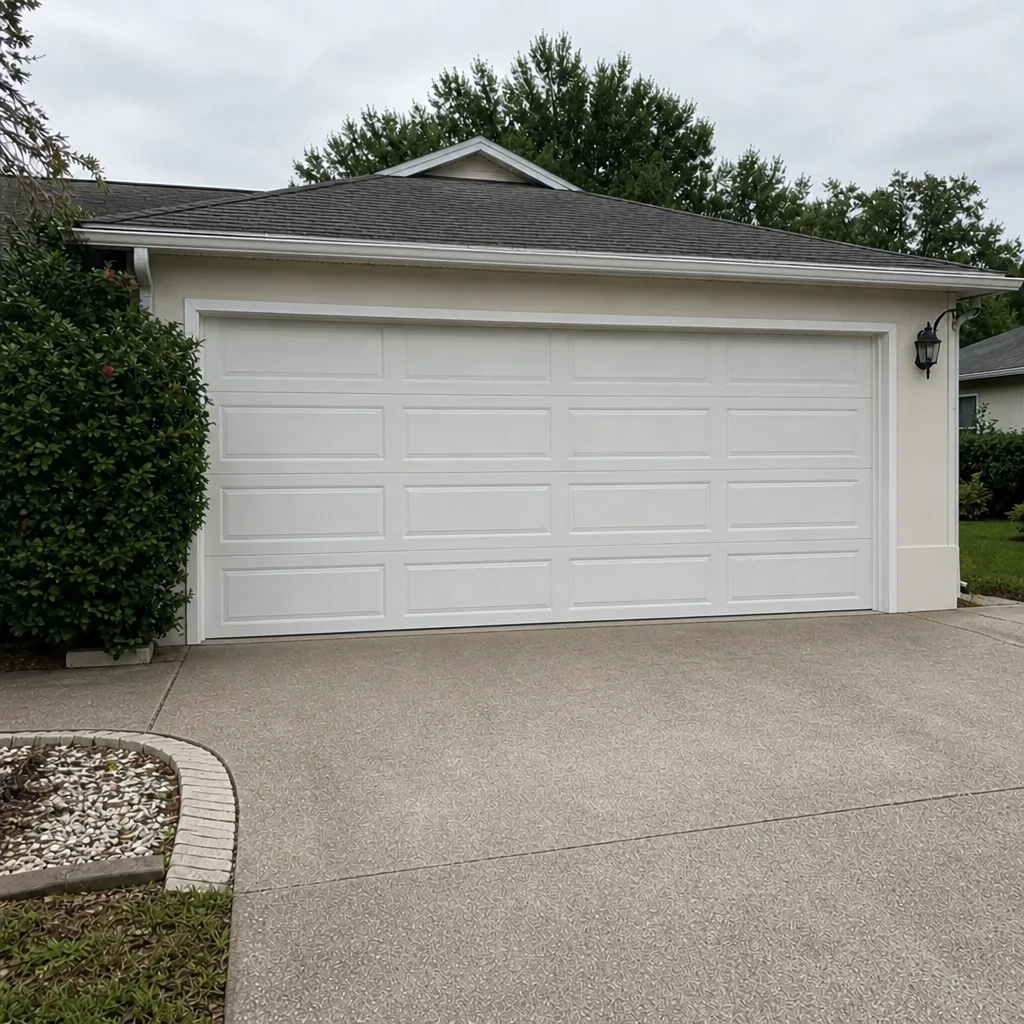 After
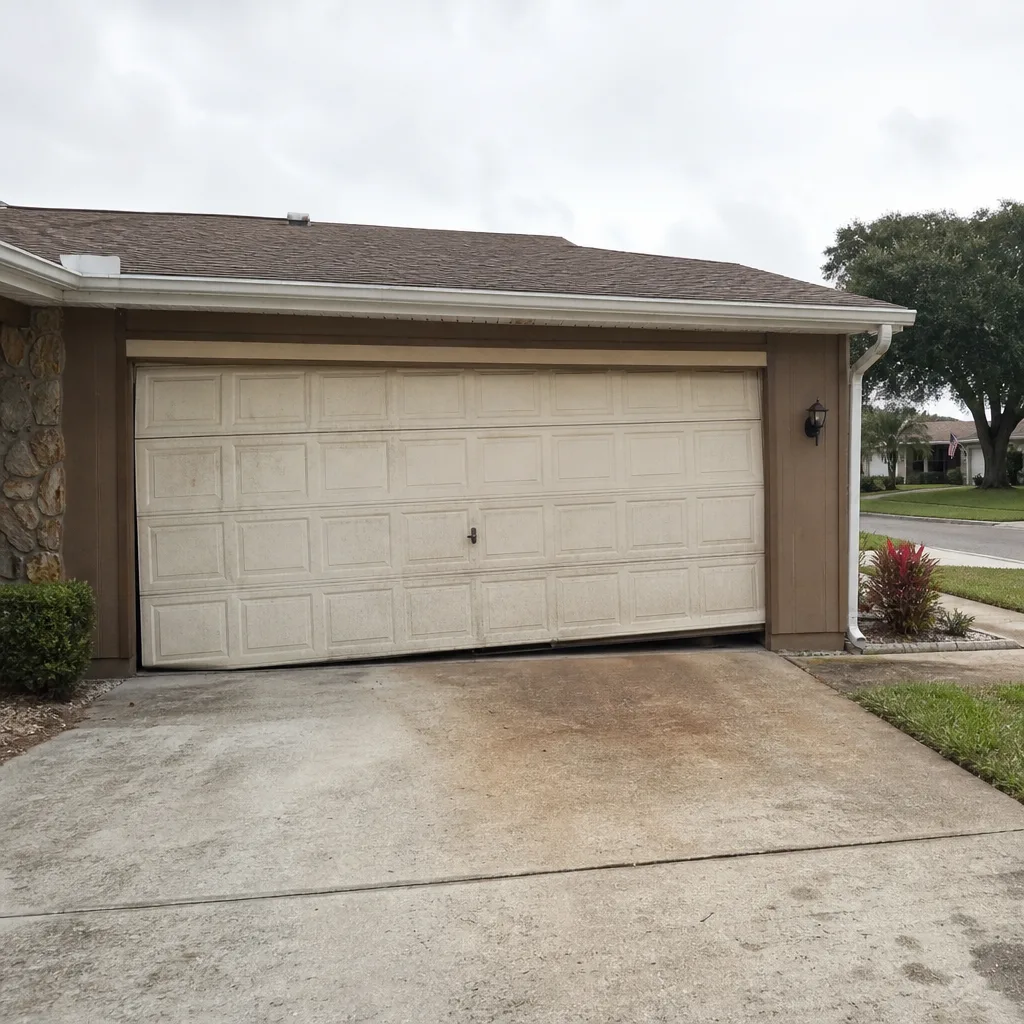 Before
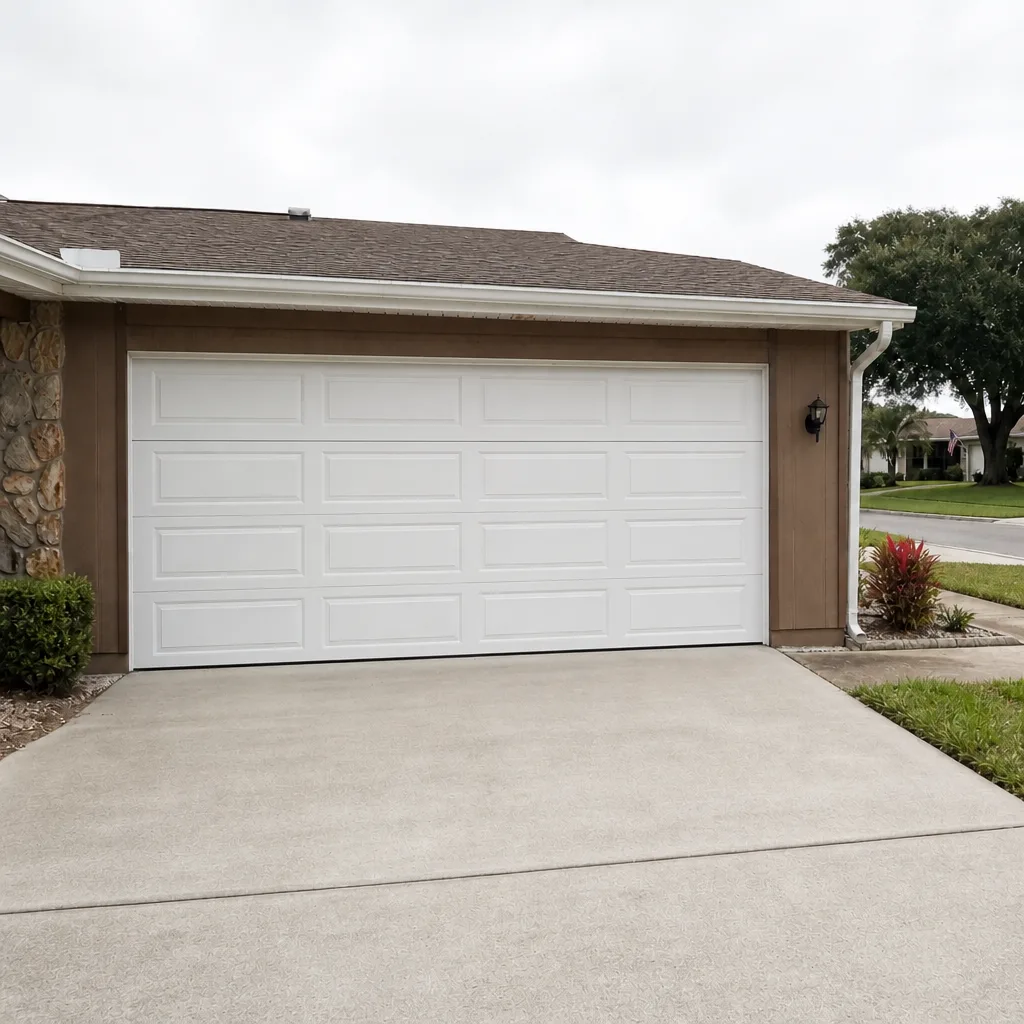 After
When to Call a Professional
Some garage door issues are for a technician, full stop. Springs, torsion systems, and any situation where the door is stuck or is off its track belong on that list. So does any door that won’t close, a door that’s visibly bent, or an opener that’s behaving unpredictably after a storm. If you hear grinding, see a gap in a spring, or find the door sitting crooked, stop using it and call. On the planning side, replace a door when the panels are rusting through, the structure is compromised, or it’s simply not rated for the wind loads your home should handle. The Villages Garage Door Repair Pros offers free estimates in The Villages, and the price is quoted and agreed before any work starts. If your door is stuck or won’t open, we do emergency service. Call (844) 628-1795. We answer 24/7. Fast dispatch from 7am to 7pm, Sunday through Friday.
Frequently Asked Questions
Twice a year at the two peak windows, March and late May, plus a light check through the summer and a post-storm inspection. That’s more useful than a four-season schedule because it matches our actual weather. The March and May passes catch most problems before the wet season tests them.
For many common repairs, yes. Broken springs, failed openers, and doors that won’t open or close are often handled the same day. Call (844) 628-1795. We answer 24/7. Fast dispatch from 7am to 7pm, Sunday through Friday.
No, not silently. The written estimate is the price, and we quote and agree it before any work starts. If we find something during the job that changes the scope, you’ll hear about it before anything is done. Call (844) 628-1795 for a free estimate.
The local professionals we connect you with are licensed and insured as their state requires. We work on garage doors only, and our technicians have up to 13 years of experience on the trade. Call (844) 628-1795 and we’ll set up a free estimate.
Have it assessed by a professional before the season opens. Bracing kits can reinforce a sound door, and replacement is the thorough fix if the door is also aging or damaged. Don’t rely on a bracing kit alone without an assessment. Call (844) 628-1795 for a free estimate.
Do a visual inspection first, and stop if you see a bent track, a crooked door, or a broken spring. If everything looks straight and the door moves normally by hand, test the safety reverse before regular use. If you’re unsure, call; a same-day check is worth it. Call (844) 628-1795.
The Bottom Line
Garage door care in The Villages isn’t about four seasons; it’s about the dry season, the wet season, and hurricane season, each with its own stress on the door. Do the heavy work in March. Do the sealing and checking in late May. Manage condensation through the summer and inspect after any storm. Set the door before you leave for the summer. If your door is stuck, loud, or visibly off, a professional should see it. The Villages Garage Door Repair Pros works on the brands you already have and offers free estimates, with a written price agreed before any work starts. Call (844) 628-1795. We answer 24/7. Fast dispatch from 7am to 7pm, Sunday through Friday.
Written by the team at The Villages Garage Door Repair Pros.